
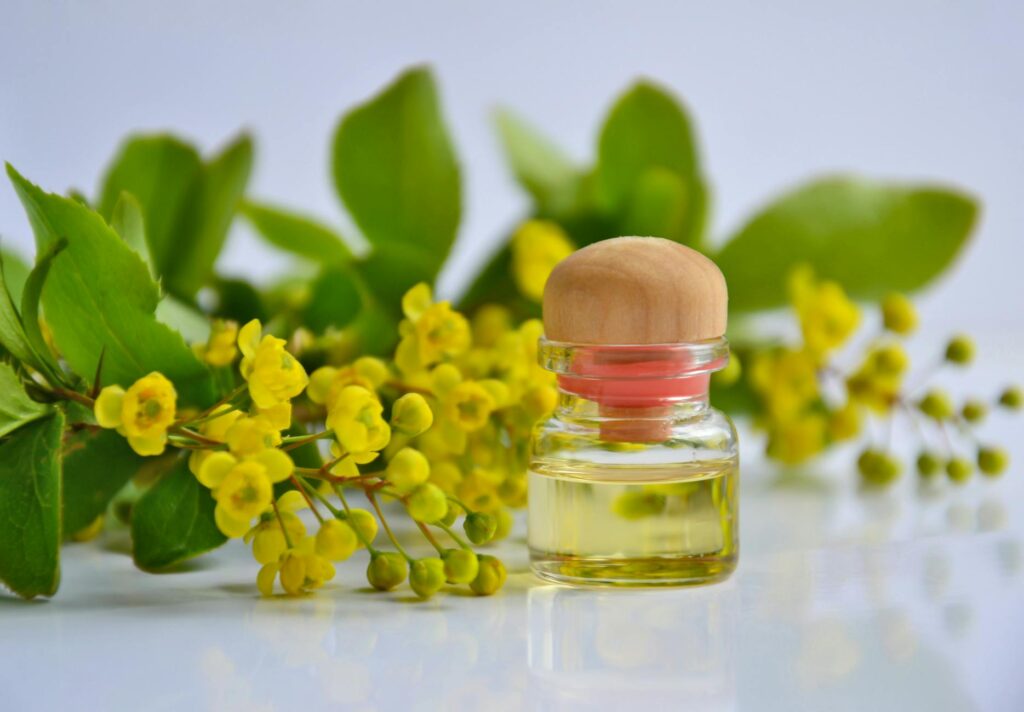
Health Benefits of Herbal Immune Support Essential Oil Blends
Introduction
In recent years, there has been an increasing interest in natural remedies, particularly in the realm of essential oils and aromatherapy. Among the various offerings, herbal immune support essential oil blends have gained prominence for their potential to bolster the body’s natural defenses. These blends harness the therapeutic properties of various essential oils derived from plants known for their beneficial effects on the immune system. This article delves into what these blends are, their key benefits, common uses, and safety considerations, providing a comprehensive overview for those interested in integrating them into their wellness routine.
What Is Herbal Immune Support Essential Oil Blends?
Herbal immune support essential oil blends are combinations of essential oils specifically formulated to enhance the body’s immune response. These blends typically include oils derived from herbs and plants recognized for their antimicrobial, antiviral, and anti-inflammatory properties. Common components may include eucalyptus, tea tree, oregano, lavender, and lemon, among others. Each oil within the blend contributes unique characteristics, creating a synergistic effect that can support overall health.
Essential oils are concentrated extracts obtained from the leaves, flowers, stems, and roots of various plants. They capture the plant’s fragrance and beneficial properties, making them powerful allies in holistic health practices. When blended, these oils can work together to create a more potent remedy than any individual oil.
Key Benefits and Properties
Several key benefits and properties characterize herbal immune support essential oil blends, including:
Antimicrobial Properties
Many essential oils possess natural antimicrobial properties that can help combat pathogens. For instance, tea tree oil is widely recognized for its ability to inhibit the growth of bacteria and fungi, while oregano oil is noted for its antiviral effects. These properties can help protect the body from infections and support overall immune health.
Anti-inflammatory Effects
Chronic inflammation can weaken the immune system, making the body more susceptible to illness. Essential oils like frankincense and lavender have anti-inflammatory properties that may help reduce inflammation, thereby promoting a healthier immune response.
Respiratory Support
Certain essential oils, such as eucalyptus and peppermint, can aid in respiratory function. They help clear the airways and may assist in alleviating symptoms associated with colds and allergies, thereby supporting the immune system indirectly.
Stress Reduction
Stress has been shown to have a detrimental impact on the immune system. Essential oils like chamomile and bergamot are known for their calming effects, which can help reduce stress and promote emotional well-being, indirectly supporting immune function.
Antioxidant Effects
Many herbal essential oils contain antioxidants that help neutralize free radicals in the body. This property can contribute to overall health by reducing oxidative stress and supporting cellular health.
Common Uses
Herbal immune support essential oil blends can be used in various ways, making them versatile additions to a holistic wellness routine. Common applications include:
Diffusion
Using an essential oil diffuser is one of the most popular methods for enjoying the benefits of herbal immune support blends. The oils are dispersed into the air, allowing for easy inhalation. This method is particularly effective for promoting respiratory health and creating a calming atmosphere.
Topical Application
When diluted with a carrier oil, herbal immune support blends can be applied topically. This method can provide localized benefits, such as soothing inflammation or supporting skin health. Popular areas for application include pulse points, the chest, and the soles of the feet.
Bath Additive
Adding a few drops of diluted essential oil blends to a warm bath can create a relaxing and rejuvenating experience. The steam from the bath helps to release the oils, allowing for inhalation and transdermal absorption.
Inhalation
For acute situations, inhalation can be utilized by placing a drop or two of the essential oil blend on a tissue or cotton ball and inhaling deeply. This method can provide immediate relief for respiratory discomfort or stress.
Household Use
Many herbal immune support essential oil blends can also be incorporated into household cleaning products, thanks to their antimicrobial properties. Adding a few drops to homemade cleaners can enhance their effectiveness while providing a pleasant scent.
Aromatherapy Applications
The practice of aromatherapy utilizes essential oils to promote physical and emotional well-being. When it comes to herbal immune support blends, several applications can be considered:
Emotional Support
Certain essential oils in these blends can help alleviate feelings of anxiety or stress, which can be beneficial during times of illness or susceptibility. For example, lavender and bergamot are often included for their calming effects.
Seasonal Wellness
During peak seasons for colds and flu, diffusing herbal immune support blends can create a protective environment. The aroma may not only uplift the spirit but also provide a barrier against airborne pathogens.
Daily Rituals
Incorporating herbal immune support blends into daily rituals, such as morning routines or evening wind-downs, can help reinforce a sense of well-being and resilience.
Safety Considerations
While herbal immune support essential oil blends offer numerous benefits, it is crucial to consider safety precautions:
Dilution
Essential oils are highly concentrated and should be diluted with a carrier oil (such as coconut, jojoba, or olive oil) before topical application. This helps prevent skin irritation or sensitization.
Allergies and Sensitivities
Before using any essential oil blend, individuals should perform a patch test to check for any allergic reactions. If redness, itching, or irritation occurs, discontinue use immediately.
Consultation
Individuals with pre-existing health conditions, pregnant or breastfeeding women, and those taking medications should consult a healthcare professional before using essential oils. This ensures their use is safe and appropriate for their specific circumstances.
Storage
Essential oils should be stored in a cool, dark place away from direct sunlight. Proper storage helps maintain their integrity and potency.
Storage and Shelf Life
The shelf life of essential oils can vary depending on the type and storage conditions. Most essential oils have a shelf life of 1 to 3 years when stored properly. To ensure longevity:
- Keep them in dark glass bottles to protect from light.
- Seal tightly to prevent oxidation.
- Store in a cool, dry place away from heat sources.
Frequently Asked Questions
1. Can herbal immune support essential oil blends replace medication?
No, herbal immune support essential oil blends should not be considered a substitute for medical treatment. They can be used as complementary support but should not replace prescribed medications or therapies.
2. Are essential oils safe for children?
Some essential oils can be safe for children when used appropriately and diluted properly. However, it is essential to consult a healthcare professional before using essential oils with children.
3. How do I choose a quality essential oil blend?
When selecting essential oils, look for products labeled as 100% pure, therapeutic-grade, and sourced from reputable companies. Check for third-party testing and certifications to ensure quality and purity.
4. Can I make my own herbal immune support essential oil blend?
Yes, many individuals enjoy creating their own blends. By researching and combining various essential oils known for their immune-supporting properties, you can tailor a blend to your preferences. Just be sure to follow safe dilution practices.
5. What are some popular essential oils in immune support blends?
Common essential oils used in immune support blends include tea tree, eucalyptus, lavender, oregano, lemon, and frankincense. Each offers unique benefits that contribute to the overall effectiveness of the blend.
Conclusion
Herbal immune support essential oil blends present a natural approach to enhancing wellness and supporting the body’s defenses. By understanding their properties, applications, and safety considerations, individuals can effectively incorporate these aromatic aids into their daily routines. However, it’s essential to approach their use with mindfulness and respect for their potency, ensuring a harmonious addition to a holistic health regimen.