
Health Benefits of Herbal Infused Beverages
Introduction
Herbal infused beverages have gained popularity over the years as an alternative to traditional drinks, offering a unique blend of flavors and health benefits. These beverages combine various herbs, flowers, and other plant materials with water or other liquids to create refreshing and aromatic drinks. Beyond their delightful tastes, herbal infusions are often celebrated for their potential to enhance well-being, making them a fascinating topic for exploration.
What Are Herbal Infused Beverages?
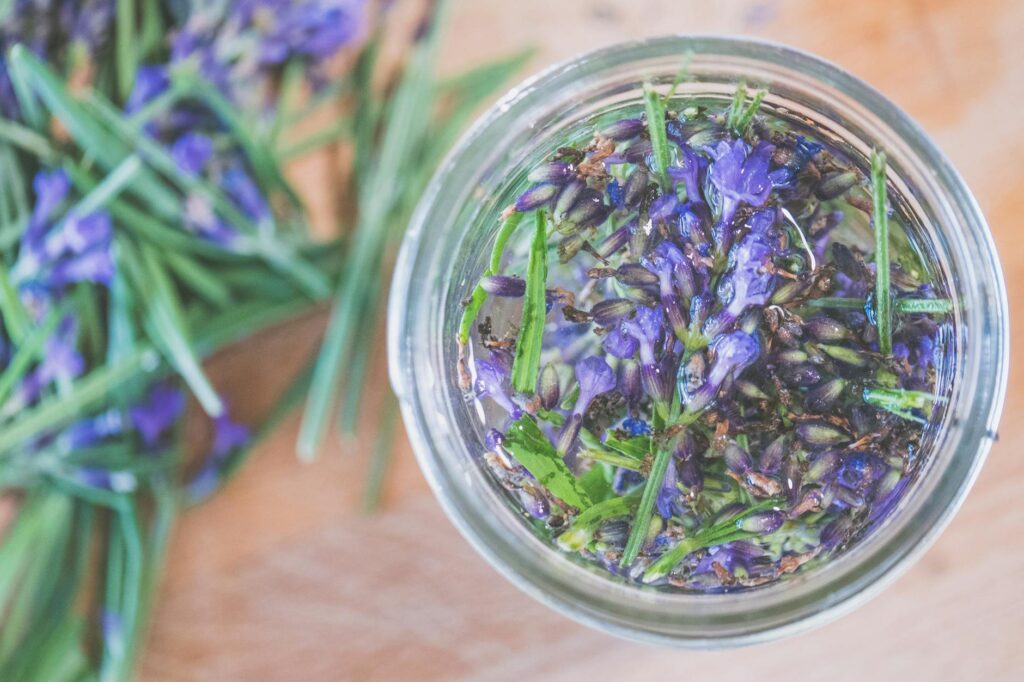
Herbal infused beverages are drinks made by steeping herbs, flowers, or spices in hot or cold water, allowing the flavors and beneficial compounds to be extracted into the liquid. Unlike teas that typically feature the leaves of the Camellia sinensis plant, herbal infusions can include a wide variety of botanicals. Common ingredients range from chamomile and hibiscus to mint, ginger, and lemongrass.
The process of infusion can be both simple and versatile. It can involve hot water steeping, cold brewing, or even blending with fruit juices or sparkling water for added flavor and nutrition. This adaptability makes herbal infusions an excellent option for a range of tastes and dietary preferences.
Key Benefits and Properties
Herbal infused beverages are often touted for their wide array of potential health benefits, largely due to the unique properties of the botanicals used.
1. Hydration
Staying hydrated is crucial for overall health, and herbal infusions provide a flavorful way to increase fluid intake. Many herbal beverages can be consumed hot or cold, making them accessible year-round.
2. Antioxidant Properties
Many herbs and flowers are rich in antioxidants. These compounds help to neutralize free radicals in the body, potentially reducing oxidative stress and promoting cellular health. Ingredients like hibiscus, green tea, and rooibos are known for their high antioxidant content.
3. Digestive Support
Certain herbs, such as ginger, peppermint, and fennel, are traditionally used to support digestive health. Herbal infusions can offer a soothing effect on the stomach and may help alleviate minor digestive discomforts.
4. Relaxation and Stress Relief
Herbal beverages can be calming and soothing, especially those infused with chamomile, lavender, or lemon balm. The aromatic compounds in these plants can promote relaxation and may help to reduce stress levels.
5. Immune System Support
Many herbs are believed to have immune-enhancing properties. Ingredients like elderberry, echinacea, and ginger are often used to bolster the body’s defenses, especially during cold and flu seasons.
6. Nutrient Boost
Herbal infusions can be a source of vitamins and minerals. For instance, nettle tea is rich in iron, while hibiscus is high in vitamin C. This makes herbal beverages not only enjoyable but nutritionally beneficial as well.
Common Uses
Herbal infused beverages can be enjoyed in various contexts, making them a versatile addition to any diet. Some common uses include:
- Daily Hydration: Replacing sugary drinks or soda with herbal infusions can contribute to better hydration and overall health.
- Culinary Pairing: Herbal drinks can complement meals, enhancing flavors and adding a unique twist to dining experiences.
- Wellness Rituals: Many people incorporate herbal infusions into their daily wellness routines, using specific herbs to support their physical and mental health goals.
- Social Settings: Herbal beverages can serve as a delightful alternative for gatherings, offering non-alcoholic options that are both flavorful and appealing.
- Inhalation: The aroma of certain herbs can have a positive effect on mood and emotional well-being. Inhaling the steam from hot herbal infusions can enhance relaxation.
- Essential Oils: Some herbs used in infusions are also available as essential oils. For instance, peppermint and eucalyptus can be used in diffusers, providing similar benefits to their infused counterparts.
- Topical Applications: Herbal infusions can be used in compresses or baths, allowing the therapeutic properties of the herbs to be absorbed through the skin.
Aromatherapy Applications
In addition to their consumption as beverages, many herbs used in infusions are also valued for their aromatic properties. This cross-over into aromatherapy offers additional benefits:
Safety Considerations
While herbal infused beverages can offer numerous benefits, it is essential to approach their consumption with caution:
1. Allergies
Individuals should be aware of potential allergies to specific herbs. It is advisable to start with small amounts to test tolerance.
2. Interactions with Medications
Certain herbs may interact with medications. For instance, St. John’s Wort can affect the efficacy of various pharmaceutical drugs. Consulting with a healthcare provider before incorporating new herbs into a routine is wise.
3. Pregnancy and Nursing
Some herbs are not recommended during pregnancy or while nursing. Pregnant or nursing individuals should consult a healthcare professional before consuming herbal infusions.
4. Dosage
Moderation is key. Consuming excessive amounts of herbal infusions may lead to adverse effects. It is advisable to limit consumption to a few cups per day and vary the herbs used.
Storage and Shelf Life
Proper storage is essential to maintain the flavor and potency of herbal infused beverages:
1. Fresh Infusions
Fresh herbal infusions should ideally be consumed within 24 hours if kept in the refrigerator. After this period, the flavor and beneficial properties may begin to diminish.
2. Dried Herbs
When using dried herbs, store them in a cool, dark place in airtight containers. Properly stored dried herbs can last for several months to a year, depending on the type.
3. Bottled Infusions
Commercially bottled herbal infusions should be stored according to the manufacturer’s instructions, typically in a cool, dark place, and consumed by the expiration date.
Frequently Asked Questions
Q: What is the difference between herbal tea and herbal infusion?
A: While both terms are often used interchangeably, “herbal tea” may refer to any beverage made from herbs, while “herbal infusion” specifically indicates the process of steeping herbs in water.
Q: Can I make herbal infusions with fresh herbs?
A: Yes, fresh herbs can be used to create flavorful infusions. They may require a longer steeping time compared to dried herbs due to their higher water content.
Q: Are there any herbs I should avoid?
A: Certain herbs, such as comfrey and kava, may pose health risks and should be avoided. It is essential to research herbs before use.
Q: How can I enhance the flavor of my herbal infusion?
A: You can enhance the flavor of herbal infusions by adding ingredients such as honey, lemon, ginger, or even fruit slices.
Q: Can I combine different herbs in one infusion?
A: Yes, combining different herbs can create unique flavors and enhance the potential health benefits. However, it’s advisable to research compatibility and effects beforehand.
Conclusion
Herbal infused beverages offer a delightful way to enjoy the flavors and potential health benefits of various botanicals. From enhancing hydration to providing digestive support and promoting relaxation, these infusions can play a valuable role in a balanced lifestyle. As you explore the world of herbal beverages, remember to consider safety, storage, and personal preferences to create enjoyable and healthful experiences.