
Health Benefits of Herbal Infused Lip Balms
Introduction
Lip care is an essential yet often overlooked aspect of personal grooming and wellness. The skin on the lips is thinner and more delicate than that on the rest of the body, making it particularly susceptible to environmental aggressors such as dryness, sun exposure, and pollution. As a result, the popularity of lip balms has surged, particularly those infused with herbal ingredients. Herbal infused lip balms are crafted using a combination of natural oils, waxes, and botanical extracts, offering a range of benefits that go beyond simple moisturization. This article explores the composition, benefits, common uses, and safety considerations of these nourishing balms.
What Are Herbal Infused Lip Balms?
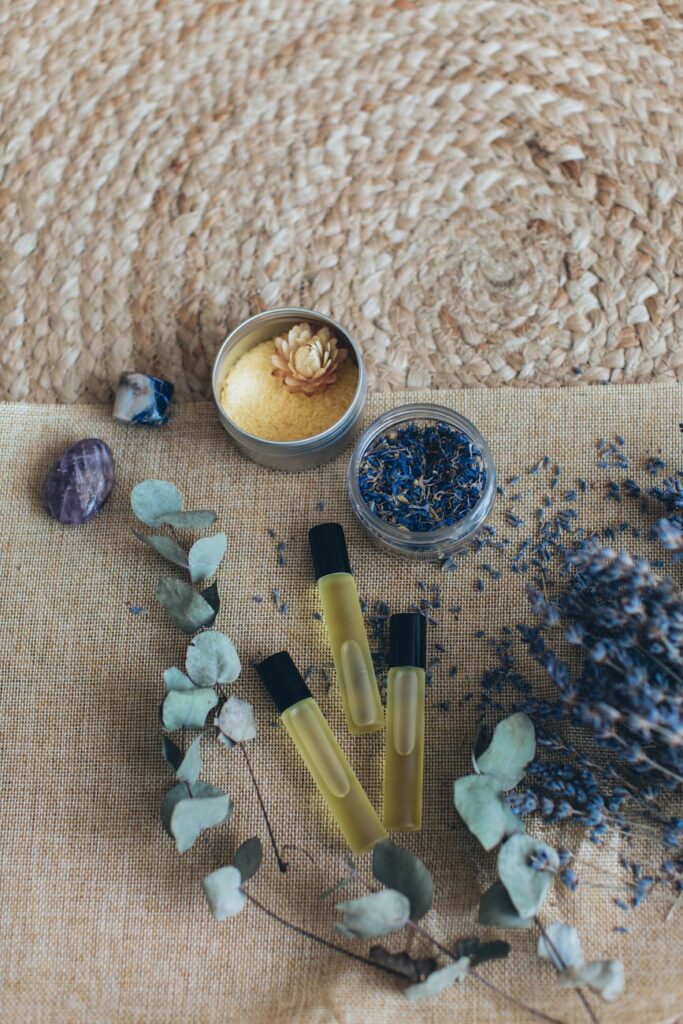
Herbal infused lip balms are topical products designed to hydrate, protect, and soothe the lips. They are typically made from natural ingredients such as beeswax, shea butter, coconut oil, and various herbal extracts. The infusion process involves steeping selected herbs in carrier oils, allowing their beneficial properties to be absorbed and utilized in the final product. Common herbs used in these balms include calendula, chamomile, lavender, and peppermint, each bringing unique qualities to the formulation.
Composition
1. Carrier Oils: These form the base of the balm and are rich in fatty acids and vitamins. Common choices include sweet almond oil, jojoba oil, and coconut oil.
2. Waxes: Beeswax is the most popular choice due to its natural emulsifying properties and ability to create a moisture barrier on the lips.
3. Herbal Infusions: Herbs are selected for their specific properties and are often infused into the carrier oils to extract their beneficial compounds.
4. Essential Oils: These are sometimes added for fragrance or additional therapeutic properties, but they should be used sparingly to avoid irritation.
Key Benefits and Properties
Herbal infused lip balms offer numerous advantages:
1. Moisturization
The primary function of any lip balm is to provide moisture. Ingredients like shea butter and coconut oil are highly emollient, helping to keep lips soft and hydrated.
2. Healing Properties
Certain herbs, such as calendula and chamomile, are known for their healing and anti-inflammatory properties. They can assist in soothing chapped or cracked lips, promoting faster recovery.
3. Antioxidant Protection
Herbs like green tea and rosemary are rich in antioxidants, which help protect the skin from oxidative stress caused by environmental factors. This can be particularly beneficial for those exposed to sun and pollution.
4. Antimicrobial Benefits
Many herbal ingredients possess antimicrobial properties, which can help prevent infections and soothe irritations. For example, tea tree oil is known for its antibacterial and antifungal qualities.
5. Aromatic Experience
The inclusion of essential oils not only enhances the scent of the balm but can also contribute to mood enhancement and relaxation, making the application a pleasurable ritual.
Common Uses
Herbal infused lip balms serve a variety of purposes:
- Daily Moisturizer: Regular application can keep lips hydrated and prevent dryness.
- Protection Against Elements: They can act as a barrier against cold weather, sun, and wind.
- Soothing Remedy: Ideal for use after sun exposure or in dry climates to alleviate discomfort.
- Makeup Base: They can be used under lipsticks to provide hydration and prevent the lipstick from settling into fine lines.
- Flavoring: Many balms are flavored with natural ingredients, making them pleasant to use.
Aromatherapy Applications
The use of herbal infused lip balms can extend into the realm of aromatherapy. Certain essential oils can enhance emotional well-being and promote a sense of calm or invigoration.
1. Mood Enhancement
Floral oils like lavender can help reduce stress and anxiety when inhaled. Applying a lavender-infused lip balm can provide a dual benefit — lip care and aromatherapy.
2. Invigorating Effects
Citrus oils, such as sweet orange or lemon, can uplift the mood and energize. A citrus-infused lip balm can offer a refreshing experience, especially in the morning.
3. Respiratory Support
Some herbal oils, like eucalyptus, may assist in respiratory function when inhaled. While primarily used in topical applications, their aromatic properties can also be beneficial.
Safety Considerations
While herbal infused lip balms are generally safe, there are several precautions to consider:
1. Allergies
Always check for potential allergens in the ingredients, especially if you have sensitivities to certain plants or oils. Conduct a patch test by applying a small amount to an inconspicuous area of skin before using it on the lips.
2. Essential Oil Sensitivity
Essential oils are potent and should be used judiciously. Some individuals may experience irritation or allergic reactions. It is advisable to consult with a knowledgeable practitioner if you are unsure about specific oils or have sensitive skin.
3. Natural Ingredients
While natural ingredients are often safer than synthetic ones, “natural” does not always equate to “safe.” Ensure that the product is free from harmful additives and preservatives.
Storage and Shelf Life
Proper storage is crucial for maintaining the quality of herbal infused lip balms.
1. Cool, Dark Place
Store lip balms in a cool, dark place away from direct sunlight and heat. This helps preserve the potency of herbal infusions and essential oils.
2. Shelf Life
Typically, herbal infused lip balms can last for 6 months to a year, depending on the ingredients used. Check for any changes in texture, scent, or color, as these could indicate spoilage.
Frequently Asked Questions
1. Can I make my own herbal infused lip balm?
Yes, many people choose to make their own lip balms at home. There are numerous recipes available that allow for customization based on personal preferences and available ingredients.
2. Are herbal infused lip balms suitable for all skin types?
Most herbal infused lip balms are suitable for various skin types. However, individuals with very sensitive skin should be cautious and may want to consult with a dermatologist before use.
3. Do herbal infused lip balms expire?
Yes, like all cosmetic products, herbal infused lip balms can expire. It’s essential to check the ingredients and discard any that show signs of spoilage.
4. Can I use herbal infused lip balms on other parts of my body?
While these balms are formulated specifically for the lips, many individuals use them on dry patches of skin elsewhere on the body. However, always check the ingredient list to ensure its suitability for other areas.
5. Can children use herbal infused lip balms?
Most herbal infused lip balms are safe for children, but it is advisable to choose those specifically formulated for kids or consult with a pediatrician if there are concerns about specific ingredients.
Conclusion
Herbal infused lip balms offer a multifaceted approach to lip care, combining the moisturizing properties of natural oils with the therapeutic benefits of herbs. Their ability to soothe, protect, and nourish makes them a valuable addition to any skincare routine. By understanding their composition, benefits, and safe usage, individuals can make informed choices that enhance their overall well-being. Whether purchased or homemade, these balms can be enjoyed as a natural solution for maintaining healthy, hydrated lips.