
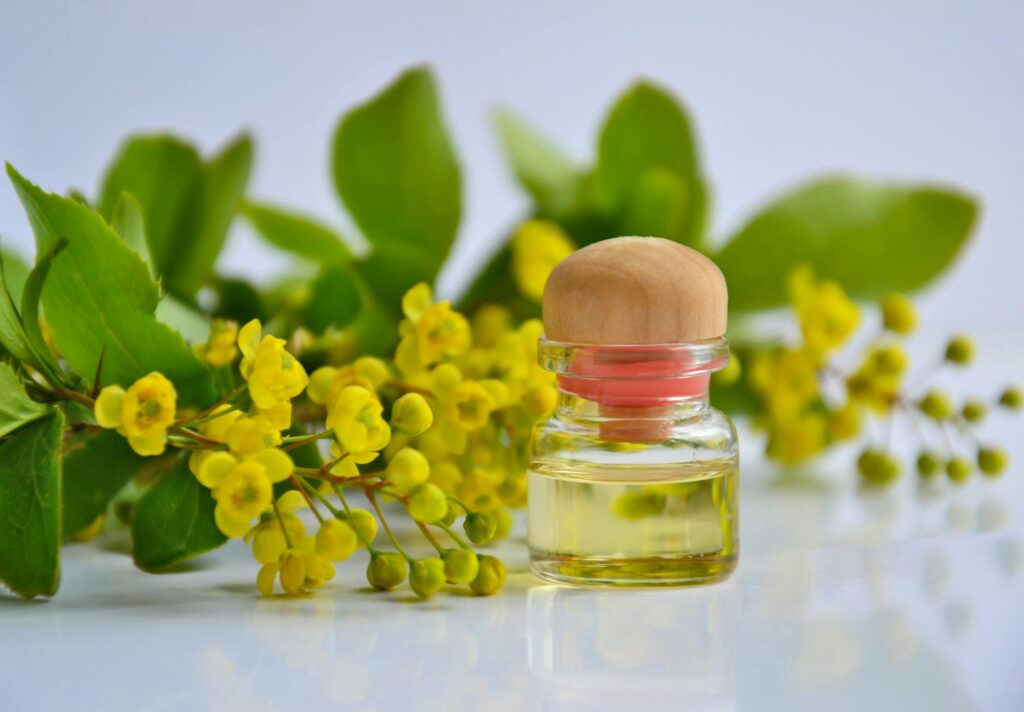
Health Benefits of Herbal Infused Oils for Aromatherapy Blends
Introduction
Aromatherapy has been embraced for centuries as a holistic approach to wellness, utilizing the power of nature to promote physical, emotional, and spiritual well-being. One of the key components in this practice is the use of herbal infused oils. These oils are created by extracting the beneficial properties of herbs into a carrier oil, resulting in a versatile product that can be used in various aromatic applications. This article explores the health benefits, uses, and considerations surrounding herbal infused oils, providing a comprehensive understanding of their role in aromatherapy.
What Are Herbal Infused Oils for Aromatherapy Blends?
Herbal infused oils are created by steeping herbs in a carrier oil, allowing the oil to absorb the active compounds and fragrances of the plant material. Common carrier oils include olive oil, jojoba oil, almond oil, and coconut oil. The infusion process typically involves a gentle heat source or a longer cold infusion method, both designed to extract the oils and essences contained within the herbs.
The resulting herbal infused oil retains the properties of the herbs used, making it a valuable addition to various aromatherapy blends, topical applications, and even culinary uses.
Key Benefits and Properties
Herbal infused oils offer a range of benefits, largely derived from the unique properties of the herbs used in the infusion process. Some of the key benefits include:
1. Therapeutic Properties: Many herbs possess natural therapeutic qualities. For example, lavender is known for its calming effects, while peppermint can invigorate and refresh the senses.
2. Antioxidant Effects: Certain herbs, such as rosemary and sage, are rich in antioxidants, which can help protect the body from oxidative stress and promote overall health.
3. Anti-inflammatory Characteristics: Herbs like calendula and chamomile are recognized for their anti-inflammatory properties, making them beneficial for soothing irritated skin or reducing inflammation.
4. Mood Enhancement: Many herbal infused oils, such as those made from bergamot and ylang-ylang, can help uplift mood and promote emotional well-being through their aromatic qualities.
5. Skin Nourishment: Herbal infused oils can provide nourishment to the skin, thanks to the vitamins and fatty acids present in both the carrier oil and the herbs.
Common Uses
The versatility of herbal infused oils allows for a variety of applications, including:
1. Massage Oils: Herbal infused oils can be used in massage therapy to enhance relaxation and relieve muscle tension. Combining these oils with essential oils in a blend can amplify their effects.
2. Skincare: These oils can be applied directly to the skin to moisturize, soothe, and promote healing. They are often incorporated into lotions, balms, and creams.
3. Bath Oils: Adding herbal infused oils to bathwater can create a relaxing and aromatic experience, helping to relieve stress and promote a sense of calm.
4. Culinary Uses: Some herbal infused oils are safe for culinary applications, adding flavor and health benefits to dishes.
5. Household Uses: Herbal infused oils can be incorporated into homemade cleaning products or used to freshen the air, enhancing the ambiance of living spaces.
Aromatherapy Applications
In aromatherapy, herbal infused oils can be blended with essential oils or used on their own to create unique aromatic experiences. Here are some common applications:
1. Diffusion: Adding herbal infused oils to a diffuser can disperse their aromatic properties throughout a room, creating a calming or uplifting atmosphere.
2. Personal Inhalers: Herbal infused oils can be used in personal inhalers, providing on-the-go aromatherapy benefits.
3. Topical Applications: When diluted appropriately, herbal infused oils can be applied to pulse points or areas of concern to harness their therapeutic properties.
4. Meditation and Mindfulness: Incorporating herbal infused oils into meditation practices can enhance relaxation and focus, promoting a deeper connection to the practice.
Safety Considerations
While herbal infused oils are generally considered safe for use, some precautions should be taken:
1. Patch Testing: Before applying a new herbal infused oil to the skin, it is advisable to perform a patch test to check for any allergic reactions or sensitivities.
2. Dilution: When using herbal infused oils for topical applications, they should be diluted appropriately, especially for sensitive skin. A common recommendation is to use a 2-5% dilution in carrier oils.
3. Pregnancy and Health Conditions: Certain herbs may not be safe for use during pregnancy or for individuals with specific health conditions. It is essential to research the herbs used in the infusion and consult with a healthcare professional if there are concerns.
4. Quality of Ingredients: Ensure that the herbs and carrier oils used in the infusion are of high quality and sourced from reputable suppliers to avoid contamination or adverse effects.
Storage and Shelf Life
Proper storage of herbal infused oils is crucial to maintaining their efficacy and preventing spoilage. Here are some guidelines:
1. Storage Containers: Use dark glass bottles to protect the oil from light exposure, which can degrade its quality. Label the bottles with the date of infusion and the type of herb used.
2. Cool, Dark Place: Store herbal infused oils in a cool, dark place to extend their shelf life. Avoid storing them in areas with fluctuating temperatures, such as near ovens or windows.
3. Shelf Life: The shelf life of herbal infused oils can vary depending on the carrier oil used and the herbs infused. Generally, they can last from six months to one year. However, it’s essential to monitor for any changes in color, smell, or texture that may indicate spoilage.
Frequently Asked Questions
1. How do I make herbal infused oils at home?
To make herbal infused oils, choose your desired herbs and carrier oil. Chop the herbs and place them in a clean glass jar. Cover the herbs with the carrier oil, ensuring they are fully submerged. Seal the jar and place it in a warm, sunny spot for 2-6 weeks, shaking it gently every few days. After the infusion period, strain the oil through a fine mesh strainer or cheesecloth and store it in a dark glass bottle.
2. Can I use any herbs for infusion?
While many herbs can be infused, it is essential to research their properties and safety. Some herbs may cause skin irritation or have contraindications, especially for pregnant individuals or those with specific health conditions.
3. Can herbal infused oils be used in cooking?
Yes, many herbal infused oils can be used in culinary applications. However, ensure that the herbs used are safe for consumption, and check for any potential allergens.
4. How do I choose the right carrier oil for infusion?
The choice of carrier oil depends on your intended use for the herbal infused oil. For skincare applications, oils like jojoba or almond are popular, while olive oil is often chosen for culinary uses. Consider the scent, texture, and properties of the carrier oil when making your selection.
5. Are herbal infused oils the same as essential oils?
No, herbal infused oils and essential oils are different. Essential oils are concentrated extracts obtained through distillation or cold pressing, while herbal infused oils are made by steeping herbs in carrier oils. Essential oils are typically more potent and should be used with caution, while herbal infused oils are generally milder.
Conclusion
Herbal infused oils represent a harmonious blend of nature’s bounty and the art of aromatherapy. Their therapeutic properties, versatile applications, and potential benefits make them an invaluable resource for those seeking to enhance their well-being through natural means. By understanding their benefits, uses, and safety considerations, individuals can effectively incorporate herbal infused oils into their daily routines, embracing the power of nature to promote health and tranquility.