
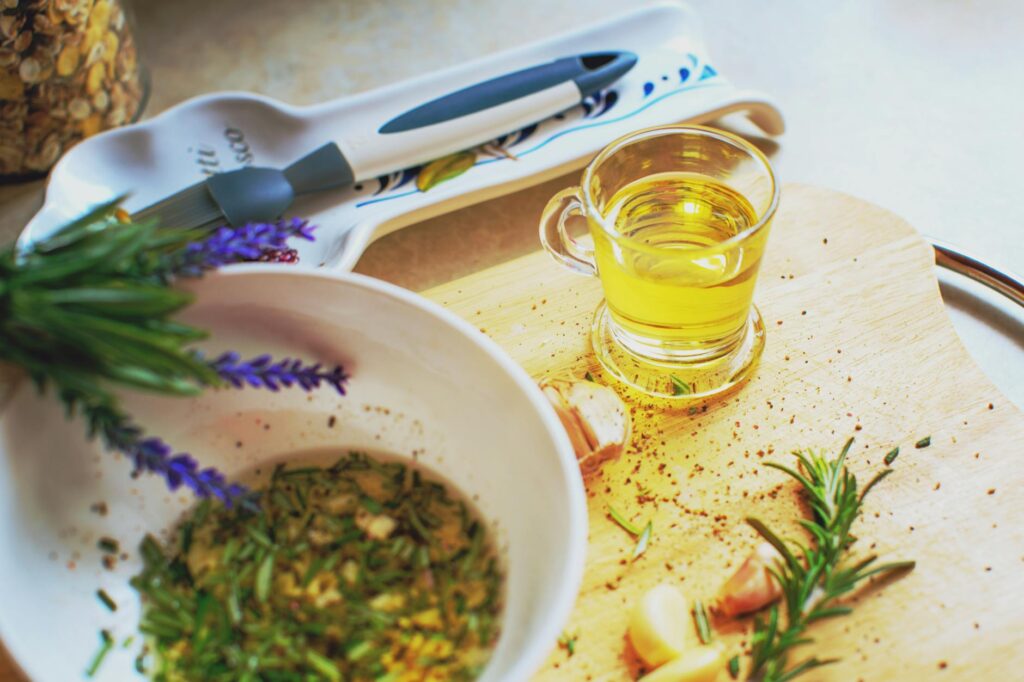
Health Benefits of Herbal Infused Oils for Cooking with Culinary Herbs
Introduction
Herbal infused oils have gained popularity for their culinary versatility and potential health benefits. These oils are crafted by infusing carrier oils with various culinary herbs, capturing their flavors, aromas, and beneficial properties. This article explores the nature and uses of herbal infused oils, providing insights into their benefits, applications in cooking, and considerations for safe use.
What Is Herbal Infused Oils for Cooking with Culinary Herbs?
Herbal infused oils are created through the process of steeping culinary herbs in a carrier oil, such as olive, grapeseed, or sunflower oil. The infusion process allows the oil to absorb the essential oils, flavors, and nutrients of the herbs, resulting in a product that enhances the sensory experience of food while offering potential health-related properties.
The infusion can be done using either a cold or hot method. The cold method involves simply placing the herbs in oil and allowing them to steep over time, while the hot method accelerates the infusion process using gentle heat. Common culinary herbs used for infusion include basil, rosemary, thyme, and oregano, each imparting unique flavors and characteristics to the oil.
Key Benefits and Properties
Flavor Enhancement
One of the primary reasons for using herbal infused oils is their ability to enhance the flavor of dishes. They can transform simple salads, marinades, and sauces into gourmet creations. The rich flavors of herbs such as garlic, chili, and rosemary can add depth and complexity to various culinary applications.
Nutritional Value
Herbal infused oils can also carry some nutritional benefits of the herbs used in their preparation. For instance, olive oil is rich in monounsaturated fats, which are considered heart-healthy. When infused with herbs like oregano or thyme, the oil may also contain antioxidants, which contribute to overall wellness.
Antimicrobial Properties
Many culinary herbs are known for their antimicrobial properties. For example, garlic and rosemary have been studied for their ability to inhibit the growth of certain bacteria and fungi. While the infusion process may not retain all these properties, it is believed that some level of antimicrobial activity can be imparted to the oil.
Antioxidant Benefits
Herbs such as oregano and basil are high in antioxidants, compounds that help combat oxidative stress in the body. When these herbs are infused into oils, they may contribute antioxidant properties, which are thought to play a role in overall health and wellness.
Common Uses
Culinary Applications
Herbal infused oils can be used in a variety of culinary ways:
- Salad Dressings: They serve as a flavorful base for vinaigrettes and dressings, offering a gourmet touch to salads.
- Marinades: Infused oils can enhance the flavor of meats, fish, and vegetables when used as a marinade.
- Finishing Oils: Drizzling herbal infused oil over cooked dishes, such as pasta or grilled vegetables, can elevate the overall flavor profile.
- Dipping Oils: They can be served as dipping oils for breads, adding a fragrant and flavorful experience.
- Quality of Ingredients: Use high-quality, organic herbs and carrier oils to ensure a safe and beneficial product.
- Proper Infusion Techniques: Ensure that the infusion process is done correctly to minimize the risk of spoilage or contamination. The hot infusion method should not exceed temperatures that could degrade the oil or the herbs.
- Allergies and Sensitivities: Be aware of any allergies or sensitivities to specific herbs. Conduct a patch test if using the oil on the skin to confirm there are no adverse reactions.
- Storage Conditions: Proper storage is crucial to prevent rancidity or spoilage. Store infused oils in a cool, dark place and use dark glass bottles to protect them from light.
- Cool and Dark Location: Keep the oils away from heat and sunlight to prolong their shelf life.
- Refrigeration: For longer storage, consider refrigerating the oils, especially those infused with fresh herbs.
- Monitoring for Spoilage: Always check for signs of spoilage, such as off smells or changes in texture, before use. Discard any oils that show these signs.
Homemade Beauty Products
Beyond culinary uses, herbal infused oils can also be utilized in homemade beauty products. They can serve as moisturizing agents in lotions, creams, and hair oils, leveraging the benefits of the infused herbs for skin and hair health.
Aromatherapy Applications
While the primary focus of herbal infused oils is culinary, they can also find a place in aromatherapy. The aromatic compounds released when using these oils can create a soothing and invigorating atmosphere. For example, rosemary infused oil can stimulate the senses and enhance concentration, making it a popular choice for use in home diffusers or massage oils.
While not a substitute for essential oils, herbal infused oils can provide a more subtle scent, making them suitable for those who prefer milder aromas. Incorporating these oils into a warm bath or using them in a massage can enhance relaxation and well-being.
Safety Considerations
When creating or using herbal infused oils, it is essential to keep several safety considerations in mind:
Storage and Shelf Life
The shelf life of herbal infused oils can vary based on the type of carrier oil used and the herbs infused. Generally, infused oils can last anywhere from a few weeks to a year when stored properly.
Storage Tips:
Frequently Asked Questions
How do I make herbal infused oils at home?
To create herbal infused oils, select your desired herbs and carrier oil. If using the cold method, combine the herbs and oil in a glass jar, seal it tightly, and let it steep in a warm, dark place for at least two weeks, shaking it occasionally. For the hot method, gently heat the herbs and oil in a double boiler for a few hours, ensuring it does not boil. Strain the herbs out and store the oil in a dark glass bottle.
Can I use dried herbs for infusion?
Yes, dried herbs can be used for infusion and may actually yield more concentrated flavors compared to fresh herbs. Dried herbs tend to have more potent essential oils, making them a great choice for herbal infused oils.
Are there any herbs that should not be used for infusion?
While many culinary herbs are safe to use, avoid using herbs that are known to be toxic or those that may cause allergic reactions. Always research herbs before use and consult reputable sources to ensure safety.
Can I use herbal infused oils for frying?
It is not recommended to use herbal infused oils for frying due to the potential for degradation of the oil and the loss of the infused flavors. Instead, use them for drizzling, dressing, or finishing dishes.
How do I know if my infused oil has gone bad?
Signs of spoilage in infused oils include rancid smells, cloudy appearance, or unusual sediment. If you notice any of these changes, it is best to discard the oil.
Conclusion
Herbal infused oils offer a delightful way to incorporate the flavors and benefits of culinary herbs into everyday cooking. From enhancing flavors to providing potential health benefits, these oils are versatile in their applications. With proper preparation and storage, they can be a valuable addition to any kitchen, enhancing both culinary creations and personal wellness. Explore the world of herbal infused oils and discover the unique flavors and aromas they can bring to your meals.