
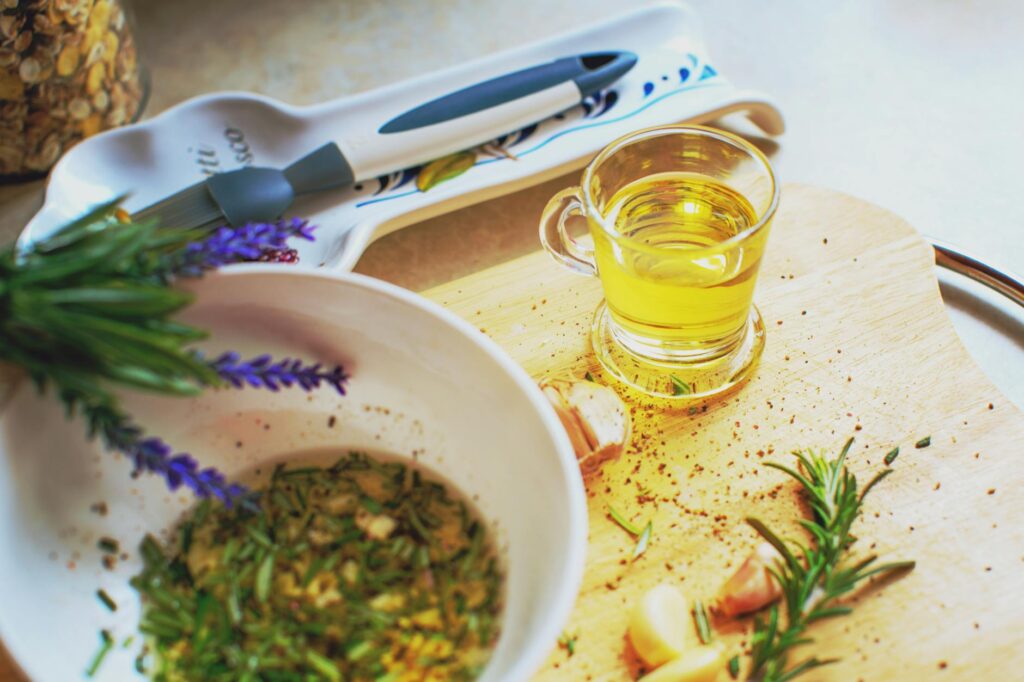
Health Benefits of Herbal Infused Oils for Cooking
Introduction
Herbal infused oils have gained popularity in culinary practices, offering both flavor enhancement and potential health benefits. These oils are created by steeping herbs in a carrier oil, allowing the flavors and beneficial properties of the herbs to infuse into the oil. This article delves into the nature of herbal infused oils, their benefits, common uses, and safety considerations, providing a comprehensive overview for those interested in incorporating these aromatic oils into their cooking.
What Are Herbal Infused Oils for Cooking?
Herbal infused oils are oils that have been infused with the essence of various herbs, either through a cold infusion method or a gentle heat infusion process. The term “herbal” encompasses a wide variety of plants, including leaves, flowers, stems, and roots. Common carrier oils used for infusion include olive oil, sunflower oil, and grapeseed oil, each offering its unique flavor and nutritional profile.
Methods of Infusion
1. Cold Infusion: This method involves placing fresh or dried herbs in a jar and covering them with oil, allowing the mixture to sit in a cool, dark place for several weeks. The infusion is then strained, leaving behind a flavorful oil.
2. Heat Infusion: In this method, herbs are gently heated with oil over low heat for a few hours. This process accelerates the infusion, extracting flavors and properties more quickly. The oil is then strained to remove the herbs.
Both methods can yield richly flavored oils, suitable for various culinary applications.
Key Benefits and Properties
Herbal infused oils not only enhance the taste of dishes but may also offer various benefits due to the properties of the herbs used in the infusion. While these benefits can vary depending on the herbs chosen, some general advantages include:
Flavor Enhancement
Herbal infused oils provide a robust flavor profile that can elevate simple dishes. For instance, an oil infused with garlic can impart a savory depth to dressings and marinades.
Nutritional Value
Many herbs used in infusions are known for their nutritional properties. Herbs such as basil, rosemary, and thyme contain antioxidants, vitamins, and minerals, contributing to a more healthful diet.
Antioxidant Properties
Certain herbs are rich in antioxidants, which can help combat oxidative stress in the body. Ingredients like oregano and sage are known for their high levels of antioxidants, making infused oils a flavorful way to incorporate these beneficial compounds.
Anti-Inflammatory Effects
Some herbs, such as turmeric and ginger, are recognized for their anti-inflammatory properties. Infusing these herbs into cooking oils may allow for a subtle incorporation of these beneficial effects into meals.
Common Uses
Herbal infused oils are versatile and can be used in a variety of culinary applications:
Salad Dressings
Infused oils can serve as a base for homemade salad dressings, adding flavor without the need for additional spices. A simple combination of infused oil, vinegar, salt, and pepper can create a delightful dressing.
Marinades
Using herbal infused oils as a marinade can infuse meats, fish, and vegetables with flavor before cooking. The oil can help to tenderize proteins while imparting the aroma of the herbs.
Cooking Oil
Infused oils can be used for sautéing, roasting, or grilling. They provide a flavorful alternative to regular cooking oils, enhancing the overall taste of the dish.
Drizzling and Finishing
Infused oils can be drizzled over finished dishes, such as pasta, grilled vegetables, or soups, to add a finishing touch of flavor and aroma.
Aromatherapy Applications
Beyond culinary uses, herbal infused oils also have applications in aromatherapy. The aromatic compounds released from the oils can have a calming or uplifting effect when used in diffusers or during massages.
Mood Enhancement
The scents of certain herbs, such as lavender and lemon balm, are known for their ability to promote relaxation and reduce stress. Using infused oils in aromatherapy can create a calming atmosphere, beneficial for mindfulness practices.
Skin Benefits
Some herbal infused oils may offer skin benefits when used in topical applications. Oils infused with calendula or chamomile, for example, are often utilized for their soothing properties.
Safety Considerations
While herbal infused oils can be a delightful addition to culinary practices, it is important to keep safety in mind:
Quality of Herbs and Oils
Always use high-quality, food-grade oils and fresh herbs for infusions. Avoid using herbs that are wilted or spoiled, as they can affect the quality of the oil.
Allergies and Sensitivities
Individuals should be aware of potential allergies or sensitivities to specific herbs. Conducting a patch test or consulting with a knowledgeable source can help identify any adverse reactions.
Proper Infusion Techniques
Ensuring that the infusion process is done correctly is crucial to prevent spoilage. Always use clean, sanitized containers and avoid contamination during the infusion process.
Storage and Shelf Life
Proper storage of herbal infused oils is vital to maintain their flavor and quality:
Storage Conditions
Store infused oils in a cool, dark place, away from direct sunlight and heat sources. Glass bottles or jars with tight lids are ideal for minimizing exposure to air.
Shelf Life
The shelf life of herbal infused oils can vary depending on the herbs used and the method of infusion. Generally, infused oils can last anywhere from a few months to a year. However, it’s always best to check for signs of spoilage, such as off odors or cloudiness.
Frequently Asked Questions
Can I use any herb for infusion?
While many herbs can be used, it is advisable to select culinary herbs that are known for their flavor and safety in food applications. Some herbs may not lend themselves well to culinary use or may have strong flavors that could overpower dishes.
How can I tell if my infused oil has gone bad?
Signs of spoilage include an off or rancid smell, cloudiness, or the presence of mold. If any of these signs are present, it is best to discard the oil.
Is it safe to use infused oils for frying?
While herbal infused oils can be used for frying, it’s important to consider the smoke point of the carrier oil used. Oils with lower smoke points may degrade at high temperatures, affecting flavor and safety.
Can I reuse the herbs after infusion?
Once herbs have been infused, they typically lose their flavor and aromatic properties. It is generally not recommended to reuse the herbs for a second infusion.
How do I make a simple herbal infused oil at home?
To make a basic herbal infused oil, select fresh or dried herbs, cover them with your chosen carrier oil in a clean jar, and let them steep in a cool, dark place for two to six weeks. Strain the mixture through a fine-mesh sieve or cheesecloth, and store the infused oil in a dark glass container.
Conclusion
Herbal infused oils offer an exciting way to enhance culinary experiences while potentially providing various health benefits. Their versatility allows for a multitude of uses, from salad dressings to marinades, and even aromatherapy applications. With proper preparation and storage, these oils can be a flavorful and healthful addition to your kitchen. As always, ensure safety and quality by using fresh ingredients and following best practices for infusion and storage.