
Health Benefits of Herbal Infused Oils for Pet Care
Introduction
In the world of holistic pet care, herbal infused oils are gaining attention for their potential benefits in enhancing the well-being of our furry companions. These oils, derived from a variety of plants, can be infused with herbs that offer unique properties, from soothing skin irritations to promoting relaxation. This article delves into the nature of herbal infused oils, their benefits, common uses, and safety considerations, providing pet owners with a comprehensive understanding of how these natural remedies can be integrated into pet care routines.
What Is Herbal Infused Oils for Pet Care?
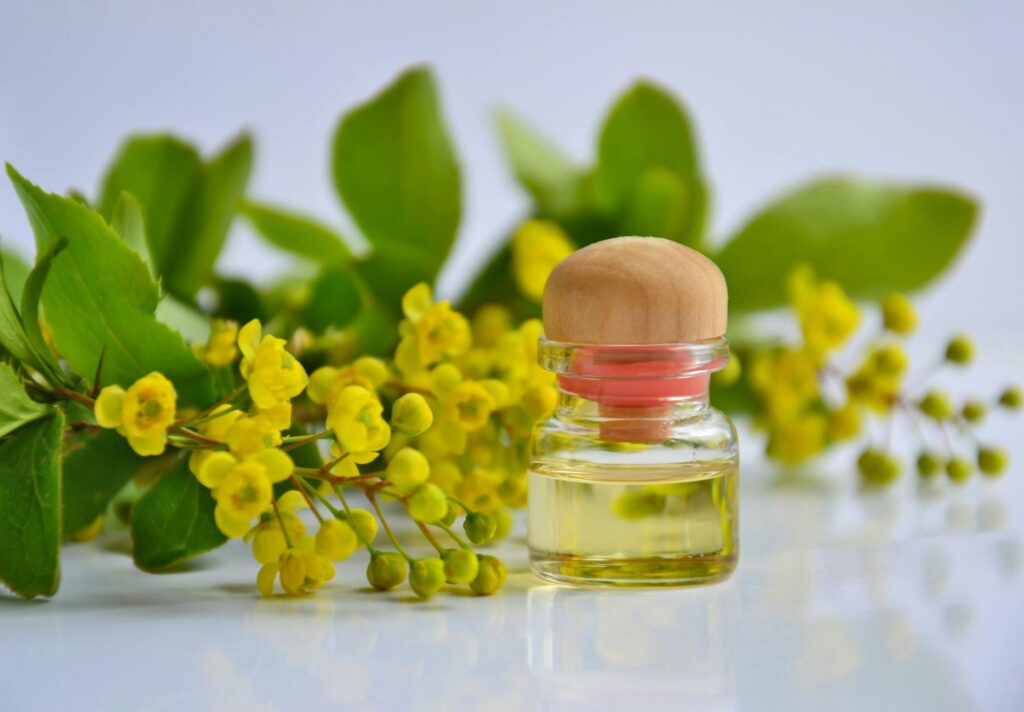
Herbal infused oils are created by steeping herbs in a carrier oil, such as olive oil, coconut oil, or almond oil. The process allows the beneficial compounds of the herbs to be extracted and blended with the oil, resulting in a product that retains the therapeutic properties of the plants used. Common herbs for infusion include calendula, chamomile, lavender, and rosemary, each bringing its own unique properties to the blend.
The infusion process can be done through various methods, including cold infusion, where herbs are steeped in oil for several weeks, and heat infusion, which speeds up the extraction process. The resulting herbal infused oils can be used in various ways to support the health and well-being of pets.
Key Benefits and Properties
Herbal infused oils possess a range of properties that can benefit pets in multiple ways. Here are some key benefits:
1. Skin Health
Many herbal infused oils have anti-inflammatory, antimicrobial, and soothing properties, making them valuable for treating skin issues. For instance, calendula infused oil is celebrated for its ability to promote healing in cuts and abrasions, while chamomile oil may help calm irritated skin.
2. Anxiety Relief
Aromas from certain herbs, such as lavender and chamomile, have been known to have calming effects. These oils can help alleviate anxiety in pets during stressful situations, such as thunderstorms or trips to the veterinarian.
3. Digestive Support
Some herbal infused oils, like peppermint or ginger, may assist with digestive issues in pets. While more research is needed, these oils can potentially promote comfort and ease in cases of mild digestive discomfort.
4. Immune System Support
Certain herbs, such as echinacea, are known for their immune-boosting properties. Although research on pets is limited, herbal infused oils may help bolster a pet’s immune system when used appropriately.
5. Flea and Tick Prevention
Herbal infused oils like rosemary and neem are often utilized as natural repellents against fleas and ticks. Their strong scents can deter these pests, offering a chemical-free alternative to traditional treatments.
Common Uses
Herbal infused oils can be utilized in various ways to enhance pet care:
1. Topical Applications
These oils can be applied directly to the skin for localized treatment of irritations, wounds, or dry patches. It is essential to dilute the infused oil with a carrier oil, especially for sensitive areas.
2. Massage Oil
Massage can be a beneficial practice for pets, and incorporating herbal infused oils can enhance the experience. Oils with calming properties can promote relaxation and bonding between pet and owner.
3. Aromatherapy Diffusion
Using a diffuser, pet owners can disperse the aromatic properties of herbal infused oils into the environment. This method can create a calming atmosphere in the home, helping to reduce anxiety and stress.
4. Bath Additives
Adding herbal infused oils to a pet’s bath can provide both cleansing and soothing benefits. This practice can help to alleviate skin conditions and promote relaxation simultaneously.
5. Homemade Pet Treats
Some pet owners choose to incorporate herbal infused oils into homemade pet treats. This can be a fun way to include the benefits of herbs in a pet’s diet; however, it is crucial to ensure that all ingredients are safe for pet consumption.
Aromatherapy Applications
Aromatherapy is a holistic healing practice that utilizes the therapeutic properties of essential oils and herbal infused oils. For pets, aromatherapy may provide several benefits:
1. Stress Relief
Aromatherapy can be particularly beneficial in calming anxious pets. Oils such as lavender and chamomile are often used to help pets relax during stressful situations.
2. Improved Mood
The uplifting scents of certain herbal infused oils can positively affect a pet’s mood. Citrus-infused oils, for example, are known for their invigorating properties and may help boost energy levels.
3. Enhanced Bonding
Using aromatherapy during pet massages or relaxation time can strengthen the bond between pet and owner. The shared experience of soothing scents and gentle touch can enhance trust and comfort.
Safety Considerations
While herbal infused oils can provide numerous benefits, it is crucial to approach their use with caution. Here are some important safety considerations:
1. Consultation with a Veterinarian
Before introducing any new herbal infused oil into a pet’s routine, it is advisable to consult a veterinarian. They can provide guidance on appropriate oils, dosages, and potential interactions with existing medications.
2. Individual Reactions
Pets can have individual sensitivities to certain herbs and oils. It is essential to conduct a patch test on a small area of skin before widespread application to check for any adverse reactions.
3. Dilution
Herbal infused oils should be diluted with a carrier oil before topical application. This is especially important for pets with sensitive skin or underlying health conditions.
4. Toxicity
Not all herbs are safe for pets. Some common herbs, such as garlic and certain essential oils, can be toxic to animals. It is crucial to research the safety of each herb used in an infusion.
5. Avoid Ingestion
While some infused oils may be safe for topical application, ingestion can pose risks. It is essential to keep herbal infused oils out of reach of pets to prevent accidental consumption.
Storage and Shelf Life
Proper storage of herbal infused oils is vital to maintain their potency and effectiveness. Here are some tips for storage:
1. Dark Glass Containers
Store herbal infused oils in dark glass bottles to protect them from light exposure, which can degrade the oil over time.
2. Cool, Dark Place
Keep the oils in a cool, dark location, such as a pantry or cupboard, away from heat sources.
3. Shelf Life
Herbal infused oils generally have a shelf life of 6 to 12 months, depending on the carrier oil used and the herbs infused. Regularly check for any signs of spoilage, such as off smells or changes in consistency.
Frequently Asked Questions
1. Can I use essential oils instead of herbal infused oils for my pet?
Essential oils are highly concentrated extracts and can be potent for pets. While some essential oils may be safe for use, many require dilution and careful consideration. It is often safer to use herbal infused oils, as they tend to be milder.
2. How do I know which herbs are safe for my pet?
Research is key. Many resources are available online and in books that detail safe herbs for pets. Consulting a veterinarian is also a wise step when considering herbal treatments.
3. Can I use herbal infused oils on all types of pets?
While many herbal infused oils can be beneficial for dogs and cats, their use on smaller pets, like rodents or birds, may require additional caution. Always research specific needs and sensitivities of different species.
4. How can I incorporate herbal infused oils into my pet’s care routine?
Start by introducing herbal infused oils gradually, whether through topical application, massage, or aromatherapy. Monitor your pet’s response and adjust usage as needed to find the best fit for them.
Conclusion
Herbal infused oils offer a natural and holistic approach to pet care, with a variety of potential benefits ranging from skin health to stress relief. Understanding the properties, uses, and safety considerations of these oils can empower pet owners to make informed decisions about their companions’ well-being. By integrating herbal infused oils into a pet care routine, owners can promote a healthier, happier life for their beloved animals.