
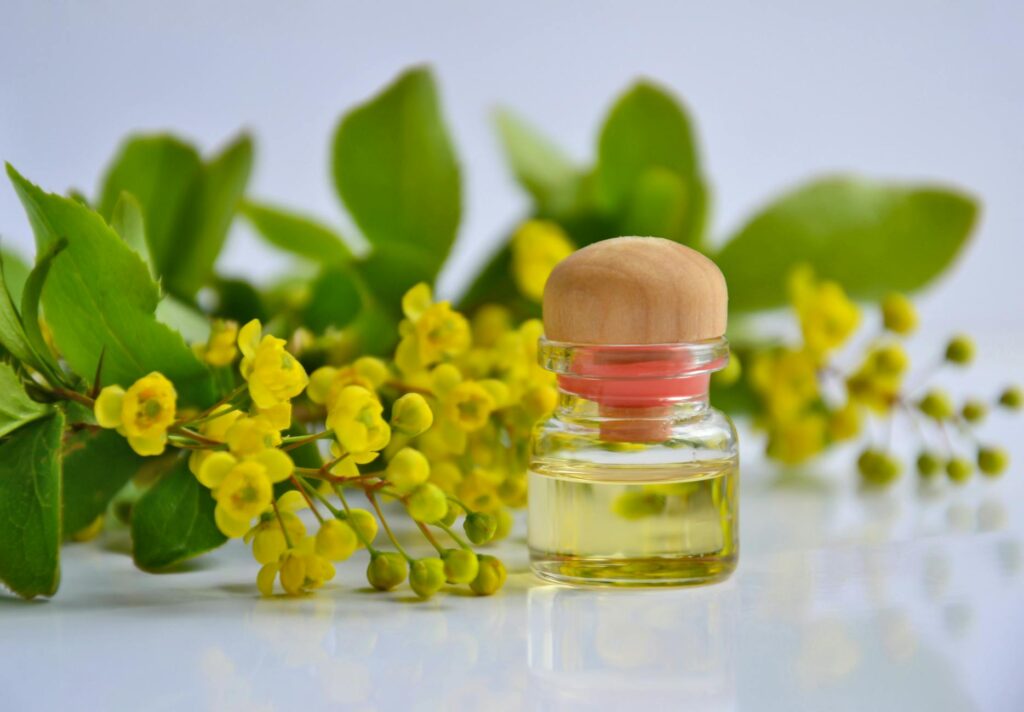
Health Benefits of Herbal Infused Ointments
Introduction
Herbal infused ointments have been used for centuries across various cultures for their therapeutic properties. Derived from natural plants and herbs, these ointments are known for their ability to soothe and heal the skin, making them a popular choice in both traditional and modern herbal medicine. This article explores what herbal infused ointments are, their key benefits, common uses, and safety considerations, providing a comprehensive overview of their role in holistic health.
What Is Herbal Infused Ointments?
Herbal infused ointments are topical preparations made by infusing herbs into a carrier oil, which is then combined with a thickening agent, typically beeswax or a similar substance. The infusion process extracts the beneficial properties of the herbs, allowing them to be absorbed through the skin when applied. These ointments can be formulated with a variety of herbs depending on the desired therapeutic effects.
The process generally involves:
1. Selecting Herbs: Choosing herbs known for their healing properties, such as calendula, lavender, or chamomile.
2. Infusion: Steeping the herbs in a carrier oil like olive oil, coconut oil, or jojoba oil for a specific period, often weeks, to allow the beneficial compounds to permeate the oil.
3. Straining: Filtering out the solid plant material to leave a fragrant and potent herbal oil.
4. Combining with Beeswax: Mixing the infused oil with beeswax to create a stable ointment suitable for topical application.
Key Benefits and Properties
Herbal infused ointments offer a plethora of benefits, largely attributed to the properties of the herbs used in their formulation. Some of the key benefits include:
1. Soothing and Nourishing Skin
Many herbs possess emollient properties, which help to hydrate and soften the skin. Ingredients like calendula and chamomile are renowned for their ability to calm irritated skin, making herbal ointments particularly beneficial for conditions like eczema or dry skin.
2. Anti-Inflammatory Effects
Numerous herbs, including arnica and turmeric, are recognized for their anti-inflammatory properties. These can help alleviate discomfort associated with muscle strains, bruises, and minor injuries.
3. Antimicrobial Properties
Certain herbs, such as tea tree and oregano, exhibit antimicrobial characteristics, which can help in preventing infections in minor cuts and scrapes.
4. Promoting Healing
Herbal infused ointments can support the body’s natural healing processes. Herbs like comfrey are often used for their reputed ability to promote tissue regeneration and reduce the appearance of scars.
5. Aromatherapeutic Qualities
The essential oils released from the herbs during the infusion can have uplifting and calming effects, contributing to emotional well-being when applied to the skin.
Common Uses
Herbal infused ointments are versatile and can be used for various purposes, including:
1. Skin Care
These ointments can be used to treat dry skin, rashes, and minor irritations. Formulations featuring calendula and lavender are popular for soothing sensitive skin.
2. Muscle Relief
Ointments infused with arnica or ginger can be particularly effective for easing muscle soreness and tension after physical activity.
3. Wound Care
Herbal ointments can aid in the healing of minor cuts and scrapes. The antimicrobial and healing properties of herbs like comfrey and tea tree oil make them ideal for this purpose.
4. Chronic Conditions
Conditions such as eczema or psoriasis may benefit from regular application of herbal infused ointments, as they can help manage symptoms and improve skin health.
5. Aromatherapy
When used in conjunction with other aromatherapy practices, herbal infused ointments can provide both physical and emotional benefits, enhancing relaxation and reducing stress.
Aromatherapy Applications
Incorporating herbal infused ointments into aromatherapy practices can enhance their efficacy. The scents released from the herbs can promote emotional well-being, while the topical application supports physical healing.
1. Stress Relief
Herbs like lavender and chamomile, known for their calming properties, can be particularly effective in reducing stress and promoting relaxation when used in ointment form.
2. Mood Enhancement
Citrus-infused ointments, such as those with sweet orange or lemon balm, can uplift mood and provide a sense of invigorating energy.
3. Sleep Aid
Using herbal ointments with sedative properties before bedtime can support restful sleep. Lavender and valerian root are popular choices for encouraging relaxation.
4. Holistic Wellness
Combining the topical application of herbal ointments with inhalation techniques (like diffusing essential oils) can enhance the overall therapeutic experience, addressing both physical and emotional health.
Safety Considerations
While herbal infused ointments are generally considered safe for topical use, there are important considerations to keep in mind:
1. Allergies
Always perform a patch test before applying a new herbal ointment to ensure there are no allergic reactions. Apply a small amount to a discreet area of skin and wait 24 hours to monitor for any adverse reactions.
2. Quality of Ingredients
Ensure that the herbs and oils used are of high quality and free from contaminants. Organic or wildcrafted herbs are preferable.
3. Pregnancy and Nursing
Certain herbs are contraindicated during pregnancy or while nursing. It is essential to consult with a knowledgeable herbalist or healthcare provider before using any herbal preparations during these periods.
4. Children
Be mindful when using herbal ointments on children, as their skin can be more sensitive. Use formulations specifically designed for children if available.
5. Existing Conditions
If you have any underlying skin conditions or are taking medications, it is advisable to consult a healthcare professional before using herbal infused ointments.
Storage and Shelf Life
Proper storage is crucial to maintaining the efficacy and safety of herbal infused ointments. Consider the following tips:
1. Cool, Dark Place
Store ointments in a cool, dark place to prevent degradation from heat and light exposure.
2. Air-tight Containers
Use air-tight containers to minimize exposure to moisture and air, which can lead to spoilage.
3. Shelf Life
Generally, herbal infused ointments have a shelf life of 6 months to 1 year, depending on the ingredients and storage conditions. Always check for any changes in smell, texture, or color before use.
Frequently Asked Questions
1. Can I make my own herbal infused ointments at home?
Yes, making herbal infused ointments at home is possible with the right ingredients and techniques. Numerous recipes are available that guide you on how to infuse herbs properly.
2. Are herbal infused ointments suitable for all skin types?
While many herbal infused ointments are gentle and suitable for various skin types, some individuals may have sensitivities to specific herbs. A patch test is recommended.
3. How often should I apply herbal infused ointments?
The frequency of application can vary based on the intended use and the specific formulation. Generally, applying a small amount to the affected area 1-3 times daily is common.
4. Can I use herbal infused ointments on broken skin?
It is advisable to avoid applying herbal ointments to deep or heavily infected wounds. However, they can be beneficial for minor cuts and scrapes, provided there is no significant open wound.
5. What are the main differences between herbal infused ointments and essential oils?
While both herbal infused ointments and essential oils derive from plants, ointments are thicker, topical preparations that deliver herbal properties through a carrier oil, whereas essential oils are highly concentrated extracts best used in a diluted form or in diffusers.
Conclusion
Herbal infused ointments represent a harmonious blend of nature and healing, offering a myriad of benefits for skin health and overall well-being. By understanding their properties, uses, and how to safely incorporate them into your health routine, individuals can tap into the restorative powers of herbs. Whether for soothing skin irritations, providing muscle relief, or enhancing emotional wellness, these ointments serve as a valuable tool in holistic health practices.