
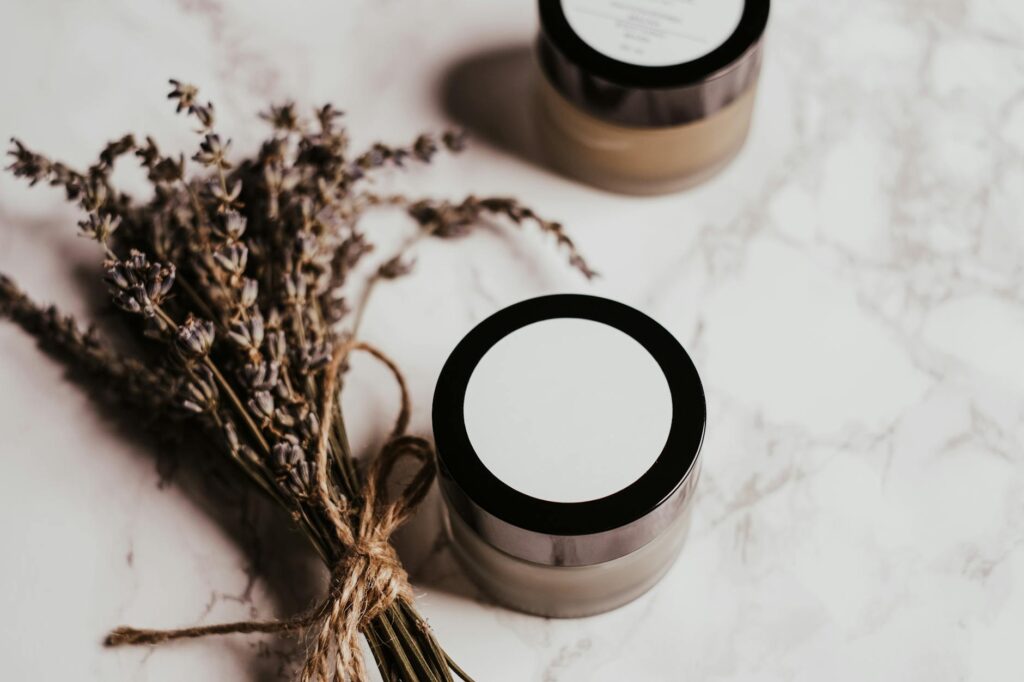
Health Benefits of Herbal Infused Salves for Skin Conditions
Introduction
Herbal infused salves have been utilized for centuries across various cultures for their therapeutic properties. These topical preparations blend plant-based oils with herbs, yielding a natural remedy known for its potential to address various skin conditions. With the growing interest in holistic health and natural remedies, understanding the benefits, uses, and safety of herbal salves becomes increasingly important for those seeking alternative options for skin care.
What Is Herbal Infused Salves for Skin Conditions?
Herbal infused salves are typically made by infusing the medicinal properties of herbs into a carrier oil, which is then combined with beeswax or another thickening agent to create a stable, semi-solid product. The infusion process allows the beneficial compounds of the herbs to permeate the oil, capturing their therapeutic properties. Popular carrier oils include olive oil, coconut oil, and jojoba oil, while common herbs used for infusion include calendula, chamomile, lavender, and comfrey.
The Infusion Process
The infusion can be performed using various methods, including:
1. Cold Infusion: Herbs are steeped in oil over several weeks, allowing the oil to absorb the herbs’ properties without heat.
2. Warm Infusion: The herbs and oil are gently heated for a few hours, accelerating the extraction of beneficial compounds.
Once infused, the oil is strained, mixed with beeswax, and poured into containers to solidify. The result is a topical salve that can be applied directly to the skin.
Key Benefits and Properties
Herbal infused salves are celebrated for their diverse array of benefits, which are largely attributed to the specific herbs used in their formulation. Some of the key properties include:
Anti-Inflammatory
Many herbs, such as calendula and chamomile, are known for their anti-inflammatory effects. These properties can help soothe irritated skin and reduce redness associated with conditions like eczema and dermatitis.
Antimicrobial
Certain herbs possess antimicrobial properties that may aid in preventing infections and promoting healing. For instance, lavender and tea tree oil are often used for their ability to combat bacteria and fungi.
Moisturizing
The carrier oils used in salves provide hydration to the skin, helping to maintain its moisture barrier. Ingredients like coconut oil and shea butter are renowned for their emollient properties.
Skin Regeneration
Some herbs, such as comfrey, contain allantoin, which is believed to promote cell regeneration and aid in wound healing. This makes herbal salves beneficial for minor cuts, scrapes, and burns.
Pain Relief
Herbs like arnica and St. John’s Wort are traditionally used for their analgesic properties, providing relief from minor aches and pains when applied topically.
Common Uses
Herbal infused salves can be employed for a variety of skin conditions, including:
- Dry Skin: Salves can help replenish moisture and alleviate dryness, particularly during harsh weather conditions.
- Eczema and Psoriasis: The anti-inflammatory and soothing properties of certain herbs can provide relief for individuals suffering from these chronic skin conditions.
- Minor Wounds and Burns: The regenerative qualities of herbs like comfrey and calendula can aid in the healing of minor cuts and burns.
- Insect Bites and Rashes: Herbal salves can help soothe itching and irritation from insect bites or allergic reactions.
- Chapped Lips: Salves can serve as an effective remedy for dry, cracked lips, providing moisture and protection.
- Lavender: Known for its calming properties, lavender essential oil can help alleviate stress and promote relaxation while providing anti-inflammatory benefits.
- Tea Tree: Renowned for its antimicrobial properties, tea tree oil can support the healing of acne-prone skin and minor infections.
- Peppermint: The cooling effect of peppermint can soothe irritated skin and provide a refreshing sensation.
- Frankincense: Often associated with skin rejuvenation, frankincense oil may help improve the appearance of scars and uneven skin tone.
- Cool, Dark Place: Store salves in a cool, dark environment away from direct sunlight and heat sources.
- Glass Containers: Using glass jars or tins can help prevent the salve from reacting with plastic, which can compromise its quality.
- Shelf Life: While salves can last several months to a year, their shelf life may vary depending on the ingredients used. Regularly check for changes in texture, smell, or color, which may indicate spoilage.
Aromatherapy Applications
Incorporating aromatherapy into herbal infused salves enhances their therapeutic benefits. The scent of essential oils can have a profound impact on emotional well-being, complementing the physical benefits of the salve.
Combining Aromatherapy with Herbal Salves
When creating herbal salves, essential oils can be added to enhance their efficacy. Some popular essential oils for skin conditions include:
When adding essential oils to a salve, it’s important to use them in moderation, as they are highly concentrated.
Safety Considerations
While herbal infused salves are often considered safe, a few precautions should be taken into account:
Skin Sensitivity
Before applying a new salve to a large area of skin, it is advisable to conduct a patch test. Apply a small amount to a discreet area and monitor for any adverse reactions, such as redness or irritation.
Allergies
Individuals with known allergies to specific herbs or essential oils should avoid using salves containing those ingredients. Always read labels carefully and consult with knowledgeable sources regarding ingredient safety.
Pregnancy and Nursing
Certain herbs and essential oils may not be suitable for pregnant or nursing women. Consulting with a healthcare professional for guidance is recommended.
Children
When using herbal salves on children, especially infants, it’s essential to choose mild ingredients and consult with a pediatrician regarding appropriate use.
Storage and Shelf Life
To maintain the efficacy of herbal infused salves, proper storage is crucial. Here are some tips:
Frequently Asked Questions
1. Can herbal infused salves replace conventional treatments?
While herbal salves can offer benefits for various skin conditions, they should not be considered a substitute for professional medical treatments. Individuals with severe or persistent skin issues should consult a healthcare professional for appropriate care.
2. Are there any side effects associated with herbal salves?
Generally, herbal salves are well-tolerated. However, individuals may experience allergic reactions or skin sensitivities to specific ingredients. Conducting a patch test is recommended to minimize the risk of adverse reactions.
3. How do I choose the right herbal salve for my skin condition?
Selecting the right salve depends on the specific skin condition being addressed. Researching the ingredients and their properties can help you identify the most suitable option for your needs.
4. Can I make my own herbal infused salve at home?
Yes, making herbal infused salves at home is a rewarding process. By selecting the right herbs and following proper infusion methods, you can create a personalized salve tailored to your preferences and skin needs.
5. Are there any contraindications for using herbal infused salves?
Certain herbs may interact with medications or may not be suitable for individuals with specific health conditions. Consulting with a healthcare professional is advisable, especially if you have underlying health issues or are taking medications.
Conclusion
Herbal infused salves present a natural and holistic approach to addressing various skin conditions. With their array of benefits, including anti-inflammatory, antimicrobial, and moisturizing properties, these salves are a valuable addition to natural skincare regimens. By understanding the properties, uses, and safety considerations associated with herbal salves, individuals can make informed choices that align with their health and wellness goals.