
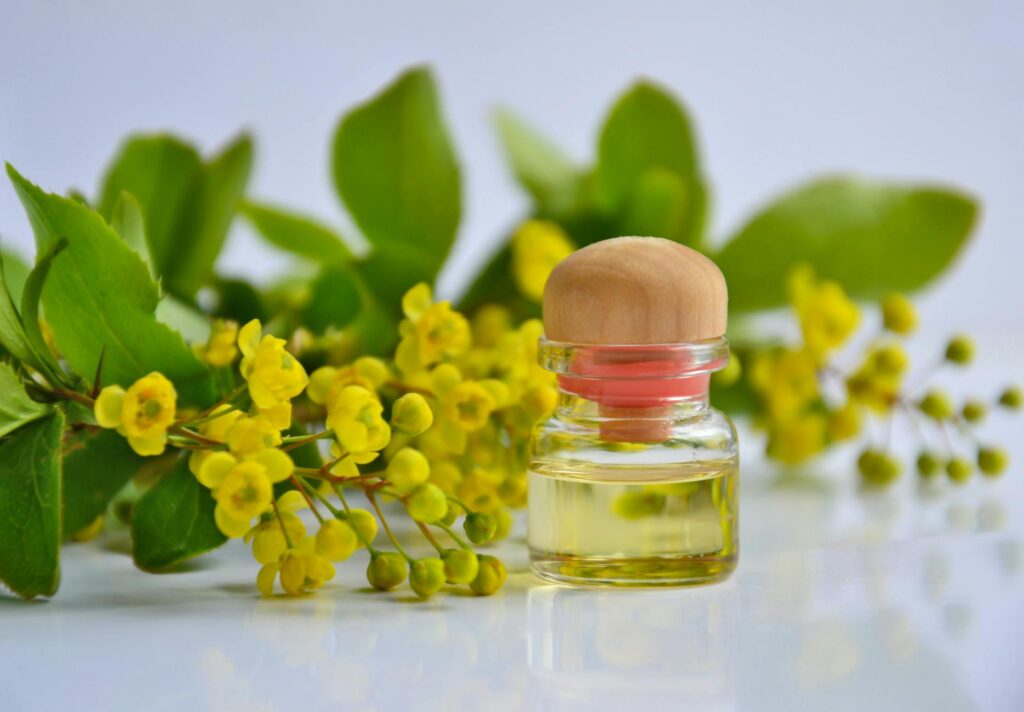
Health Benefits of Herbal Infused Spirits
Introduction
Herbal infused spirits are alcoholic beverages that have been infused with various herbs, botanicals, and spices. This ancient practice not only enhances the taste of spirits but also bestows them with potential health benefits derived from the properties of the infused ingredients. Herbal infusions have been a part of traditional practices across cultures, utilized for both culinary and medicinal purposes. This article explores the essence of herbal infused spirits, their benefits, common uses, and considerations for safe consumption.
What Is Herbal Infused Spirits?
Herbal infused spirits are created by steeping herbs and botanicals in a base spirit, such as vodka, gin, or rum. The infusion process allows the flavors, aromas, and beneficial compounds of the herbs to be extracted into the alcohol. Depending on the choice of herbs and the length of the infusion, the resulting product can vary significantly in flavor profile and potential health properties.
The infusion can take place over a few days to several weeks, with factors like the type of spirit, the herbs used, and the infusion method all playing crucial roles in the final outcome. Common herbs used for infusion include mint, rosemary, thyme, chamomile, and various citrus peels, each contributing unique characteristics to the spirit.
Key Benefits and Properties
Herbal infused spirits can offer a range of benefits, largely attributed to the properties of the herbs used in the infusion process. While these benefits can vary widely depending on the specific herbs, some general properties include:
1. Antioxidant Properties
Many herbs are rich in antioxidants, compounds that help neutralize free radicals in the body. Ingredients like rosemary, chamomile, and elderflower are known for their high antioxidant content. These antioxidants can support overall wellness by potentially reducing oxidative stress.
2. Digestive Support
Certain herbs, such as peppermint and ginger, are traditionally known for their digestive properties. Infusing spirits with these herbs may enhance the drink’s ability to support digestion, making it a popular choice for post-meal enjoyment.
3. Relaxation and Stress Relief
Herbs like lavender and chamomile are well-regarded for their calming effects. When infused into spirits, they may contribute to a sense of relaxation and well-being, making them a delightful option for unwinding after a long day.
4. Flavor Enhancement
Beyond their potential health benefits, herbal infusions can elevate the flavor and aroma of spirits. The rich and diverse profiles of the herbs can enhance cocktails and other beverages, making them more enjoyable and sophisticated.
Common Uses
Herbal infused spirits can be utilized in various ways, making them versatile additions to both culinary and beverage applications:
1. Cocktails
Herbal infused spirits are often used as base spirits in cocktails. Bartenders and mixologists may incorporate these infusions to create unique and flavorful drinks. For example, rosemary-infused gin can be a delightful addition to a gin and tonic.
2. Culinary Applications
Apart from beverages, herbal infused spirits can be used in cooking. They can be drizzled over desserts, incorporated into sauces, or used in marinades to impart flavor and aroma to dishes.
3. Tinctures and Elixirs
In traditional herbal practices, herbal infused spirits are often used as tinctures or elixirs. These preparations are typically used to extract the beneficial compounds of herbs for flavor and potential wellness purposes. However, it is essential to note that tinctures are not substitutes for medical treatments.
4. Gifts and Personal Care
Herbal infused spirits can be packaged beautifully and given as gifts. Additionally, they can be utilized in homemade personal care products, such as bath soaks or scrubs, to incorporate the aromatic properties of the herbs.
Aromatherapy Applications
While herbal infused spirits are primarily consumed, they can also be integrated into aromatherapy practices. The scents of the infused spirits can contribute to a calming atmosphere, similar to essential oils. Here are a few ways to incorporate herbal infused spirits into aromatherapy:
1. Scented Room Sprays
Diluting herbal infused spirits with distilled water can create a natural room spray. The aromatic properties of the herbs can freshen the air and provide a pleasant ambiance.
2. Potpourri
Adding herbal infused spirits to potpourri can enhance the fragrance of the mixture. The alcohol can help release the essential oils of the herbs, adding depth to the scent.
3. Massage Oils
When diluted appropriately, herbal infused spirits can be used in homemade massage oils. The scents can enhance the relaxation experience during a massage.
Safety Considerations
While herbal infused spirits can offer various benefits, it is crucial to consume them responsibly. Here are some safety considerations to keep in mind:
1. Alcohol Content
Herbal infused spirits contain alcohol, which should be consumed in moderation. Excessive alcohol consumption can lead to health issues.
2. Allergies and Sensitivities
Individuals with allergies or sensitivities to specific herbs should always check the ingredients of herbal infused spirits. Some herbs may cause allergic reactions in certain individuals.
3. Pregnant or Nursing Women
Pregnant or nursing women should exercise caution and consult healthcare professionals before consuming herbal infused spirits, as the effects of alcohol on fetal and infant development are well documented.
4. Interaction with Medications
Some herbs may interact with medications, potentially altering their effectiveness. It is advisable to consult with a healthcare provider if you are taking medications and considering using herbal infused spirits.
Storage and Shelf Life
Proper storage of herbal infused spirits is essential to maintain their flavor and quality. Here are some guidelines for storage:
1. Airtight Containers
Store herbal infused spirits in airtight glass containers to protect them from exposure to air, which can degrade their quality over time.
2. Cool, Dark Places
Keep the infused spirits in a cool, dark place, away from direct sunlight and heat. This helps preserve the flavors and properties of the herbs.
3. Shelf Life
Generally, herbal infused spirits can last for several months to a few years, depending on the ingredients used and storage conditions. It is advisable to check for any off smells or changes in appearance before consumption.
Frequently Asked Questions
1. Can I make my own herbal infused spirits?
Yes, making your own herbal infused spirits is a simple process. Choose your preferred herbs, combine them with a base spirit, and let them steep for a specified period. Strain the infusion before use.
2. What herbs are best for infusing spirits?
Popular herbs for infusion include mint, rosemary, thyme, chamomile, lavender, and citrus peels. The best herbs depend on your flavor preferences and desired effects.
3. How long should I let my infusion steep?
Infusion times vary depending on the herbs used. Generally, most infusions take anywhere from 3 days to 2 weeks. Taste the infusion periodically to determine when it has reached the desired flavor.
4. Can I use dried herbs for infusing spirits?
Yes, dried herbs can be used for infusions. However, they may impart a stronger flavor more quickly than fresh herbs, so adjustments to steeping time may be necessary.
5. Are herbal infused spirits safe for everyone?
While many people can enjoy herbal infused spirits, those with allergies, pregnant or nursing women, and individuals on certain medications should exercise caution and consult a healthcare provider if needed.
Conclusion
Herbal infused spirits offer a delightful fusion of flavor and potential health benefits derived from the herbs used in the infusion process. Their versatility allows for creative culinary and beverage applications, while proper consideration of safety and storage ensures a pleasurable experience. As with any herbal or alcoholic product, awareness of individual circumstances and preferences is paramount. Whether enjoyed in a cocktail or as part of a celebratory toast, herbal infused spirits can elevate occasions and enhance culinary experiences.