
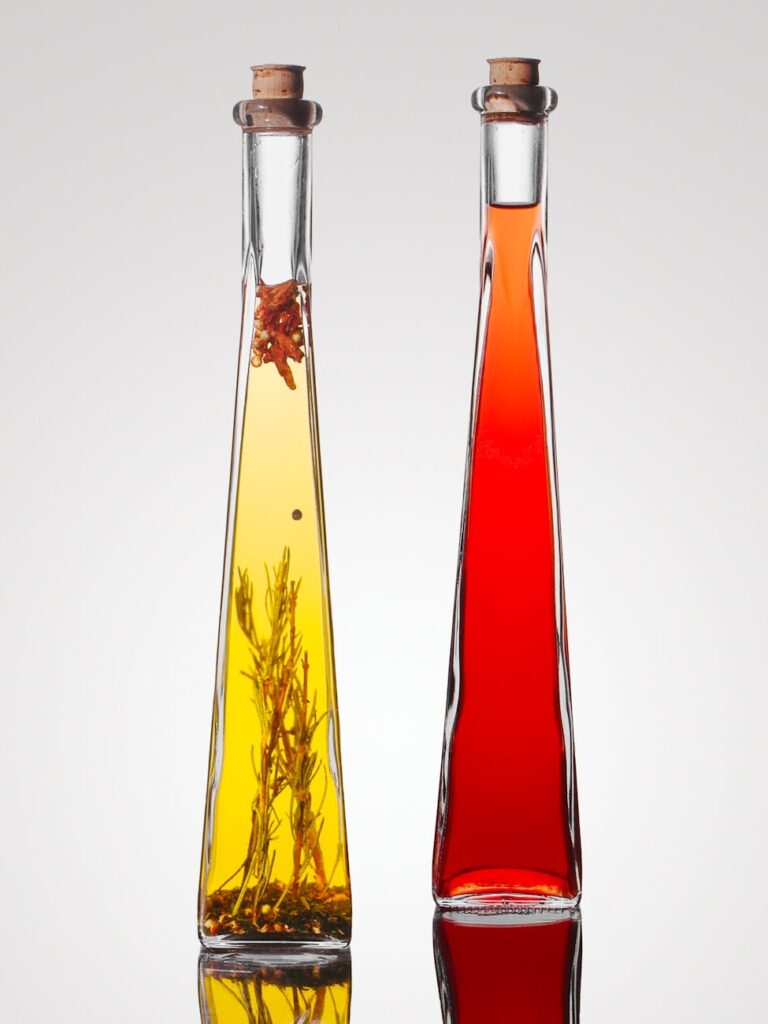
Health Benefits of Herbal Infused Vinegars for Beauty Benefits
Introduction
Herbal infused vinegars have gained significant attention in the realm of natural beauty and wellness. These versatile concoctions, which combine vinegar with various herbs and botanicals, not only offer culinary delights but also present an array of potential beauty benefits. As more individuals seek holistic approaches to skincare and self-care, understanding the properties and uses of herbal infused vinegars can empower them to incorporate these natural remedies into their routines.
What Are Herbal Infused Vinegars for Beauty Benefits?
Herbal infused vinegars are created by steeping herbs, flowers, or other botanicals in vinegar for a period of time, allowing the vinegar to extract the beneficial properties of the ingredients. Common vinegars used include apple cider vinegar, white wine vinegar, and rice vinegar, each of which has its unique profile of acidity and flavor. The infusion process can vary in length, typically ranging from a few days to several weeks, depending on the desired strength and characteristics of the final product.
These herbal concoctions can be used in various forms, including toners, hair rinses, and even as additives in skin care formulations. Their appeal lies not only in their natural ingredients but also in their multifunctional applications.
Key Benefits and Properties
Herbal infused vinegars are celebrated for their diverse benefits, many of which stem from the properties of both the vinegar and the infused herbs. Here are some key properties and benefits:
1. Astringent Properties
Many herbal infused vinegars possess astringent qualities, making them effective for tightening and toning the skin. This can help reduce the appearance of pores and improve overall skin texture.
2. Antioxidant Benefits
Herbs such as rosemary, thyme, and peppermint, commonly used in infusions, are rich in antioxidants. These compounds can help combat free radicals, supporting skin health and potentially reducing signs of aging.
3. Antimicrobial Effects
Several herbs have natural antimicrobial properties, which can aid in cleansing the skin and preventing breakouts. This makes herbal infused vinegars a popular choice for those with oily or acne-prone skin.
4. pH Balancing
Vinegar has a natural acidity that can help balance the skin’s pH. This is particularly beneficial for individuals with oily or combination skin, as it can help regulate sebum production.
5. Soothing and Calming
Certain herbs, like chamomile and calendula, are known for their soothing properties. Infusions containing these herbs can help calm irritated skin and reduce redness.
Common Uses
Herbal infused vinegars can be incorporated into beauty routines in various ways. Here are some popular applications:
1. Facial Toner
Diluting herbal infused vinegar with water creates a refreshing facial toner. This can be applied after cleansing to help tighten pores and restore pH balance.
2. Hair Rinse
Using herbal infused vinegar as a final rinse after shampooing can enhance shine, reduce frizz, and promote a healthy scalp.
3. Soothing Bath Additive
Adding herbal infused vinegar to bathwater can create a soothing experience, allowing the skin to absorb the benefits of the herbs while enjoying the relaxing properties of warm water.
4. Acne Treatment
Applying diluted herbal infused vinegar directly to blemishes can harness its antimicrobial properties, potentially reducing the duration and severity of breakouts.
5. Skin Exfoliant
Mixing herbal infused vinegar with sugar or salt can create a natural exfoliant, helping to slough off dead skin cells and promote a smoother complexion.
Aromatherapy Applications
The aromatherapeutic benefits of herbal infused vinegars extend beyond their topical applications. Certain infused vinegars can be used in conjunction with essential oils for enhanced effects:
1. Calming Relaxation
Infused vinegars containing soothing herbs like lavender can be used in aromatherapy practices. Adding a few drops of essential oil to the infusion can promote relaxation during a bath or massage.
2. Invigorating Scents
Herbal infused vinegars made with invigorating herbs such as peppermint or citrus can uplift the mood. Incorporating them into a diffuser blend can enhance the ambiance of a space.
3. Aromatic Sprays
Creating a room spray with herbal infused vinegar, water, and essential oils allows for a natural way to freshen up the environment while enjoying the benefits of the herbs.
Safety Considerations
While herbal infused vinegars offer numerous benefits, it is essential to approach their use with caution. Here are some important safety considerations:
1. Skin Sensitivity
Individuals with sensitive skin should perform a patch test before applying any herbal infused vinegar directly to the skin. Diluting the vinegar further with water can help reduce potential irritation.
2. Allergies
Be aware of any allergies to specific herbs or botanicals. Always check the ingredient list before using an herbal infused vinegar.
3. Proper Dilution
When using herbal infused vinegars as toners or rinses, proper dilution with water is crucial to prevent skin irritation. A common ratio is one part vinegar to three parts water.
4. Storage Conditions
Store herbal infused vinegars in a cool, dark place, away from direct sunlight, to maintain their potency and prevent spoilage.
Storage and Shelf Life
The shelf life of herbal infused vinegars varies depending on the type of vinegar used and the herbs infused. Generally, they can last for several months to a year when stored properly. Here are some tips for optimal storage:
1. Use Sterilized Containers
Using sterilized glass jars or bottles for storage can help prolong the shelf life and maintain the quality of the infusion.
2. Labeling
Label containers with the date of infusion and the ingredients used to keep track of freshness.
3. Check for Signs of Spoilage
Before use, inspect the infusion for any changes in color, odor, or the presence of mold. If any signs of spoilage are present, it is best to discard the product.
Frequently Asked Questions
Q1: Can I make herbal infused vinegar at home?
Yes, making herbal infused vinegar at home is a straightforward process. Simply combine your chosen herbs with vinegar in a clean jar, seal it, and let it steep for a few days to a few weeks, shaking occasionally.
Q2: Which herbs are best for infused vinegars?
Common herbs for infusion include rosemary, thyme, basil, lavender, chamomile, and peppermint. The choice of herbs can depend on personal preferences and desired benefits.
Q3: Can I use any type of vinegar for infusions?
While apple cider vinegar is the most popular choice due to its mild flavor and beneficial properties, you can use other types of vinegar, such as white wine or rice vinegar, depending on your preferences.
Q4: Are there any contraindications for using herbal infused vinegars?
Individuals with specific skin conditions or allergies should consult with a healthcare professional before using herbal infused vinegars. Additionally, those with sensitive skin should use caution and perform patch tests.
Q5: How do I know if an herbal infused vinegar is safe to use?
Check for any signs of spoilage, such as changes in color, odor, or the presence of mold. If any abnormalities are detected, it is best to discard the infusion.
Conclusion
Herbal infused vinegars represent a rich tradition of natural beauty care, harnessing the potent properties of botanicals to enhance skin and hair health. Their multifaceted uses, coupled with the benefits of aromatherapy, make them a valuable addition to any beauty routine. By understanding the properties, applications, and safety considerations of herbal infused vinegars, individuals can explore new ways to integrate these natural remedies into their lives, promoting beauty and wellness holistically.