
Health Benefits of Herbal Infused Vinegars for Culinary Use
Introduction
Herbal infused vinegars have been a staple in culinary traditions across various cultures for centuries. These versatile condiments not only enhance the flavor of dishes but also offer a range of health benefits, making them a valuable addition to any kitchen. This article explores what herbal infused vinegars are, their key benefits and properties, common uses, and safety considerations, among other important aspects.
What Is Herbal Infused Vinegars for Culinary Use?
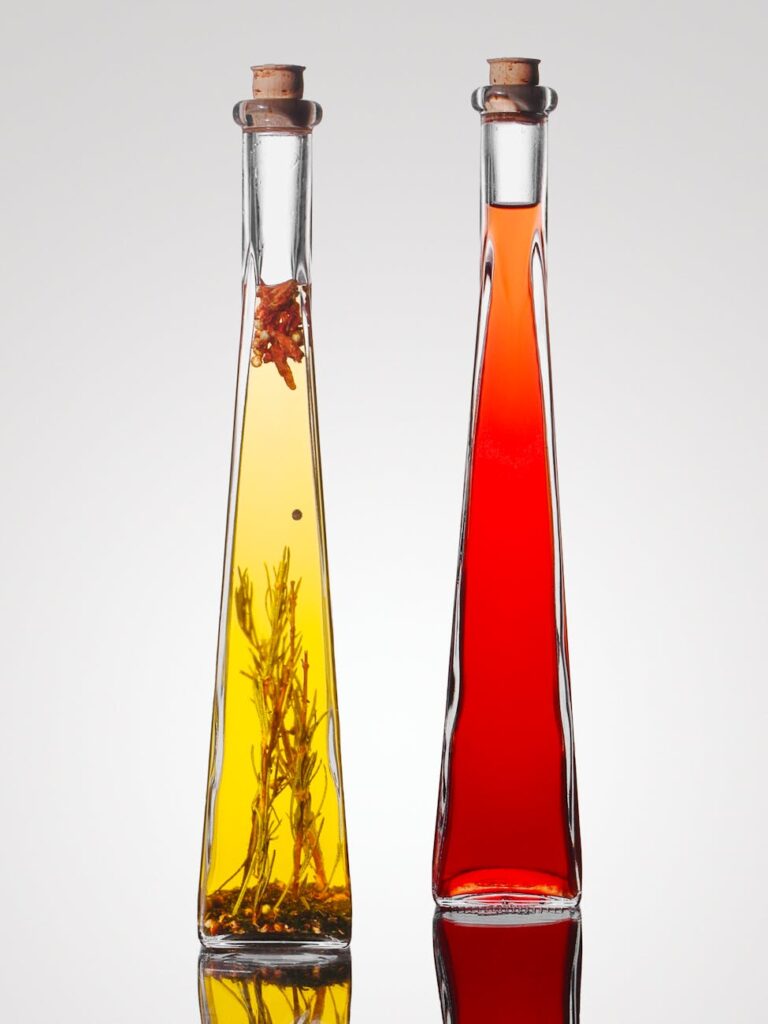
Herbal infused vinegars are created by steeping herbs, spices, or other botanicals in vinegar, allowing the acetic acid in the vinegar to extract the flavors, aromas, and beneficial properties of the herbs. This infusion process transforms ordinary vinegar into a flavorful, aromatic condiment that can be used in various culinary applications.
The types of vinegar commonly used for infusions include apple cider vinegar, white wine vinegar, red wine vinegar, and rice vinegar. The choice of vinegar often depends on the desired flavor profile and the specific culinary application.
The Infusion Process
Creating herbal infused vinegar typically involves a few simple steps:
1. Selection of Ingredients: Choose fresh or dried herbs, spices, and vinegar.
2. Preparation: Clean and chop the herbs to increase surface area for the infusion.
3. Infusion: Combine the herbs and vinegar in a jar, seal it tightly, and let it steep for a specified period, usually ranging from a week to a month.
4. Straining: After the infusion period, strain out the solid ingredients to obtain a clear liquid.
The result is a vibrant, flavorful vinegar that can be used to elevate various dishes.
Key Benefits and Properties
Nutritional Benefits
Herbal infused vinegars can provide several nutritional benefits, depending on the herbs used. Many herbs are rich in antioxidants, vitamins, and minerals. For instance:
- Thyme: Known for its antiseptic and antioxidant properties.
- Basil: Contains essential oils that may aid in digestion and has anti-inflammatory properties.
- Rosemary: Rich in antioxidants and known for its potential cognitive benefits.
- Lavender Infused Vinegar: Can be used in bath treatments or as a hair rinse, offering calming properties.
- Peppermint Infused Vinegar: May invigorate and refresh the senses, making it suitable for use in foot soaks or as a room spray when diluted.
Digestive Health
Vinegar itself is often associated with digestive benefits. The acetic acid in vinegar may assist in balancing stomach acidity, which can facilitate digestion. When combined with herbs known for their digestive properties, such as peppermint or fennel, the benefits may be enhanced.
Flavor Enhancement
Herbal infused vinegars can elevate the flavor of dishes without the need for additional salt or sugar. This makes them an excellent choice for those looking to reduce sodium intake or enhance the natural flavors of ingredients.
Preservation
Herbal infused vinegars can act as natural preservatives due to their acidity. The high acidity level inhibits the growth of harmful bacteria, allowing the infused vinegar to have a longer shelf life compared to fresh herbs.
Common Uses
Herbal infused vinegars are incredibly versatile and can be used in various culinary applications:
Salad Dressings
They can serve as a base for homemade salad dressings. A simple combination of infused vinegar, olive oil, and seasonings can create a delicious dressing that enhances the freshness of salads.
Marinades
Infused vinegars make excellent marinades for meats, fish, and vegetables, imparting flavor and aiding in tenderization.
Pickling
They can be used in pickling recipes, adding unique flavors to preserved vegetables.
Sauces and Soups
A splash of herbal infused vinegar can elevate sauces and soups, providing depth and complexity to the overall flavor profile.
Finishing Touch
A drizzle of infused vinegar can serve as a finishing touch on dishes like roasted vegetables, grilled meats, or even pasta, adding brightness and flavor.
Aromatherapy Applications
In addition to their culinary uses, many herbs infused in vinegar have properties that can be explored in aromatherapy. The aromatic compounds released during the infusion process can enhance mood, promote relaxation, and create a soothing atmosphere.
For example:
While primarily culinary, the aromatic qualities of herbal infused vinegars can extend their use into holistic practices.
Safety Considerations
While herbal infused vinegars are generally safe for culinary use, there are some essential safety considerations to keep in mind:
1. Quality of Ingredients: Always use high-quality, organic herbs and vinegar to ensure purity and safety.
2. Allergies: Be aware of any allergies or sensitivities to specific herbs before consumption.
3. Storage: Store infused vinegars in a cool, dark place to prevent spoilage or degradation of flavor.
4. Acidity: Ensure that the vinegar used has a sufficient acidity level (5% or higher) to prevent the growth of harmful bacteria, especially if the infusion includes fresh herbs.
Storage and Shelf Life
Proper storage is crucial for maintaining the quality of herbal infused vinegars. Here are some tips:
1. Containers: Use sterilized glass jars or bottles to prevent contamination.
2. Labeling: Label the containers with the date of infusion and the ingredients used.
3. Shelf Life: Generally, herbal infused vinegars can last for 1 to 2 years if stored correctly. However, it’s best to use them within six months for optimal flavor.
If any unusual odors, flavors, or cloudiness develop, it is advisable to discard the vinegar.
Frequently Asked Questions
Can I use any type of vinegar for infusions?
Yes, various types of vinegar can be used, including apple cider vinegar, white wine vinegar, and rice vinegar. Each type lends its unique flavor profile to the infusion.
How long should I let the herbs steep in the vinegar?
The steeping time can vary based on the type of herbs used. Generally, one week is sufficient for delicate herbs, while heartier herbs may benefit from longer steeping times, up to four weeks.
Do I need to refrigerate herbal infused vinegars?
Refrigeration is not necessary if the infused vinegar has a high acidity level and is stored in a cool, dark place. However, refrigeration may prolong freshness once opened.
Can I use dried herbs for infusions?
Yes, dried herbs can be used for infusions and may even yield a more concentrated flavor. Ensure that the dried herbs are of high quality and free from additives.
Are there any herbs I should avoid infusing in vinegar?
Generally, most culinary herbs are safe for infusion. However, some herbs may be better suited for culinary use rather than infusion, such as those with high oil content like basil or mint, as they may cloud the vinegar over time. Always consult reliable resources when in doubt.
Conclusion
Herbal infused vinegars offer a delightful fusion of flavor and health benefits, making them an excellent addition to culinary practices. Their versatility extends beyond the kitchen, allowing for aromatic applications and preservation methods. By understanding their benefits, uses, and safety considerations, one can fully appreciate the culinary and holistic potential of these herbal creations. Whether used in dressings, marinades, or as finishing touches, herbal infused vinegars are a testament to the art of flavor enhancement and natural preservation.