
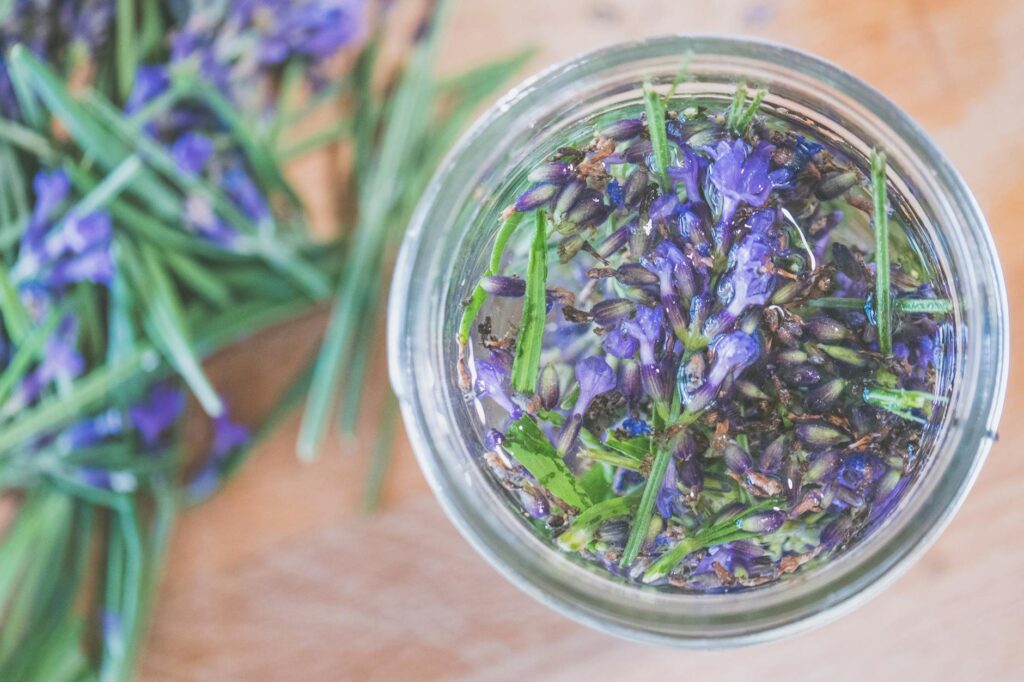
Health Benefits of Herbal Infused Vinegars for Medicinal Use
Introduction
Herbal infused vinegars have been utilized for centuries as natural remedies and culinary enhancers. This age-old practice combines the tangy flavor of vinegar with the aromatic and therapeutic properties of various herbs, resulting in a versatile product that can be used in numerous ways. While the primary focus of this article is on the health benefits of herbal infused vinegars, it is essential to recognize that these concoctions can complement traditional medicinal practices and enhance one’s overall wellness regimen.
What Is Herbal Infused Vinegars for Medicinal Use?
Herbal infused vinegar is created by steeping fresh or dried herbs in vinegar, allowing the acetic acid in the vinegar to extract the beneficial properties of the herbs. The result is a flavorful and aromatic liquid that can be consumed or used topically. Commonly used vinegars include apple cider vinegar, white wine vinegar, and rice vinegar, each bringing its unique flavor profile and potential health benefits.
The process of infusion typically involves combining herbs with vinegar in a jar, sealing it, and allowing it to steep for a few weeks. This method not only preserves the herbs but also enhances their medicinal properties, making herbal infused vinegars a valuable addition to both culinary and health practices.
Key Benefits and Properties
The health benefits of herbal infused vinegars stem from both the vinegar itself and the herbs used in the infusion. Here are some key benefits and properties associated with these concoctions:
1. Digestive Health
Herbal infused vinegars are often praised for their potential to support digestive health. Vinegar, particularly apple cider vinegar, is believed to aid in digestion by increasing stomach acidity, which may help break down food more effectively. Additionally, the herbs used in the infusion, such as peppermint or ginger, can further promote digestive comfort and alleviate symptoms of bloating or gas.
2. Antioxidant Properties
Many herbs used in infused vinegars, such as rosemary and thyme, are rich in antioxidants. These compounds help neutralize free radicals in the body, reducing oxidative stress and potentially lowering the risk of chronic diseases. Consuming herbal infused vinegars regularly may contribute to overall health and well-being.
3. Anti-Inflammatory Effects
Certain herbs, such as turmeric and chamomile, are known for their anti-inflammatory properties. Infusing these herbs in vinegar can create a potent mixture that may help reduce inflammation when consumed. This can be particularly beneficial for individuals dealing with conditions characterized by chronic inflammation.
4. Immune Support
Herbal infused vinegars may also support the immune system. Ingredients like garlic and echinacea are often used for their immune-boosting properties. Incorporating these herbal vinegars into your diet may help fortify your body’s defenses against common illnesses.
5. Skin Health
When used topically, herbal infused vinegars can benefit the skin. The acetic acid in vinegar acts as a natural astringent, helping to cleanse and tone the skin. Infusions with herbs like lavender or calendula can offer soothing properties, making them useful for minor skin irritations or as part of a skincare routine.
Common Uses
Herbal infused vinegars can be incorporated into daily life in various ways:
1. Culinary Uses
One of the most popular applications is in cooking and salad dressings. The vinegar can add a flavorful punch to marinades, sauces, and pickling brines. The unique taste profiles of different herb-infused vinegars can elevate ordinary dishes and enhance the overall culinary experience.
2. Beverages
Herbal infused vinegars can be diluted with water or added to herbal teas for a refreshing drink. This not only provides a flavorful beverage but also allows individuals to reap the health benefits associated with the infused herbs.
3. Topical Applications
For skin health, herbal infused vinegars can be diluted with water and used as a facial toner or added to baths for soothing skin treatments. Infusions containing herbs with antimicrobial properties, like tea tree or calendula, may also be beneficial for minor skin issues.
4. Household Cleaning
The antibacterial properties of vinegar make herbal infused vinegars excellent candidates for natural cleaning solutions. The addition of herbs can enhance the cleaning power while imparting a pleasant scent to the environment.
Aromatherapy Applications
While herbal infused vinegars are not typically used in traditional aromatherapy applications, they can complement aromatherapy practices by enhancing the overall sensory experience. The aromatic properties of the herbs can create a soothing atmosphere when used in conjunction with essential oils.
1. Creating Herbal Room Sprays
Herbal infused vinegars can be mixed with water and used as room sprays. This not only helps to purify the air but also adds a delightful herbal scent to the environment.
2. Incorporating into Bath Rituals
Adding herbal infused vinegars to bathwater can enhance relaxation and create a sensory experience. The combination of warm water and aromatic herbs may promote a sense of calm and well-being.
Safety Considerations
While herbal infused vinegars are generally safe for most people, it is essential to consider the following:
1. Dilution
Vinegar is potent and should always be diluted when consumed or applied to the skin to avoid irritation. A common recommendation is to mix one part vinegar with at least three parts water.
2. Allergies
Individuals with allergies or sensitivities to specific herbs should exercise caution and conduct a patch test before using infused vinegars topically.
3. Consultation
It is advisable to consult a healthcare professional before incorporating herbal infused vinegars into your routine, especially if you have pre-existing health conditions or are pregnant or breastfeeding.
Storage and Shelf Life
Proper storage is crucial for maintaining the quality and potency of herbal infused vinegars. Here are some guidelines:
1. Storage Conditions
Store herbal infused vinegars in a cool, dark place, away from direct sunlight. A pantry or cupboard is ideal.
2. Shelf Life
Typically, herbal infused vinegars have a shelf life of six months to a year when stored correctly. Over time, the quality may diminish, so it is advisable to label jars with the date of infusion.
Frequently Asked Questions
1. How do I make herbal infused vinegar?
To make herbal infused vinegar, simply combine your choice of herbs with vinegar in a clean jar, seal it, and let it steep for 2 to 4 weeks in a cool, dark place. Shake the jar occasionally to help with infusion. Strain the herbs before using the vinegar.
2. Can I use any type of vinegar?
While any vinegar can be used, apple cider vinegar is one of the most popular choices due to its numerous health benefits and milder flavor. Other options include red wine vinegar and rice vinegar.
3. Are there specific herbs that work best?
Some commonly used herbs for infusion include rosemary, thyme, garlic, chamomile, and turmeric. The choice of herbs will depend on the desired flavor and health benefits.
4. Can herbal infused vinegar be used for cooking?
Yes, herbal infused vinegars are excellent for cooking. They can be used in salad dressings, marinades, and sauces to add depth of flavor.
5. Is it safe to use herbal infused vinegar on the skin?
When diluted, herbal infused vinegars can be safe for topical use. However, it is essential to conduct a patch test first, especially if you have sensitive skin or allergies.
Conclusion
Herbal infused vinegars offer a wealth of health benefits and versatile applications, making them a valuable addition to any wellness regimen. From supporting digestive health to enhancing culinary experiences, the potential uses are vast and varied. While they should not replace conventional medical treatments, these herbal concoctions can serve as a complementary approach to holistic health. With proper preparation and safety considerations, anyone can explore the enriching world of herbal infused vinegars.