
Health Benefits of Herbal Infused Water
Introduction
In recent years, the popularity of herbal infused water has surged, captivating the attention of wellness enthusiasts and health-conscious individuals alike. This refreshing beverage not only hydrates but also offers a myriad of potential health benefits derived from the properties of various herbs. This article delves into what herbal infused water is, its benefits, common uses, and safety considerations, while providing a comprehensive overview for those interested in this natural approach to wellness.
What Is Herbal Infused Water?
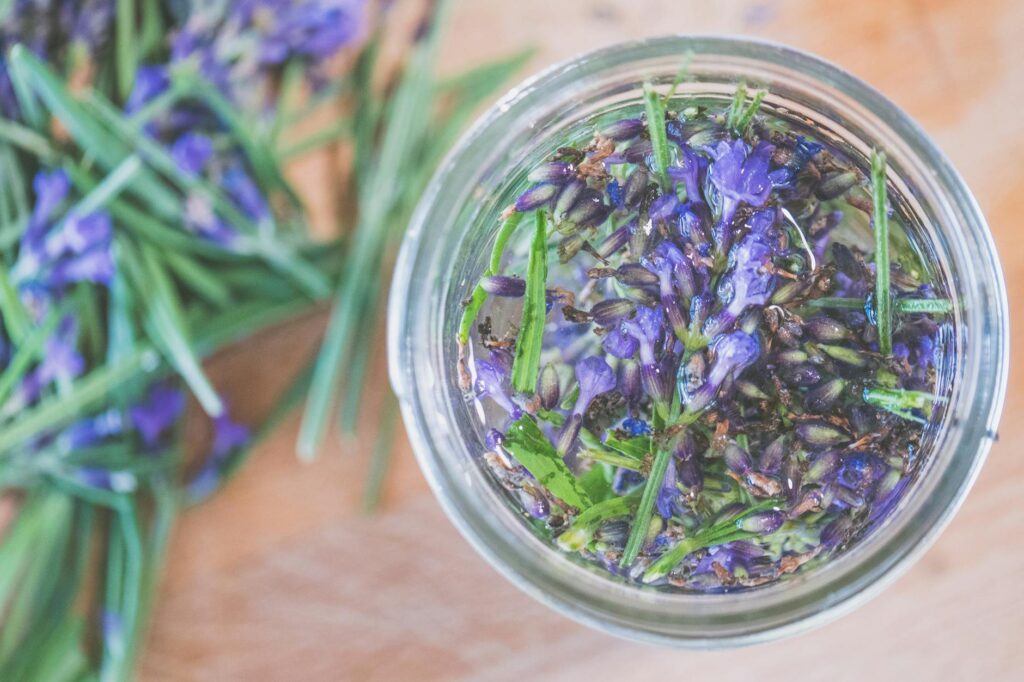
Herbal infused water, often simply referred to as herbal water, is created by steeping herbs, flowers, or even fruits in water. This process allows the water to extract the flavors and beneficial properties of the chosen botanicals, providing a refreshing drink that can be enjoyed hot or cold. Unlike herbal teas, which are typically brewed at higher temperatures for extended periods, herbal infused water is generally prepared with cooler water and shorter steeping times, making it a versatile beverage option.
The infusion process can vary based on the herbs used and personal preferences. Common methods for preparing herbal infused water include:
- Cold Infusion: This method involves placing fresh or dried herbs in cold water and letting them steep in the refrigerator for several hours or overnight.
- Hot Infusion: Similar to making tea, hot infusion utilizes boiling water, but the steeping time is kept short to preserve the delicate flavors of the herbs.
- Refreshing Beverage: Serve herbal infused water chilled or over ice as a hydrating drink, perfect for hot summer days.
- Flavoring for Cocktails: Use herbal infused water as a mixer in cocktails, enhancing the flavor and adding a unique twist to your drinks.
- Cooking and Baking: Incorporate herbal infusions into recipes, such as using them for cooking grains or as a base for soups and sauces.
- Beauty Rinse: Certain herbal infused waters can be used as hair rinses or facial mists, leveraging the properties of the herbs for potential benefits to skin and hair.
- Lavender and Lemon: A soothing blend perfect for relaxation.
- Peppermint and Lime: An invigorating combination that can help uplift your spirits.
- Basil and Orange: A refreshing mix that provides a stimulating effect.
- Allergies: Always check for potential allergies to the specific herbs you plan to use. Some individuals may have sensitivities to certain plants.
- Pregnancy and Nursing: Certain herbs may not be recommended for pregnant or nursing women. It is advisable to consult a healthcare professional for guidance.
- Interactions with Medications: Some herbs can interact with medications, particularly blood thinners or medications affecting blood pressure. It is important to be aware of these interactions and consult a healthcare provider if necessary.
- Quality of Ingredients: Ensure that the herbs used are of high quality and ideally sourced from reputable suppliers. This helps to minimize the risk of contaminants.
- Refrigeration: Store herbal infused water in a sealed container in the refrigerator. It is best consumed within 3–5 days for optimal flavor and freshness.
- Freezing Options: For longer storage, consider freezing herbal infusions in ice cube trays. These can be added to beverages or used in cooking as needed.
Key Benefits and Properties
Herbal infused water is celebrated for its potential health benefits, many of which stem from the unique properties of the herbs used. Some of the most notable benefits include:
Hydration
Staying hydrated is fundamental to overall health. Herbal infused water provides an enjoyable alternative to plain water, encouraging increased fluid intake. The natural flavors and aromas of herbs can make drinking water more appealing, which is especially beneficial for those who struggle to meet their daily hydration needs.
Antioxidant Properties
Many herbs are rich in antioxidants, compounds that help combat oxidative stress in the body. Antioxidants can neutralize free radicals, potentially reducing the risk of chronic diseases and promoting overall wellness. Common herbs such as mint, basil, and rosemary are known for their high antioxidant content.
Digestive Aid
Certain herbs, such as peppermint and ginger, are traditionally used to support digestive health. Infusing these herbs in water may help alleviate discomfort and promote better digestion by stimulating digestive enzymes and reducing bloating.
Calming Effects
Some herbs, including chamomile and lavender, are renowned for their calming properties. Herbal infused water made with these botanicals may provide a soothing effect, helping to reduce stress and promote relaxation.
Nutrient Boost
Herbal infused water can also offer a variety of vitamins and minerals depending on the herbs used. For instance, hibiscus is rich in vitamin C, while nettle is known for its mineral content, including iron and calcium. Infusing these herbs in water allows you to enjoy their nutritional benefits in a refreshing format.
Common Uses
Herbal infused water can be enjoyed in various ways, making it a versatile addition to your daily routine. Some common uses include:
Aromatherapy Applications
The practice of aromatherapy often overlaps with the use of herbal infused waters. Aromatherapy utilizes essential oils and plant extracts to promote physical and emotional well-being, and herbal infused waters can complement these practices.
For instance, infusing water with fragrant herbs like rosemary or thyme may create a scented environment that enhances mood and mental clarity. As you sip on the infusion, the aroma of the herbs can also provide a sensory experience that aligns with the principles of aromatherapy.
Creating Herbal Infused Water for Aromatherapy
To create an aromatic experience, consider combining herbs with complementary scents. For example:
By selecting herbs that resonate with your intended mood or desired outcome, herbal infused water can serve as an accessible tool for enhancing your well-being.
Safety Considerations
While herbal infused water is generally safe for most individuals, a few considerations should be kept in mind:
Storage and Shelf Life
Herbal infused water is best consumed fresh, but it can be stored for a short period. Here are some guidelines for storage:
Frequently Asked Questions
1. How can I choose the right herbs for infusion?
The choice of herbs largely depends on your personal preferences and intended benefits. Consider experimenting with various combinations to discover flavors and aromas you enjoy. Popular choices include mint, basil, lemon balm, lavender, and rosemary.
2. Can I use dried herbs for infusion?
Yes, you can use dried herbs for infusion, but fresh herbs often provide a more vibrant flavor. If using dried herbs, remember that they are typically more concentrated, so you may need to adjust the amount used.
3. Is there a recommended steeping time for herbal infused water?
For cold infusions, a steeping time of 2–12 hours is generally recommended. For hot infusions, steeping for 5–10 minutes is usually sufficient. The steeping time can be adjusted based on personal taste preferences.
4. Can I sweeten herbal infused water?
Yes, if desired, you can sweeten herbal infused water with natural sweeteners such as honey, agave syrup, or stevia. Adding slices of citrus fruits or berries can also enhance the flavor without the need for additional sweeteners.
5. Are there any herbs I should avoid using in herbal infused water?
Certain herbs may not be suitable for infusion. For example, herbs like rue, mugwort, and wormwood can have potent effects. As with any herbal preparation, it is wise to research the properties of the herbs you plan to use.
Conclusion
Herbal infused water is a delightful and beneficial beverage that offers a range of potential health benefits. From enhancing hydration to providing soothing properties and nutritional boosts, this simple infusion of herbs, flowers, or fruits can be easily incorporated into daily routines. By understanding the properties and uses of various herbs, individuals can tailor their herbal infused waters to suit their preferences and wellness goals. Always exercise caution and consult relevant resources when exploring herbal options, ensuring a safe and enjoyable experience with this natural approach to hydration and health.