
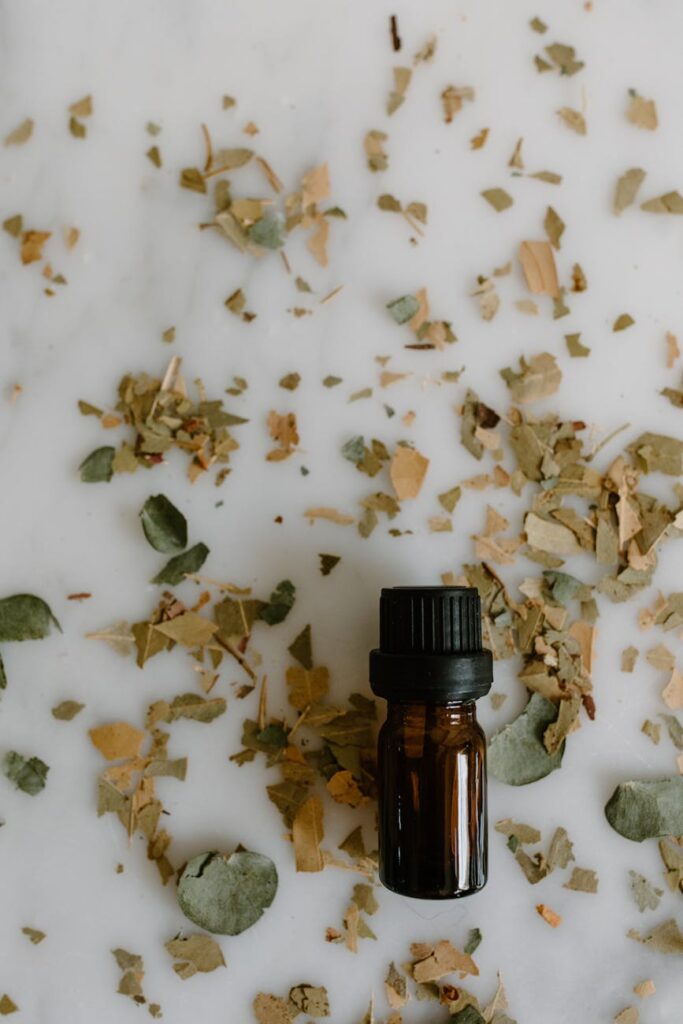
Health Benefits of Herbal Mood-Enhancing Aromatherapy Blends
Introduction
In an increasingly fast-paced world, stress, anxiety, and mood fluctuations have become commonplace. Many individuals seek natural remedies to enhance their emotional well-being and overall mood. Herbal mood-enhancing aromatherapy blends, composed of essential oils derived from various plants, have gained popularity for their potential to promote relaxation, uplift spirits, and improve emotional balance. This article explores the nature of these blends, their benefits, applications, and essential safety considerations.
What Are Herbal Mood-Enhancing Aromatherapy Blends?
Herbal mood-enhancing aromatherapy blends are combinations of essential oils that aim to influence emotional health positively. Each essential oil possesses unique properties derived from the plants they are extracted from, whether through steam distillation, cold pressing, or solvent extraction. The synergistic effects of combining different oils can enhance their individual benefits, creating a holistic approach to mood enhancement.
Common ingredients in these blends may include oils from herbs, flowers, and fruits known for their uplifting or calming properties. Examples include lavender for relaxation, bergamot for uplifting mood, and chamomile for soothing anxiety. By inhaling the aromatic compounds released by these oils, individuals may experience an emotional shift, promoting a sense of well-being.
Key Benefits and Properties
Uplifting Mood
Certain essential oils, such as sweet orange, lemon, and bergamot, are known for their uplifting properties. These oils can help combat feelings of sadness and promote a more positive outlook.
Reduction of Stress and Anxiety
Herbs like lavender, chamomile, and frankincense have calming qualities, which can aid in reducing stress and anxiety levels. Their soothing aromas may foster a sense of peace and relaxation.
Improved Focus and Clarity
Essential oils such as rosemary and peppermint can enhance cognitive function, improving concentration and mental clarity, making them ideal for individuals seeking to boost productivity while managing mood.
Enhanced Sleep Quality
Blends containing lavender, valerian, and ylang-ylang are commonly used to promote restful sleep. The calming effects of these oils can create a tranquil atmosphere, conducive to sleep.
Emotional Balance
Blends that incorporate oils like geranium and neroli may help in stabilizing emotions, fostering emotional balance and resilience against mood swings.
Common Uses
Herbal mood-enhancing aromatherapy blends can be employed in various contexts, including:
Personal Care
Incorporating these blends into personal care routines, such as in bath oils, lotions, or massage oils, can enhance the sensory experience and promote emotional well-being.
Home Environment
Diffusing essential oils in the home environment can create a calming or uplifting atmosphere, depending on the desired effect. Blends can be added to candles or used in potpourri.
Meditation and Relaxation
Utilizing these blends during meditation or relaxation exercises can enhance the experience, helping individuals to achieve a deeper state of calm and interconnectedness.
Emotional Support
In situations requiring emotional support, such as during stressful periods or transitions, inhaling or applying mood-enhancing blends can provide immediate relief and comfort.
Aromatherapy Applications
Diffusion
Using an essential oil diffuser is one of the most popular methods for enjoying the benefits of herbal mood-enhancing blends. Water and a few drops of the blend are combined in the diffuser, allowing the aromatic compounds to disperse throughout the room.
Inhalation
Direct inhalation can be an effective way to experience the benefits of essential oils. This can be done by placing a few drops of the blend on a cotton ball or handkerchief and inhaling deeply.
Topical Application
Diluting essential oils with a carrier oil, such as jojoba or sweet almond oil, allows for safe topical application. This method is particularly useful for targeted relief, such as applying to pulse points on the wrists or neck.
Bath Soaks
Adding a few drops of mood-enhancing blends to a warm bath can create a soothing environment, transforming a simple bath into a therapeutic experience.
Safety Considerations
While herbal mood-enhancing aromatherapy blends can offer numerous benefits, it is essential to exercise caution:
Skin Sensitivity
Some individuals may experience skin irritation or allergic reactions to essential oils. It is advisable to conduct a patch test before applying any new blend to the skin.
Pregnancy and Nursing
Certain essential oils may not be suitable for use during pregnancy or nursing. Individuals in these situations should consult a qualified professional before using any essential oils.
Interactions with Medications
Essential oils may interact with certain medications. It is essential to consult with healthcare professionals if you are taking medications or have underlying health conditions.
Quality of Oils
Not all essential oils are created equal. It is crucial to select high-quality, pure essential oils from reputable sources to ensure safety and efficacy.
Storage and Shelf Life
Proper storage of essential oils is vital for maintaining their integrity. To prolong the shelf life of herbal mood-enhancing blends, consider the following:
Storage Conditions
Store essential oils in a cool, dry place away from direct sunlight. Dark glass bottles are recommended, as they protect the oils from light exposure.
Shelf Life
Most essential oils have a shelf life ranging from one to three years, depending on the specific oil and its chemical composition. Over time, oils may lose potency or change in scent, so it is advisable to label the bottles with the date of purchase.
Frequently Asked Questions
1. Can I create my own herbal mood-enhancing blends?
Yes, creating personalized blends can be a rewarding process. Start with a base oil and gradually add drops of essential oils that resonate with your emotional needs.
2. How often can I use aromatherapy blends?
The frequency of use can vary based on personal preference and the specific oils used. Many individuals find daily use beneficial, while others may prefer to use them as needed.
3. Are there any side effects associated with using essential oils?
While many people use essential oils without issues, some individuals may experience headaches, nausea, or allergic reactions. It is essential to use oils mindfully and discontinue use if adverse reactions occur.
4. Can I combine different essential oils for a more effective blend?
Combining essential oils can enhance their effects, but it’s essential to understand the properties of each oil. Experimenting with small amounts can help you find a blend that works well for you.
5. Does aromatherapy work for everyone?
The effects of aromatherapy can vary widely among individuals. Personal experiences may differ based on individual preferences, sensitivities, and emotional states.
Conclusion
Herbal mood-enhancing aromatherapy blends offer a natural approach to improving emotional well-being. By understanding the properties of various essential oils and how to safely use them, individuals can harness the benefits of these aromatic compounds. Whether through diffusion, topical application, or other methods, these blends provide an accessible way to promote relaxation, uplift mood, and maintain emotional balance in everyday life. As with any holistic practice, mindfulness and personal exploration will guide users toward finding the most effective aromatherapy experiences for their unique needs.