
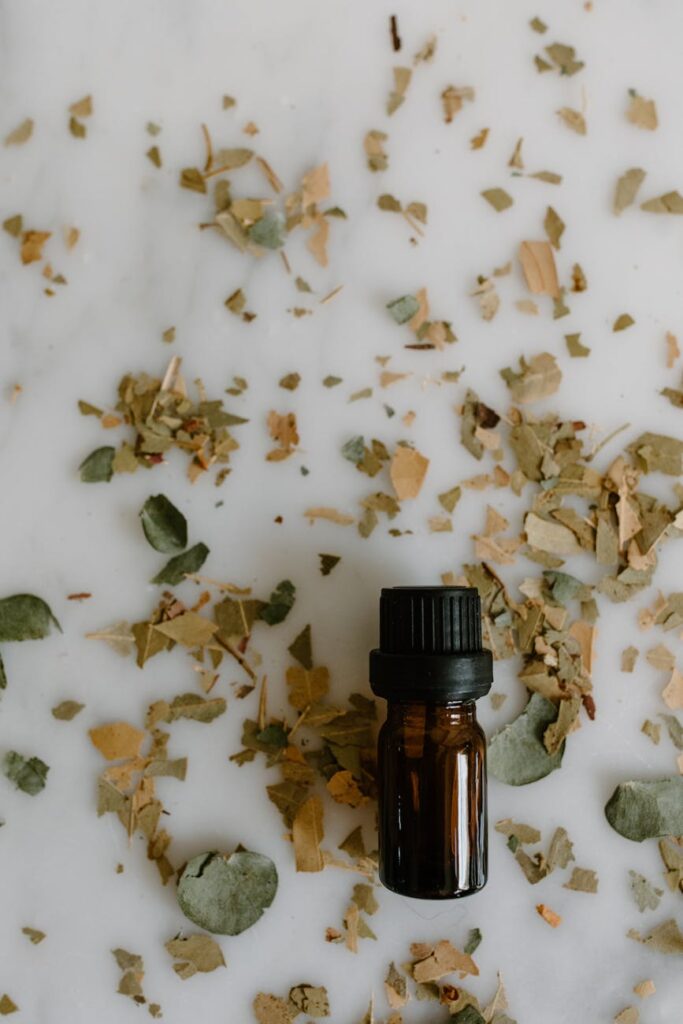
Health Benefits of Herbal Poultices
Introduction
Herbal poultices are a traditional form of natural therapy that has been utilized across various cultures for centuries. These applications involve the use of fresh or dried herbs that are crushed and mixed with a liquid to create a paste, which is then applied directly to the skin. This method of treatment is valued for its ability to deliver the therapeutic properties of plants directly to targeted areas, often providing localized relief and support for various health concerns. In this article, we will explore the nature of herbal poultices, their benefits, common uses, and important safety considerations.
What Is Herbal Poultices?
An herbal poultice is essentially a soft, moist mass of plant material that is applied to the body. The basic process of creating a poultice can be summarized in a few steps:
1. Selection of Herbs: First, appropriate herbs are chosen based on the desired therapeutic effects. Common options include chamomile, comfrey, and ginger, among others.
2. Preparation: The selected herbs are either dried or fresh. Fresh herbs are usually crushed or pounded to release their essential oils and juices, while dried herbs may be rehydrated in hot water or another liquid.
3. Application: The prepared mixture is then spread onto a clean cloth or directly onto the skin and secured in place. This allows the active compounds in the herbs to penetrate the skin and exert their effects.
4. Duration: Poultices are typically left in place for a specified period, which can vary depending on the herbs used and the condition being treated.
This method is often used in conjunction with other forms of natural therapies, including aromatherapy, to enhance overall health and wellness.
Key Benefits and Properties
Herbal poultices offer a range of potential benefits, largely due to the medicinal properties of the herbs used. Some key benefits include:
1. Anti-inflammatory Effects
Many herbs possess anti-inflammatory properties that can help reduce swelling and pain. For example, willow bark contains salicin, a compound similar to aspirin, which may alleviate discomfort associated with inflammation.
2. Analgesic Properties
Certain herbs can act as natural pain relievers. For instance, ginger is known for its analgesic effects, which can be beneficial in treating muscle aches and joint pain.
3. Antiseptic Qualities
Herbs such as calendula and thyme have antiseptic properties, making them useful for preventing infection in minor cuts, scrapes, and other skin irritations.
4. Improved Circulation
Herbs like cayenne and horse chestnut can stimulate blood flow when applied topically, potentially aiding in the healing process by delivering essential nutrients to the affected area.
5. Relaxation and Stress Relief
Using calming herbs like lavender in poultices can promote relaxation and stress relief, enhancing overall emotional well-being.
Common Uses
Herbal poultices can be employed for a myriad of conditions, including but not limited to:
1. Muscle and Joint Pain
Muscle strains, joint pain, and arthritis are common issues that can be alleviated through the application of herbal poultices containing anti-inflammatory and analgesic herbs.
2. Skin Conditions
Conditions such as eczema, psoriasis, and minor burns may benefit from poultices made with soothing herbs like chamomile and calendula, which possess skin-healing properties.
3. Respiratory Issues
Poultices applied to the chest can provide relief from congestion and respiratory discomfort. Herbs like eucalyptus or peppermint can open airways and ease breathing.
4. Digestive Problems
Some poultices, when applied to the abdomen, may alleviate symptoms of digestive distress, such as bloating or cramping. Ginger or peppermint poultices can be particularly beneficial.
5. Insect Bites and Stings
Poultices made with herbs like plantain can provide relief from itching and inflammation caused by insect bites or stings.
Aromatherapy Applications
Aromatherapy and herbal poultices can complement each other beautifully. Essential oils extracted from various plants can be added to herbal poultices to enhance their therapeutic effects. For instance:
- Lavender Oil: Known for its calming properties, lavender oil can be added to a chamomile poultice for both pain relief and relaxation.
- Tea Tree Oil: With its antiseptic qualities, tea tree oil can be incorporated into a poultice for treating minor wounds or skin irritations.
- Peppermint Oil: Adding peppermint oil to a poultice can enhance its cooling effect, making it ideal for headaches or muscle tension.
- Fresh Poultices: These should be used immediately after preparation for maximum effectiveness. They can be stored in the refrigerator for a short period but should be discarded if they show any signs of spoilage.
- Dried Poultices: If using dried herbs, store them in an airtight container in a cool, dark place. Properly stored dried herbs can last for several months to a few years, depending on the type.
- Prepared Poultices with Essential Oils: If you create a poultice that includes essential oils, it is advisable to use it within a week for optimal potency.
When using essential oils in conjunction with herbal poultices, it is essential to dilute them appropriately and conduct a patch test to avoid skin sensitivities.
Safety Considerations
While herbal poultices are generally safe, a few precautions should be observed:
1. Allergies and Sensitivities
Always ensure that neither the herbs nor the essential oils used in the poultice are allergenic to the individual. Conducting a patch test on a small area of skin can help identify any adverse reactions.
2. Avoid Open Wounds
Herbal poultices should not be applied to open wounds or broken skin unless specifically advised by a qualified healthcare professional, as this could lead to infection.
3. Cleanliness
Ensure that all materials used in the preparation and application of the poultice are clean to reduce the risk of infection.
4. Consultation
While poultices can be beneficial, individuals with underlying health conditions or those who are pregnant should consult with a healthcare provider before using herbal poultices.
Storage and Shelf Life
The shelf life of herbal poultices largely depends on the ingredients used:
Frequently Asked Questions
1. How often can I use an herbal poultice?
The frequency of use will depend on the specific condition being treated. Generally, poultices can be applied several times a day, but it is essential to listen to your body and consult a healthcare provider for personalized advice.
2. Can I mix different herbs in a poultice?
Yes, combining herbs that complement each other can enhance the therapeutic effects of a poultice. However, it is essential to ensure that the herbs used are compatible and safe when combined.
3. Are there any contraindications for using herbal poultices?
Certain conditions, such as severe allergies, open wounds, or specific skin conditions, may contraindicate the use of herbal poultices. Always consult with a healthcare provider if in doubt.
4. Can children use herbal poultices?
While many herbal poultices are safe for children, it is crucial to use age-appropriate herbs and to consult a healthcare provider for guidance.
5. Can I use dried herbs instead of fresh ones?
Yes, dried herbs can be used effectively in poultices. Just ensure to rehydrate them adequately before application.
Conclusion
Herbal poultices offer a fascinating intersection of tradition and natural healing, providing a simple yet effective way to harness the power of plants. With their diverse applications and potential benefits, they serve as a valuable addition to natural health practices. However, as with any form of therapy, it is important to approach their use with mindfulness, ensuring safety and compatibility with individual health needs. By understanding the properties and applications of herbal poultices, individuals can enhance their wellness journey with the rich healing heritage of herbal medicine.