
Health Benefits of Herbal Remedies
Introduction
Herbal remedies have been utilized for centuries across various cultures as a natural approach to health and wellness. Derived from plant extracts, these remedies encompass a wide range of applications, from treating common ailments to enhancing overall well-being. In an era increasingly focused on holistic health, understanding the benefits, applications, and safety of herbal remedies is essential for anyone interested in natural healing modalities.
What Are Herbal Remedies?
Herbal remedies refer to the use of plants and plant extracts for medicinal purposes. Unlike pharmaceuticals, which are often synthesized in laboratories, herbal remedies utilize the natural compounds found in various parts of plants, including leaves, roots, flowers, and seeds. These remedies can take various forms, including teas, tinctures, capsules, oils, and salves. Different cultures have developed unique approaches to herbal medicine, with traditional practices like Traditional Chinese Medicine (TCM) and Ayurveda placing significant emphasis on the therapeutic properties of herbs.
Key Benefits and Properties
The health benefits of herbal remedies are diverse and often depend on the specific plant being used. Here are some of the key benefits and properties associated with various herbal remedies:
1. Anti-Inflammatory Properties: Many herbs possess anti-inflammatory compounds that can help reduce inflammation in the body. For instance, turmeric is well-known for its active ingredient, curcumin, which has been studied for its anti-inflammatory effects.
2. Antioxidant Activity: Herbs like green tea and rosemary are rich in antioxidants, which help neutralize free radicals in the body. This can contribute to overall health by reducing oxidative stress and potentially lowering the risk of chronic diseases.
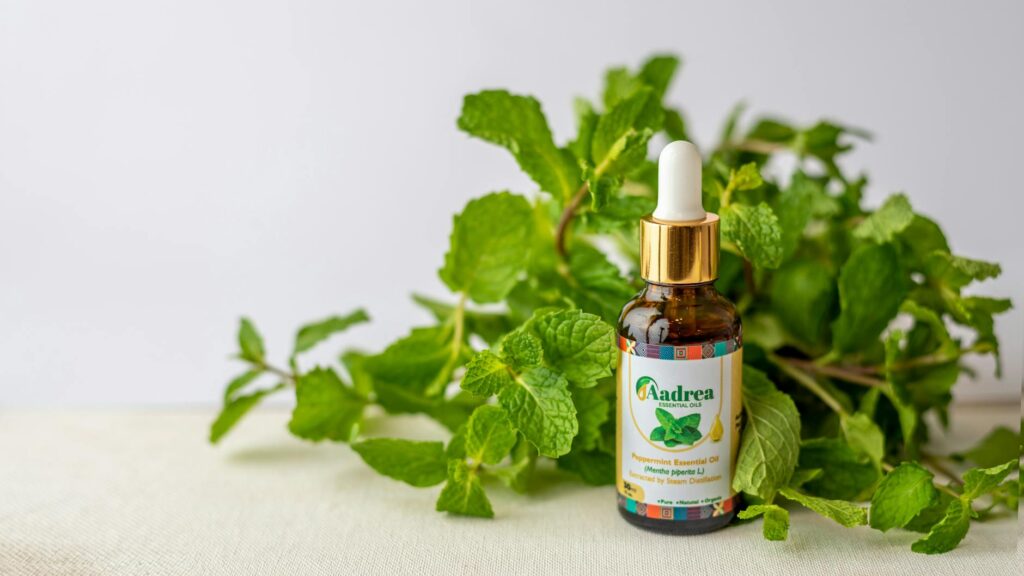
3. Digestive Support: Certain herbs, such as peppermint and ginger, have been traditionally used to support digestive health. They may help alleviate symptoms like bloating and nausea.
4. Mood Enhancement: Some herbs are believed to have mood-stabilizing properties. For example, St. John’s Wort is often associated with supporting emotional well-being and may help alleviate symptoms of mild depression.
5. Immune System Boost: Herbs like echinacea and elderberry are commonly used to support the immune system, particularly during cold and flu season.
6. Antimicrobial Effects: Certain herbs possess antimicrobial properties that can help combat infections. Garlic, for instance, has been recognized for its potential antibacterial and antifungal effects.
Common Uses
Herbal remedies can be applied in various contexts, depending on the specific needs of individuals. Some common uses include:
- Preventive Health: Many people incorporate herbal remedies into their daily routines for overall health maintenance. For example, consuming herbal teas made from chamomile or hibiscus can promote relaxation and hydration.
- Ailment Relief: Herbal remedies are frequently employed to alleviate specific health concerns. For example, valerian root is often used for its calming effects, while ginger is commonly used to soothe digestive discomfort.
- Skin Care: Many herbs, such as aloe vera and calendula, are utilized in topical applications for their soothing and healing properties.
- Pain Management: Some herbal remedies are known for their analgesic effects. Willow bark, for instance, contains salicin, a compound similar to aspirin and is often used for pain relief.
- Stress Relief: Essential oils such as lavender and bergamot are well-known for their calming effects, often used in diffusers or during massage to promote relaxation.
- Mood Upliftment: Citrus oils like lemon and orange are frequently used to enhance mood and energy levels, making them popular choices in aromatherapy blends.
- Sleep Support: Essential oils such as chamomile and cedarwood are often employed to create a calming environment conducive to restful sleep.
- Respiratory Support: Eucalyptus and peppermint oils are commonly used to support respiratory health and are often incorporated into steam inhalations or diffusions.
- Consultation with Experts: Before starting any new herbal regimen, it is advisable to consult with a healthcare professional, especially for individuals with pre-existing medical conditions or those taking prescription medications.
- Quality of Products: The quality and purity of herbal products can vary widely. It is important to choose reputable brands and check for third-party testing to ensure the absence of contaminants.
- Allergic Reactions: Just as with any substance, some individuals may experience allergic reactions to specific herbs. Conducting a patch test or starting with a small amount may help minimize the risk of adverse reactions.
- Dosage Awareness: Proper dosages are crucial for the effectiveness of herbal remedies. Overconsumption of certain herbs can lead to toxicity or adverse effects.
- Pregnancy and Nursing: Pregnant and nursing individuals should exercise particular caution as some herbs may not be safe during these periods.
- Cool, Dark Place: Most herbal remedies should be stored in a cool, dark place, away from direct sunlight and heat, to prevent degradation of active compounds.
- Sealed Containers: Using airtight containers can help preserve the potency of herbal products by minimizing exposure to air and moisture.
- Expiration Dates: Many herbal products have a shelf life ranging from one to three years, depending on the type of product and its ingredients. Always check expiration dates and discard any products that have passed their shelf life.
Aromatherapy Applications
Aromatherapy is a branch of herbal medicine that focuses on the use of essential oils derived from plants. These concentrated extracts capture the essence of the plant and are used for their aromatic and therapeutic properties. Common applications of aromatherapy include:
Safety Considerations
While herbal remedies can offer numerous benefits, it is important to approach them with caution. Here are some essential safety considerations:
Storage and Shelf Life
Proper storage of herbal remedies is essential for maintaining their efficacy. Here are some guidelines for storage and shelf life:
Frequently Asked Questions
1. Are herbal remedies safe for everyone?
While many individuals can safely use herbal remedies, those with specific health conditions, pregnant or nursing individuals, and those taking medications should consult with a healthcare professional before use.
2. Can I use herbal remedies alongside conventional medicine?
Herbal remedies can often complement conventional treatments, but it is crucial to inform healthcare providers of any herbal products being used to avoid potential interactions.
3. How long does it take to see results from herbal remedies?
The time it takes to experience results from herbal remedies can vary widely depending on the individual, the specific herb, and the condition being addressed. Some may notice improvements within a few days, while others may require weeks.
4. Are there any side effects associated with herbal remedies?
While generally considered safe, some herbal remedies can cause side effects, especially when taken in excessive amounts. It is vital to adhere to recommended dosages and monitor for any adverse reactions.
5. Where can I find quality herbal remedies?
Quality herbal remedies can be found in health food stores, specialty herbal shops, and online retailers. Always choose reputable brands, and when possible, look for products that have undergone third-party testing.
Conclusion
Herbal remedies represent a rich tradition of natural healing that continues to intrigue and inspire individuals worldwide. With a comprehensive understanding of their benefits, applications, and safety considerations, one can explore the world of herbal remedies with confidence. Whether used for preventive health, specific ailments, or overall wellness, these natural solutions offer a pathway to a holistic approach to health. As with any health-related endeavor, knowledge and caution are key to unlocking the potential of herbal remedies.