
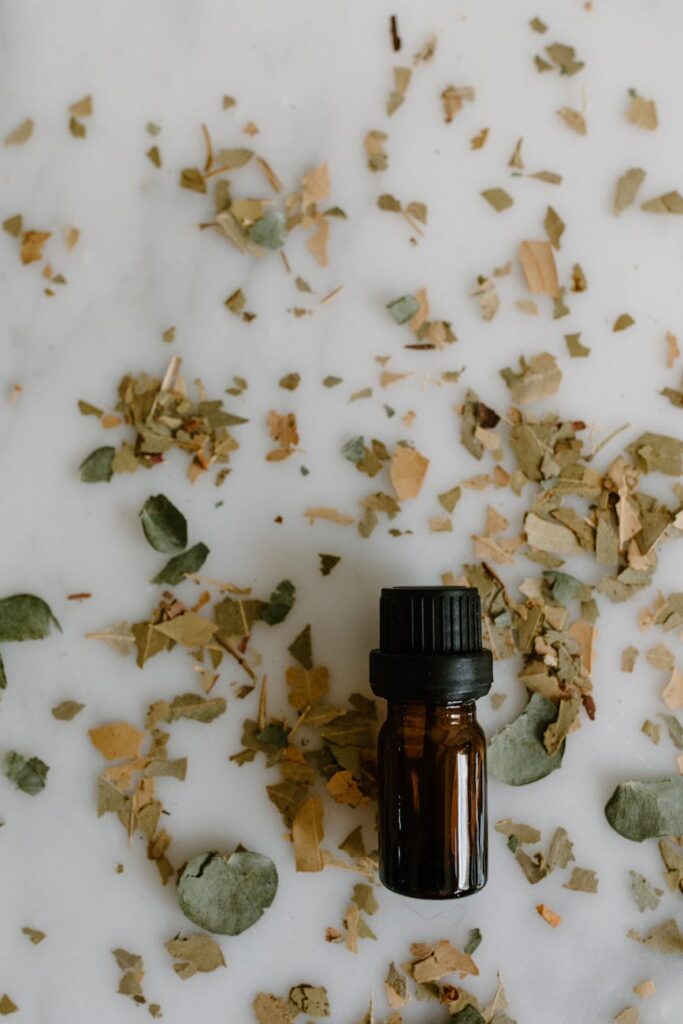
Health Benefits of Herbal Respiratory Relief Essential Oil Blends
Introduction
Essential oils have been utilized for centuries, revered for their aromatic properties and therapeutic benefits. Among the myriad of blends available, herbal respiratory relief essential oil blends stand out for their potential to support respiratory health. These blends often consist of a harmonious combination of various essential oils derived from plants known for their soothing and invigorating properties. This article explores the composition, benefits, and applications of these essential oil blends, providing a comprehensive overview for those interested in enhancing their wellness through aromatherapy.
What Is Herbal Respiratory Relief Essential Oil Blends?
Herbal respiratory relief essential oil blends are specifically formulated combinations of essential oils that aim to support respiratory function. These blends typically include oils extracted from plants known for their beneficial effects on the respiratory system. Common ingredients often found in these blends include eucalyptus, peppermint, tea tree, rosemary, and lavender, among others. Each oil brings its unique characteristics, working synergistically to create a powerful blend.
The primary goal of these blends is to promote clearer breathing, ease congestion, and create a soothing environment for the respiratory tract. While the effectiveness of these blends may vary from person to person, many individuals find them helpful for enhancing overall respiratory comfort.
Key Benefits and Properties
1. Decongestant Properties
Many essential oils in respiratory relief blends, such as eucalyptus and peppermint, have decongestant properties. These oils can help clear mucus and phlegm from the airways, making it easier to breathe.
2. Antimicrobial Effects
Certain essential oils, like tea tree and oregano, are known for their antimicrobial properties. These oils may help to reduce the presence of pathogens in the respiratory tract, supporting the body’s natural defenses.
3. Anti-inflammatory Benefits
Essential oils such as rosemary and lavender are recognized for their anti-inflammatory effects. By reducing inflammation in the respiratory tissues, these oils can help alleviate discomfort associated with congestion or irritation.
4. Calming and Relaxing Effects
Many herbal oils have calming properties. Oils like lavender and chamomile can promote relaxation and help reduce stress, which is beneficial for those experiencing respiratory distress or anxiety.
5. Enhanced Air Quality
Using essential oil blends in a diffuser can improve air quality by dispersing aromatic compounds into the environment. This can create a refreshing atmosphere that may help support respiratory well-being.
Common Uses
Herbal respiratory relief essential oil blends can be used in various ways:
1. Diffusion
Using a diffuser to disperse essential oils into the air is one of the most common applications. This method allows the aromatic compounds to fill a room, providing a welcoming and soothing atmosphere.
2. Inhalation
Inhaling essential oils directly from the bottle or through steam inhalation can deliver immediate aromatic benefits. A few drops of the blend in a bowl of hot water can create a steam inhalation experience.
3. Topical Application
Diluting essential oils with a carrier oil, such as jojoba or coconut oil, allows for safe topical application. Massaging the blend onto the chest, back, or throat can provide localized relief.
4. Bathing
Adding essential oil blends to a warm bath can create a soothing experience. The combination of heat and aroma can enhance relaxation while providing respiratory support.
5. Room Sprays
Creating a room spray with essential oils can freshen the environment. This is particularly useful in spaces where air quality may be compromised.
Aromatherapy Applications
Aromatherapy is the practice of using aromatic plant extracts to enhance physical and emotional well-being. Herbal respiratory relief essential oil blends can be integrated into various aromatherapy practices:
1. Meditation and Relaxation
Incorporating these blends during meditation or relaxation sessions can enhance the experience. The calming aromas can help center the mind and facilitate deeper breathing.
2. Yoga Practices
Using essential oils in a yoga setting can promote relaxation and focus during practice. Diffusing the blend or applying it to pulse points can create a serene environment.
3. Spa Treatments
Spa facilities often utilize essential oil blends in treatments such as massages and facials. The therapeutic scents can enhance the overall experience and provide respiratory support.
4. Sleep Enhancement
Some individuals find that diffusing respiratory blends at night can promote easier breathing while sleeping, potentially leading to a more restful night.
Safety Considerations
While essential oils are generally safe when used properly, it is essential to consider the following safety guidelines:
1. Dilution
Always dilute essential oils with a carrier oil before applying them to the skin to avoid irritation. A common guideline is to use a dilution ratio of 2-3% for topical applications.
2. Allergies and Sensitivities
Individuals with allergies or sensitivities should perform a patch test before using a new essential oil blend. If irritation occurs, discontinue use.
3. Pregnant and Nursing Women
Pregnant and nursing women should consult a healthcare provider before using essential oils, as some oils may not be safe during these periods.
4. Children and Pets
Essential oils should be used with caution around children and pets, as their sensitivities can vary. It is advisable to seek guidance regarding which oils are safe for these groups.
Storage and Shelf Life
Proper storage of essential oils is crucial for maintaining their potency and aroma:
1. Storage Conditions
Store essential oils in a cool, dark place, away from direct sunlight and heat sources. This can help prolong their shelf life.
2. Container Type
Use dark glass bottles to protect essential oils from light degradation. Ensure that the containers are tightly sealed to prevent oxidation.
3. Shelf Life
Most essential oils have a shelf life of 1-3 years, depending on the oil type. Citrus oils tend to have shorter shelf lives than other oils, such as patchouli or sandalwood.
Frequently Asked Questions
Q1: Can I use herbal respiratory relief essential oil blends if I have a respiratory condition?
While many individuals find these blends beneficial, it is essential to consult with a healthcare professional if you have a pre-existing respiratory condition.
Q2: Are there specific oils that should be avoided?
Certain oils, such as eucalyptus, may not be recommended for young children or those with certain health conditions. Always research and consult with a professional if unsure.
Q3: How can I create my own herbal respiratory relief blend?
Creating a blend involves selecting complementary essential oils known for their respiratory benefits. Start with a base oil, then add a few drops of each selected oil, adjusting to your preferred aroma.
Q4: Can I use these blends in a humidifier?
Not all humidifiers are designed for essential oils. Check the manufacturer’s guidelines to ensure safe usage.
Q5: How often can I use these blends?
Frequency of use can vary based on personal preference and sensitivity. Some individuals may use them daily, while others may opt for less frequent use.
Conclusion
Herbal respiratory relief essential oil blends offer a unique way to support respiratory health and enhance overall well-being through the use of aromatic plant extracts. While individual experiences may vary, understanding the properties, benefits, and applications of these blends can empower individuals to incorporate them into their wellness routines safely. As with any natural remedy, it is essential to approach usage with mindfulness and respect for the powerful properties of essential oils.