
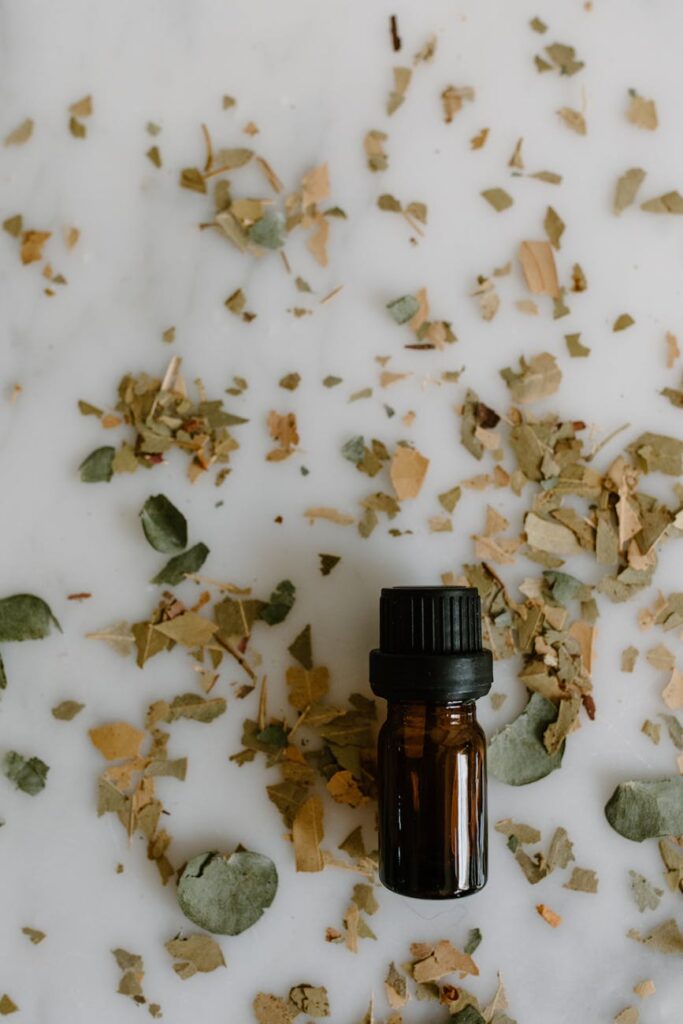
Health Benefits of Herbal Respiratory Support Aromatherapy Blends
Introduction
Aromatherapy has garnered increasing attention for its potential to enhance well-being and support various bodily functions. Among the diverse applications of essential oils, blends specifically aimed at respiratory health hold a significant place. Herbal respiratory support aromatherapy blends combine various essential oils known for their beneficial properties, particularly those affecting the respiratory system. This article will explore these blends, detailing their composition, benefits, common uses, and safety considerations.
What Is Herbal Respiratory Support Aromatherapy Blends?
Herbal respiratory support aromatherapy blends consist of carefully curated essential oils derived from plants known for their therapeutic properties. These blends are designed to support respiratory function, alleviate discomfort, and promote a sense of well-being. Common ingredients in these blends often include eucalyptus, peppermint, tea tree, and lavender, among others. Each of these oils brings unique properties that contribute to the overall efficacy of the blend.
Essential oils are concentrated plant extracts obtained through methods such as steam distillation or cold pressing. They contain the aromatic compounds that impart fragrance and therapeutic benefits to the plant. When combined in specific ratios, these oils create synergistic effects that can enhance their individual properties.
Key Benefits and Properties
1. Expectorant Qualities
Certain essential oils, such as eucalyptus and thyme, are known for their expectorant properties. These oils may help loosen mucus and phlegm, making it easier to expel and clear the airways.
2. Antimicrobial Effects
Many essential oils possess antimicrobial properties, making them effective against various pathogens. Tea tree oil, for instance, is recognized for its ability to combat bacteria and fungi, potentially supporting respiratory health by reducing the risk of infections.
3. Anti-Inflammatory Properties
Inflammation can adversely affect the respiratory system. Essential oils like lavender and chamomile have anti-inflammatory properties that may help soothe irritated tissues, promoting easier breathing.
4. Relaxation and Stress Relief
The aroma of certain essential oils can have a calming effect on the nervous system. Oils like bergamot and frankincense are often included in respiratory blends to promote relaxation, which can be beneficial during respiratory discomfort.
5. Decongestant Action
Peppermint oil is well-known for its cooling and decongestant effects, providing relief from nasal congestion and allowing for easier airflow.
Common Uses
Herbal respiratory support aromatherapy blends have a variety of applications, including:
- Inhalation: Inhaling the aroma through a diffuser or steam inhalation can provide immediate respiratory relief.
- Topical Application: Diluting essential oils with a carrier oil and applying them to the chest or back may help alleviate symptoms.
- Bath Additives: Adding these blends to a warm bath can create a soothing environment and promote relaxation.
- Massage Oils: Blending essential oils with a carrier oil for chest or back massages can enhance respiratory function while providing relaxation.
- Dilution: Always dilute essential oils before applying them to the skin to prevent irritation. A common recommendation is to use a carrier oil such as coconut, jojoba, or olive oil.
- Patch Test: Conduct a patch test on a small area of skin to check for any allergic reactions before widespread use.
- Pregnancy and Nursing: Pregnant and nursing individuals should consult with a healthcare provider before using essential oils, as some may not be safe during these times.
- Children and Pets: Certain essential oils may not be suitable for children or pets. Always research specific oils and consult resources tailored for these populations.
- Existing Health Conditions: Individuals with respiratory conditions should be cautious and consult a healthcare provider before using essential oils, particularly if they have conditions like asthma.
- Keep Away from Light: Store essential oils in dark glass bottles to protect them from light, which can degrade their quality.
- Cool Temperature: Essential oils should be stored in a cool, dry place to extend their shelf life.
- Check Expiration Dates: Essential oils can have varying shelf lives, typically ranging from 1 to 5 years. Regularly check for any changes in scent or consistency.
Aromatherapy Applications
1. Diffusion
Using a diffuser is one of the most popular methods for utilizing herbal respiratory support blends. By dispersing the essential oils into the air, the aroma can be inhaled easily, allowing for quick access to their benefits.
2. Steam Inhalation
This method involves adding a few drops of the essential oil blend to a bowl of hot water, covering the head with a towel, and breathing in the steam. This application can be particularly effective for clearing nasal passages.
3. Topical Use
Essential oils should always be diluted before topical application. A common dilution ratio is 2-3% essential oil to carrier oil. When applied to the chest, these oils can support respiratory health while providing a soothing effect.
4. Bath Soak
Incorporating essential oils into a bath can create a holistic experience. Adding a few drops of a respiratory blend to bathwater allows for both inhalation and skin absorption.
5. Inhalers
Portable inhalers can be filled with herbal respiratory blends for on-the-go support. These inhalers offer a convenient way to access the benefits of essential oils whenever needed.
Safety Considerations
While herbal respiratory support aromatherapy blends can offer numerous benefits, it is essential to consider safety guidelines:
Storage and Shelf Life
Proper storage is crucial for maintaining the efficacy of essential oils. Here are some guidelines:
Frequently Asked Questions
1. Can I create my own herbal respiratory support blend?
Yes, many individuals enjoy experimenting with their own blends. Start with well-researched essential oils known for respiratory support, and blend them according to personal preference, ensuring proper dilution.
2. How often can I use these blends?
Usage frequency can vary based on individual needs and the method of application. For inhalation, using the blend several times a day may be appropriate, while topical applications should be limited to 2-3 times daily.
3. Are there any side effects when using essential oils?
While essential oils are generally safe when used properly, side effects can include skin irritation, allergic reactions, or respiratory discomfort if inhaled in excess. Always use oils in moderation and consult with a healthcare provider if unsure.
4. Can I use essential oils if I have asthma?
Individuals with asthma should exercise caution when using essential oils. Certain oils may trigger symptoms, so it is advisable to consult a healthcare provider before use.
5. Can these blends replace traditional medications?
Herbal respiratory support aromatherapy blends should not be viewed as a replacement for traditional medications or treatments. They can complement existing health practices but should not substitute professional medical advice or treatment.
Conclusion
Herbal respiratory support aromatherapy blends offer a natural approach to enhancing respiratory health and well-being. By understanding their benefits, uses, and safety considerations, individuals can incorporate these blends into their wellness routines effectively. As with any health-related practice, informed and cautious use is essential for optimal results.