
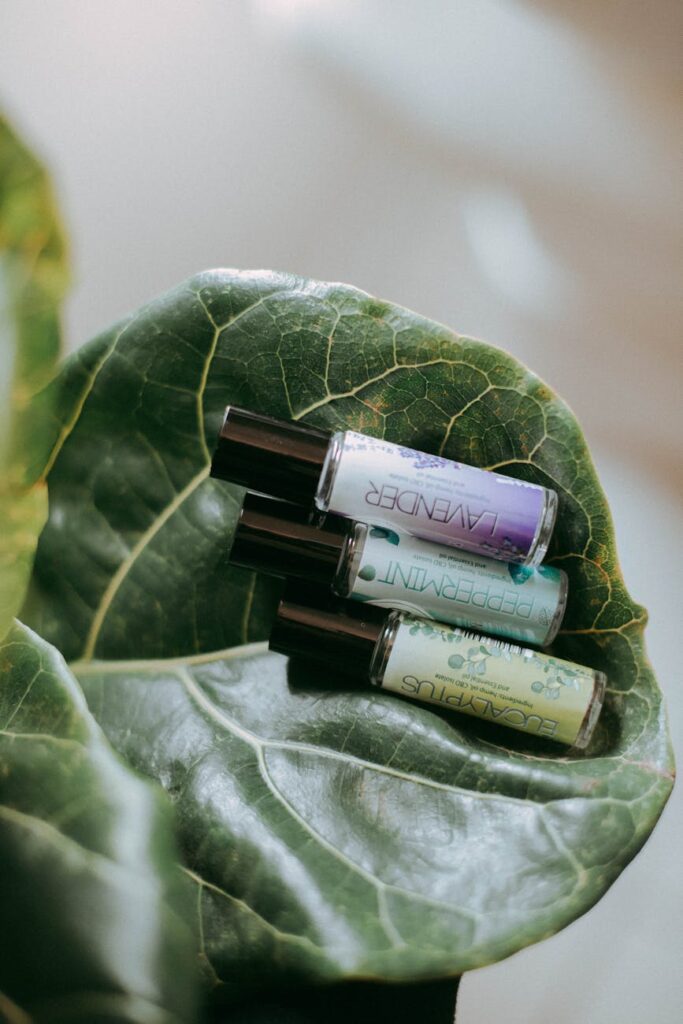
Health Benefits of Herbal Skin Care Essential Oil Blends
Introduction
In recent years, the interest in natural skincare solutions has surged, prompting many to explore the benefits of essential oils and herbal blends. Essential oils, extracted from various plant parts, possess unique properties that can enhance skin health. This article delves into the world of herbal skin care essential oil blends, highlighting their benefits, uses, and safety considerations.
What Is Herbal Skin Care Essential Oil Blends?
Herbal skin care essential oil blends are formulated combinations of essential oils derived from aromatic plants, herbs, and flowers. These blends are designed to harness the therapeutic properties of each oil to address specific skin concerns. Common oils used in these blends include lavender, tea tree, chamomile, rosemary, and geranium, among others. The synergistic effect of combining multiple oils can enhance their overall efficacy, making them a popular choice in holistic skincare routines.
Key Benefits and Properties
1. Moisturization
Many essential oils possess hydrating properties that can help maintain skin moisture levels. Oils like jojoba and sweet almond are known for their ability to penetrate deeply, providing hydration without clogging pores.
2. Anti-Inflammatory Effects
Essential oils such as chamomile and lavender have profound anti-inflammatory properties. They can help soothe irritated skin, reduce redness, and promote a more even skin tone.
3. Antimicrobial Action
Certain essential oils, particularly tea tree and eucalyptus, have antimicrobial properties. These oils can help combat acne-causing bacteria and other pathogens, making them beneficial for those with oily or acne-prone skin.
4. Antioxidant Protection
Many essential oils are rich in antioxidants, which can protect the skin from environmental stressors and premature aging. Oils like rose and frankincense are particularly noted for their antioxidant properties.
5. Balancing Oil Production
Essential oils such as geranium and rosemary can help balance oil production in the skin. This is especially beneficial for individuals with combination or oily skin types.
6. Promoting Skin Regeneration
Some essential oils, including helichrysum and carrot seed oil, are believed to promote skin cell regeneration. This can assist in healing scars, fine lines, and other skin imperfections.
Common Uses
1. Facial Serums
Herbal essential oil blends are often used in facial serums. These concentrated products can target specific skin issues, such as dryness, aging, or acne.
2. Moisturizers
Blending essential oils with carrier oils can create nourishing moisturizers that provide hydration and skin benefits.
3. Cleansers
Certain essential oils can be effective in cleansing the skin. For example, tea tree oil is frequently included in natural cleansers for its ability to remove excess oil and impurities.
4. Bath Products
Essential oil blends can enhance the experience of a bath, providing both relaxation and skin benefits. Oils like lavender and ylang-ylang are popular choices for their calming effects.
5. Massage Oils
Incorporating essential oils into massage oils can enhance the experience and provide added benefits for the skin, such as improved circulation.
Aromatherapy Applications
Aromatherapy, the practice of using scents for therapeutic benefits, can be effectively combined with herbal skin care. The inhalation of essential oil aromas can promote emotional well-being, reduce stress, and enhance the overall effectiveness of the skincare regimen. For instance:
- Calming Blends: Oils like lavender and chamomile can be diffused to create a calming atmosphere, promoting relaxation during skincare rituals.
- Energizing Blends: Citrus oils such as lemon and grapefruit can invigorate the senses, making them ideal for morning skincare routines.
- Balancing Blends: Floral oils such as geranium can help create emotional balance, complementing the physical benefits for the skin.
Safety Considerations
While essential oils offer a multitude of benefits, it is crucial to use them safely. Here are some guidelines:
1. Dilution
Essential oils are highly concentrated and should be diluted with a carrier oil before applying them directly to the skin. Common carrier oils include jojoba, coconut, and olive oil.
2. Patch Testing
Before using a new essential oil blend, it is advisable to conduct a patch test. Apply a small amount of the diluted oil to a discreet area of skin to check for any adverse reactions.
3. Avoiding Sensitive Areas
Certain areas of the skin, such as around the eyes and mucous membranes, are more sensitive. Care should be taken to avoid applying essential oils in these regions.
4. Consulting Professionals
Individuals with specific skin conditions or sensitivities should consult with a qualified healthcare professional or a certified aromatherapist before using essential oils.
5. Pregnancy and Nursing
Some essential oils are not recommended for use during pregnancy or while nursing. It is essential to research or consult a professional before using any blends in these situations.
Storage and Shelf Life
To maintain the integrity of essential oil blends, proper storage is vital. Here are some tips:
1. Dark Glass Containers
Essential oils should be stored in dark glass bottles to protect them from light exposure, which can degrade their quality over time.
2. Cool, Dry Place
Essential oil blends should be kept in a cool, dry place, away from heat sources and direct sunlight.
3. Shelf Life
Generally, essential oils can last from one to several years, depending on the type. Citrus oils may have a shorter shelf life, while oils like sandalwood and patchouli can last longer. It is advisable to check for changes in color, scent, or consistency before use.
Frequently Asked Questions
1. Can essential oils cause skin irritation?
Yes, essential oils can cause skin irritation if used undiluted or if the individual is sensitive to a particular oil. Always perform a patch test before full application.
2. How do I choose the right essential oil blend for my skin type?
Identify your skin type and specific concerns. For oily skin, look for blends with tea tree or rosemary; for dry skin, consider oils like geranium and chamomile.
3. Are herbal essential oil blends suitable for all skin types?
While many essential oils can benefit various skin types, individual reactions can vary. It’s essential to select oils based on your specific skin needs and sensitivities.
4. How often can I use essential oils for skincare?
The frequency of use depends on the specific oils and their concentrations. Generally, using a diluted blend once or twice daily is suitable for most skin types.
5. Can I create my own essential oil blends?
Yes, creating your own blends is a popular practice. Ensure you research the properties and potential interactions of the oils you choose, and always dilute them appropriately.
Conclusion
Herbal skin care essential oil blends offer a myriad of benefits, from hydration and anti-inflammatory effects to promoting skin regeneration. As interest in natural skincare solutions continues to grow, these blends provide a holistic approach to skin health. By understanding their properties, uses, and safety considerations, individuals can incorporate these oils into their daily routines effectively. However, it is essential to approach their use with care and respect for the potency of these natural extracts.