
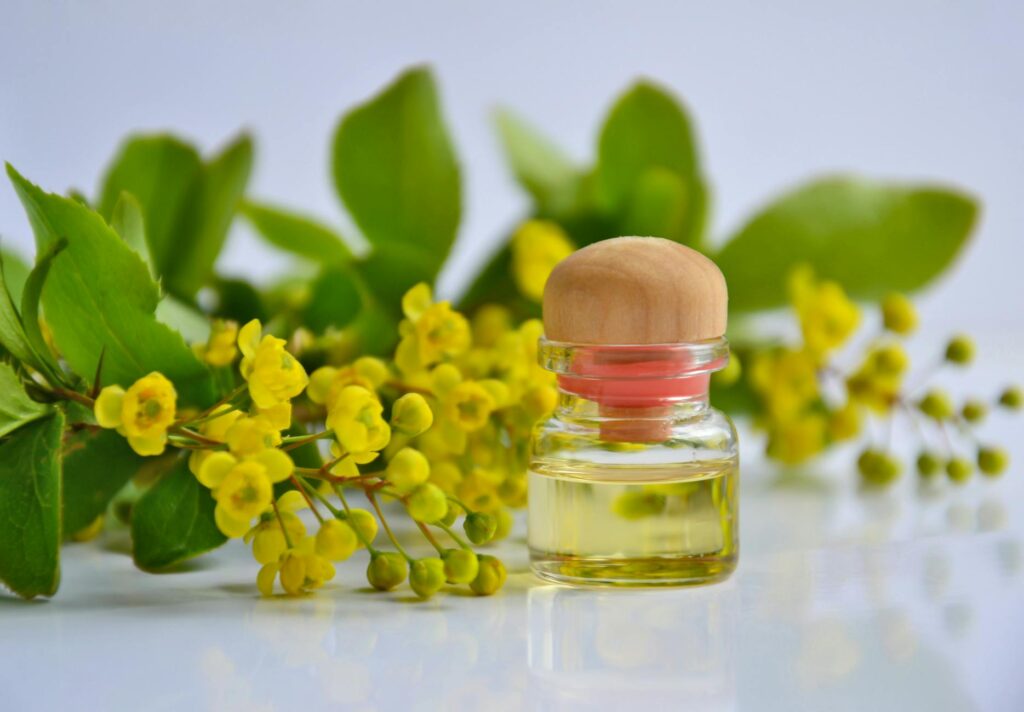
Health Benefits of Herbal Sleep Support Essential Oil Blends
Introduction
In an increasingly fast-paced world, the quest for quality sleep has become a significant concern for many individuals. Herbal sleep support essential oil blends have emerged as a popular natural approach to promote relaxation and enhance sleep quality. These blends combine various essential oils, each contributing unique properties that may help soothe the mind and body. This article delves into the composition, benefits, applications, and safe use of these herbal blends, providing a comprehensive overview for those interested in exploring this natural remedy.
What Is Herbal Sleep Support Essential Oil Blends?
Herbal sleep support essential oil blends are combinations of plant-derived oils specifically curated to promote relaxation, calmness, and an overall conducive environment for sleep. These blends often include essential oils from herbs known for their sedative and calming effects, such as lavender, chamomile, and valerian. The synergy created by these oils can enhance their individual properties, creating a holistic approach to sleep support.
Essential oils are concentrated extracts obtained from various parts of plants, including leaves, flowers, roots, and stems. They carry the plant’s aroma and therapeutic properties, making them valuable in aromatherapy and holistic wellness practices.
Key Benefits and Properties
The benefits of herbal sleep support essential oil blends can be attributed to the specific properties of the individual oils used in the formulation. Here are some key benefits:
1. Promotes Relaxation
Many essential oils used in sleep blends have calming effects that can help reduce stress and anxiety. For instance, lavender essential oil is renowned for its ability to promote relaxation and alleviate tension, making it a popular choice in herbal sleep blends.
2. Improves Sleep Quality
Certain oils, such as bergamot and vetiver, have been shown to help improve sleep quality by promoting deeper and more restful sleep. Their soothing properties can help quiet an overactive mind, allowing for a more restorative sleep experience.
3. Eases Restlessness
Blends containing chamomile and marjoram may help ease restlessness and agitation, commonly experienced before bedtime. These oils can create a calming atmosphere that encourages a smoother transition into sleep.
4. Balances Emotions
Essential oils like frankincense and ylang-ylang can help balance emotions, fostering a sense of peace and stability. This emotional equilibrium can be beneficial for individuals experiencing racing thoughts or emotional turmoil at bedtime.
5. Supports Mindfulness and Meditation
Incorporating herbal sleep support essential oil blends into a nighttime routine can enhance mindfulness practices, such as meditation or deep breathing exercises. The aromatic qualities of the oils can deepen relaxation and create a serene environment.
Common Uses
Herbal sleep support essential oil blends can be utilized in various ways, catering to individual preferences and lifestyles. Here are some common applications:
1. Diffusion
Using an essential oil diffuser is one of the most popular methods for dispersing the aromatic properties of herbal blends into the air. Diffusion allows for the even distribution of the oils in a room, creating a calming atmosphere conducive to sleep.
2. Topical Application
Many individuals opt for topical application of diluted essential oils on pulse points, such as wrists, temples, or the nape of the neck. This method allows for direct absorption of the oils through the skin, enhancing their calming effects. It is crucial to dilute essential oils with a carrier oil for safe topical use.
3. Bath Soaks
Adding herbal sleep support essential oil blends to a warm bath can create a soothing pre-sleep ritual. The warmth of the water combined with the aromatic oils can help relax tense muscles and promote a peaceful mindset.
4. Pillow Sprays
Creating a pillow spray by mixing essential oils with water in a spray bottle can provide a gentle aromatic experience throughout the night. Spritzing this blend onto pillows and bed linens can enhance the sleep environment.
5. Sleep Masks
Incorporating herbal sleep support essential oils into sleep masks can provide a direct aromatic experience. This method can enhance relaxation by enveloping the senses in calming scents.
Aromatherapy Applications
Aromatherapy is a holistic practice that utilizes essential oils to promote physical and emotional well-being. When it comes to herbal sleep support blends, the following aromatherapy applications can be particularly beneficial:
1. Sleep Rituals
Establishing a nightly sleep ritual that incorporates aromatherapy can signal the body that it is time to wind down. This might include diffusing essential oils, practicing deep breathing, and engaging in calming activities such as reading or gentle stretching.
2. Meditation and Relaxation Techniques
Integrating herbal sleep support essential oils into meditation practices can enhance focus and tranquility. Deep inhalation of calming scents can facilitate a meditative state, making it easier to let go of stress and prepare for sleep.
3. Mindful Breathing
Practicing mindful breathing while inhaling the aromas of herbal sleep support blends can deepen relaxation. A simple technique involves inhaling deeply through the nose, holding the breath for a moment, and then exhaling slowly through the mouth.
Safety Considerations
While herbal sleep support essential oil blends can offer numerous benefits, it is important to use them safely. Here are some key safety considerations:
1. Dilution
Essential oils are highly concentrated and should be diluted with a carrier oil before topical application to minimize the risk of skin irritation. A common dilution ratio is 2-3 drops of essential oil per teaspoon of carrier oil.
2. Allergies and Sensitivities
Individuals with allergies or sensitivities should perform a patch test before using a new essential oil or blend. Apply a small amount of diluted oil to a discreet area of skin and monitor for any adverse reactions.
3. Consultation
Pregnant or nursing individuals, as well as those with underlying health conditions, should consult with a healthcare professional before using essential oils to ensure safety and appropriateness.
4. Children and Pets
Certain essential oils may not be suitable for use around children or pets. It is vital to research specific oils and their safety profiles when considering use in households with young children or animals.
Storage and Shelf Life
Proper storage of essential oils is essential to maintain their potency and extend shelf life. Here are some guidelines for storing herbal sleep support essential oil blends:
1. Dark Glass Containers
Essential oils should be stored in dark glass bottles to protect them from light exposure, which can degrade their quality. Amber or cobalt blue bottles are commonly used for this purpose.
2. Cool, Dry Places
Essential oils should be kept in a cool, dry place away from direct sunlight and heat sources. High temperatures can alter the chemical composition of the oils, leading to a reduction in efficacy.
3. Shelf Life
The shelf life of essential oils can vary depending on the type of oil and storage conditions. Generally, most essential oils last between 1 to 3 years when stored correctly. It is advisable to label bottles with the purchase date to track freshness.
Frequently Asked Questions
1. How do I choose the right blend for sleep?
Choosing the right blend often involves personal preference and individual needs. Experimenting with different oils such as lavender, chamomile, or sandalwood can help you find the most effective combination that resonates with you.
2. Can I mix my own herbal sleep support blend?
Yes, many individuals enjoy creating their own blends. Start with a base oil (like lavender or chamomile) and add complementary oils in small amounts to achieve the desired aroma and effects.
3. How often can I use herbal sleep support essential oil blends?
These blends can be used nightly as part of a calming bedtime routine. However, it is essential to listen to your body and adjust usage as needed.
4. Are there any essential oils I should avoid?
Certain essential oils, such as rosemary and citrus oils, may be energizing rather than calming. It is advisable to avoid these oils in sleep support blends and focus on those known for their relaxing properties.
5. Can I use essential oils during pregnancy?
Pregnant individuals should exercise caution and consult with a healthcare professional before using essential oils, as some oils may not be safe during pregnancy.
Conclusion
Herbal sleep support essential oil blends offer a natural and holistic approach to enhancing sleep quality and promoting relaxation. By understanding the properties, benefits, and applications of these blends, individuals can make informed choices that align with their wellness goals. Whether through diffusion, topical application, or incorporation into nightly rituals, the aromatic world of essential oils can provide a soothing sanctuary for restful slumber. Always prioritize safety and personal preferences when exploring the diverse realm of herbal sleep support essential oil blends.