
Health Benefits of Hibiscus Extract
Introduction
Hibiscus extract, derived from the vibrant flowers of the Hibiscus sabdariffa plant, has been celebrated for its striking beauty and potential health benefits for centuries. This tropical plant, native to Africa and other warm climates, is often recognized for its deep red color and tart flavor. Beyond its aesthetic appeal, hibiscus extract is increasingly gaining attention in the fields of herbal medicine, culinary arts, and aromatherapy. This article explores the characteristics, benefits, and applications of hibiscus extract, offering a comprehensive overview for those interested in its potential uses.
What Is Hibiscus Extract?
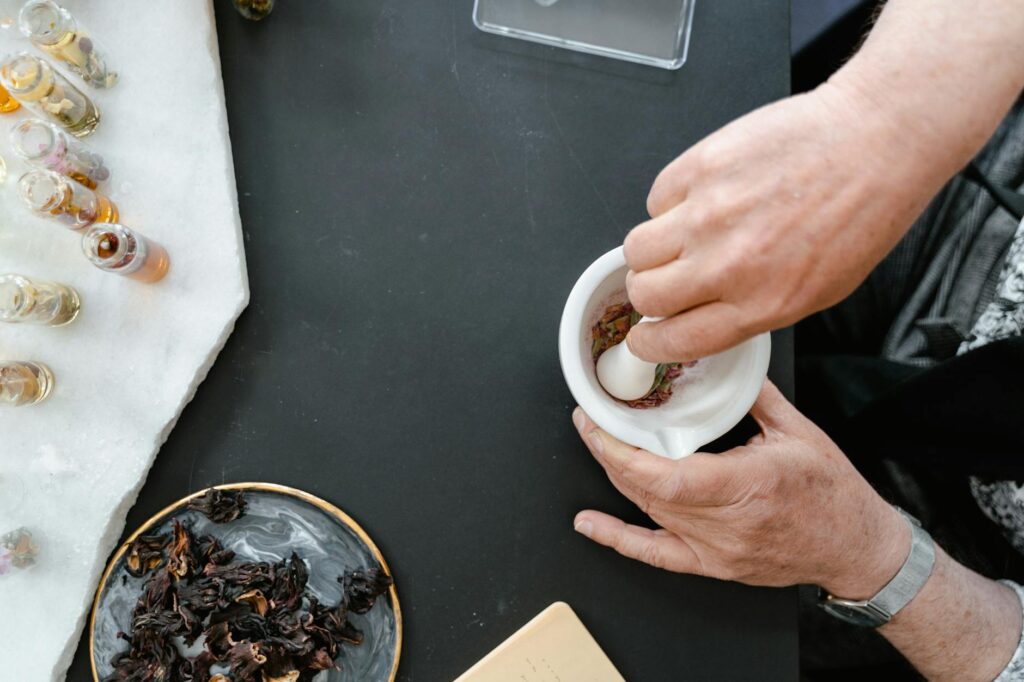
Hibiscus extract is obtained from the dried petals of the hibiscus flower, most commonly from the species Hibiscus sabdariffa. The extraction process typically involves steeping the dried flowers in a solvent such as water, alcohol, or glycerin to concentrate the beneficial compounds. The resulting extract retains the flower’s vivid color, tangy flavor, and aromatic qualities, making it a versatile ingredient in various applications.
Hibiscus flowers are rich in antioxidants, vitamins, and other bioactive compounds, which contribute to their reputed health benefits. The extract can be found in various forms, including powders, tinctures, and essential oils, each offering unique applications and benefits.
Key Benefits and Properties
Hibiscus extract is renowned for its rich nutritional profile. Here are some of its key properties and benefits:
Antioxidant Properties
Hibiscus extract is packed with antioxidants, such as flavonoids and anthocyanins, which help neutralize free radicals in the body. These compounds can contribute to overall health by reducing oxidative stress, which is linked to various chronic diseases.
Cardiovascular Support
Some studies suggest that hibiscus extract may support heart health by promoting healthy blood pressure levels and cholesterol profiles. The flavonoids in hibiscus are thought to have a positive effect on blood vessel function, potentially contributing to improved circulation.
Anti-inflammatory Effects
Hibiscus extract may also possess anti-inflammatory properties, which can help alleviate minor discomforts and promote overall well-being. The extract may support the body’s natural response to inflammation, contributing to a healthier lifestyle.
Digestive Health
Traditionally, hibiscus has been used to support digestive health. Its mild diuretic properties may help promote regularity and support kidney function. Additionally, the extract may aid in soothing the digestive tract.
Immune Support
Hibiscus extract is rich in vitamin C, an essential nutrient known for its role in supporting the immune system. Regular consumption may help enhance the body’s natural defenses against common illnesses.
Common Uses
Hibiscus extract is versatile and can be used in a variety of applications, including:
Culinary Uses
Hibiscus extract is often used in beverages, such as teas and cocktails, where its tart flavor and vibrant color can enhance the sensory experience. It can also be incorporated into syrups, jams, and desserts, providing both taste and visual appeal.
Beauty and Skincare
Due to its antioxidant properties, hibiscus extract is increasingly popular in skincare products. It can be found in creams, serums, and masks, where it may help improve skin texture and reduce the appearance of fine lines.
Herbal Remedies
Hibiscus extract is used in various herbal formulations, often combined with other botanicals to create teas and tinctures aimed at supporting health and wellness.
Aromatherapy Applications
In the realm of aromatherapy, hibiscus extract is valued for its unique fragrance and potential mood-enhancing properties. The extract can be used in diffusers, massage oils, and bath products, promoting relaxation and a sense of well-being.
Hibiscus Essential Oil
Though hibiscus extract is not as commonly produced in essential oil form, some practitioners may use hibiscus-infused oils or blends that include hibiscus extract. These aromatic formulations can be used to create calming atmospheres and enhance meditation practices.
Blending with Other Oils
Hibiscus extract can be effectively blended with other essential oils, such as lavender or chamomile, to enhance its soothing effects. Such blends can be used in various applications, from self-care routines to therapeutic massages.
Safety Considerations
While hibiscus extract is generally considered safe for most individuals when used appropriately, there are some important considerations to keep in mind:
Allergies and Sensitivities
Some individuals may experience allergic reactions to hibiscus. It is advisable to conduct a patch test when using hibiscus-infused products topically. If any signs of irritation occur, discontinue use immediately.
Pregnancy and Breastfeeding
Pregnant and breastfeeding individuals should consult their healthcare provider before using hibiscus extract in any form, as its effects during these periods are not fully understood.
Drug Interactions
Hibiscus extract may interact with certain medications, particularly those related to blood pressure and diabetes. Individuals taking such medications should consult a healthcare professional before incorporating hibiscus into their routine.
Storage and Shelf Life
To maintain the quality and efficacy of hibiscus extract, proper storage is essential. Here are some guidelines:
Storage Conditions
Hibiscus extract should be stored in a cool, dark place, away from direct sunlight and moisture. Airtight containers can help prevent oxidation and preserve the extract’s potency.
Shelf Life
The shelf life of hibiscus extract varies depending on the form in which it is stored. Generally, tinctures and powders can last for up to two years when stored properly, while infused oils may have a shorter shelf life due to their susceptibility to rancidity.
Frequently Asked Questions
How can I incorporate hibiscus extract into my diet?
Hibiscus extract can be added to beverages, such as teas and smoothies, or used as a flavoring agent in culinary dishes. It can also be enjoyed as a refreshing iced tea or in cocktails.
Is hibiscus extract safe for children?
While hibiscus extract is generally safe for children in moderate amounts, it is advisable to consult a healthcare provider before introducing it into a child’s diet or routine.
Can hibiscus extract be used in cooking?
Yes, hibiscus extract can be used in cooking and baking. Its tart flavor makes it an excellent addition to sauces, dressings, and desserts.
What are the best forms of hibiscus extract to use?
The best form of hibiscus extract depends on its intended use. Tinctures and powders are popular for herbal remedies, while infused oils are preferred for aromatherapy and skincare applications.
Are there any known side effects of hibiscus extract?
While generally considered safe, potential side effects may include stomach upset or allergic reactions in sensitive individuals. It is essential to start with small amounts and monitor for any adverse reactions.
Conclusion
Hibiscus extract is a multifaceted botanical with a rich history of use in culinary, medicinal, and aromatic traditions. Its vibrant color, delightful flavor, and potential health benefits make it a valuable addition to various applications. Whether used in teas, skincare, or aromatherapy, hibiscus extract offers a unique blend of properties that can enhance well-being. As with any botanical, it is essential to approach its use thoughtfully and with an understanding of individual sensitivities and health considerations.