
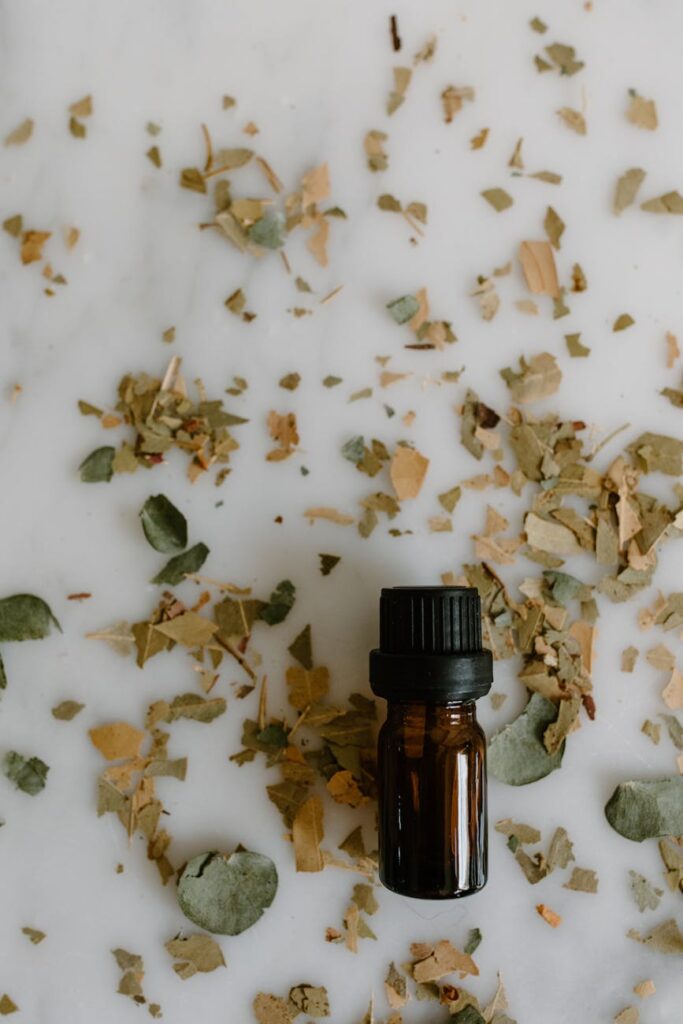
Health Benefits of Holy Basil Oil
Introduction
Holy Basil, known scientifically as Ocimum sanctum or Ocimum tenuiflorum, is a revered herb in traditional medicine, particularly within Ayurvedic practices. Its essential oil, derived from the leaves, is celebrated for its multifaceted health benefits and calming properties. This article explores the various aspects of Holy Basil oil, its key benefits, applications in aromatherapy, and important safety considerations.
What Is Holy Basil Oil?
Holy Basil oil is an essential oil extracted from the leaves of the Holy Basil plant, often referred to as Tulsi. The extraction process typically involves steam distillation, which captures the plant’s potent volatile compounds. The oil is characterized by its distinct, spicy, and herbal aroma, making it a popular choice in both therapeutic and aromatic applications.
Holy Basil is indigenous to the Indian subcontinent but is now cultivated in various tropical and subtropical regions around the world. Traditionally, it has been used not only for culinary purposes but also for its purported medicinal properties.
Key Benefits and Properties
Holy Basil oil is known for its diverse range of health benefits, largely attributed to its rich composition of phytochemicals. Some of the key properties include:
1. Adaptogenic Qualities
Holy Basil is often classified as an adaptogen, which means it may help the body adapt to stress and promote mental balance. Adaptogens are believed to stabilize physiological processes and promote homeostasis.
2. Antioxidant Activity
The oil contains various compounds, including eugenol, which exhibit strong antioxidant properties. Antioxidants play a crucial role in neutralizing free radicals, thereby potentially reducing oxidative stress and supporting overall health.
3. Anti-Inflammatory Effects
Holy Basil oil is noted for its anti-inflammatory properties. The compounds within the oil may help in reducing inflammation, which is linked to various chronic diseases.
4. Antimicrobial Properties
Research indicates that Holy Basil oil possesses antimicrobial qualities, making it effective against certain bacteria and fungi. This property has led to its use in various formulations aimed at promoting skin health and hygiene.
5. Mood Enhancement
The aromatic profile of Holy Basil oil is believed to positively influence mood and emotional well-being. Its calming effects may assist in alleviating feelings of anxiety and stress.
Common Uses
Holy Basil oil can be utilized in various ways, owing to its versatile properties:
1. Aromatherapy
In aromatherapy, it is often diffused to create a calming atmosphere. It can also be blended with other essential oils to enhance relaxation and uplift mood.
2. Skin Care
Due to its antimicrobial and anti-inflammatory properties, Holy Basil oil can be incorporated into skincare products. It may help in treating minor skin irritations and blemishes.
3. Household Products
The oil’s antimicrobial properties make it a popular ingredient in natural cleaning products. It can help purify the air and surfaces, contributing to a healthier living environment.
4. Culinary Uses
While primarily utilized for its oil, the leaves of Holy Basil are also used in various dishes, particularly in Southeast Asian cuisine. The oil can be used sparingly to enhance flavor in culinary creations.
Aromatherapy Applications
Aromatherapy employs Holy Basil oil in various methods to enhance psychological and emotional well-being. Below are some common applications:
1. Diffusion
Using a diffuser, Holy Basil oil can be dispersed into the air, creating a soothing environment. This method is particularly effective for promoting relaxation or focus during meditation or yoga sessions.
2. Inhalation
Direct inhalation of Holy Basil oil can be beneficial for quick stress relief. A few drops can be placed on a tissue or inhaler.
3. Massage
When diluted with a carrier oil, Holy Basil oil can be used in massage therapy. Its calming aroma combined with the physical benefits of massage can provide an enhanced relaxation experience.
4. Bath
Adding a few drops of Holy Basil oil to a warm bath can create a soothing and aromatic experience. This method can help relieve tension and promote relaxation.
Safety Considerations
While Holy Basil oil is generally considered safe for use, it is essential to adhere to certain guidelines:
1. Dilution
Holy Basil oil should always be diluted with a carrier oil before applying it to the skin to avoid irritation. A common ratio is one drop of essential oil to a teaspoon of carrier oil.
2. Patch Test
Before using Holy Basil oil topically, perform a patch test. Apply a small diluted amount to an inconspicuous area of skin to check for any adverse reactions.
3. Consult a Professional
Individuals who are pregnant, nursing, or have pre-existing medical conditions should consult a healthcare professional before using Holy Basil oil.
4. Keep Away from Eyes
Avoid contact with the eyes and mucous membranes. If accidental contact occurs, rinse thoroughly with carrier oil or water.
Storage and Shelf Life
To maintain the potency and aroma of Holy Basil oil, proper storage is crucial:
1. Container
Store Holy Basil oil in a dark glass bottle to protect it from light, which can degrade its quality. Ensure that the bottle is tightly sealed to prevent oxidation.
2. Temperature
Keep the oil in a cool, dry place, away from direct sunlight and heat sources. High temperatures can alter the chemical composition of essential oils.
3. Shelf Life
Typically, the shelf life of Holy Basil oil is around 1 to 2 years when stored correctly. Always check for changes in color, scent, or texture before use.
Frequently Asked Questions
1. Can Holy Basil oil be ingested?
While some sources suggest that Holy Basil oil may be safe for culinary use in small amounts, it is important to consult a qualified healthcare professional before ingestion.
2. Is Holy Basil oil safe for children?
Due to the potency of essential oils, it is advisable to consult a healthcare provider before using Holy Basil oil on children.
3. How does Holy Basil oil compare to other essential oils?
Holy Basil oil has unique properties that distinguish it from other essential oils. Its adaptogenic qualities and distinct aromatic profile set it apart, making it particularly useful for stress relief and emotional balance.
4. Can Holy Basil oil help with sleep problems?
While Holy Basil oil is known for its calming effects, individual responses may vary. It can be used in a relaxing bedtime routine, but results may differ from person to person.
5. Where can I purchase Holy Basil oil?
Holy Basil oil can be found at health food stores, specialty aromatherapy shops, and online retailers. Always opt for high-quality, pure essential oils to ensure optimal benefits.
Conclusion
Holy Basil oil is a remarkable essential oil that offers a plethora of benefits, from its adaptogenic properties to its calming aroma. Whether used in aromatherapy, skincare, or household applications, its versatility makes it a valuable addition to any wellness regimen. As with any essential oil, understanding its properties, uses, and safety precautions is essential for maximizing its benefits.