
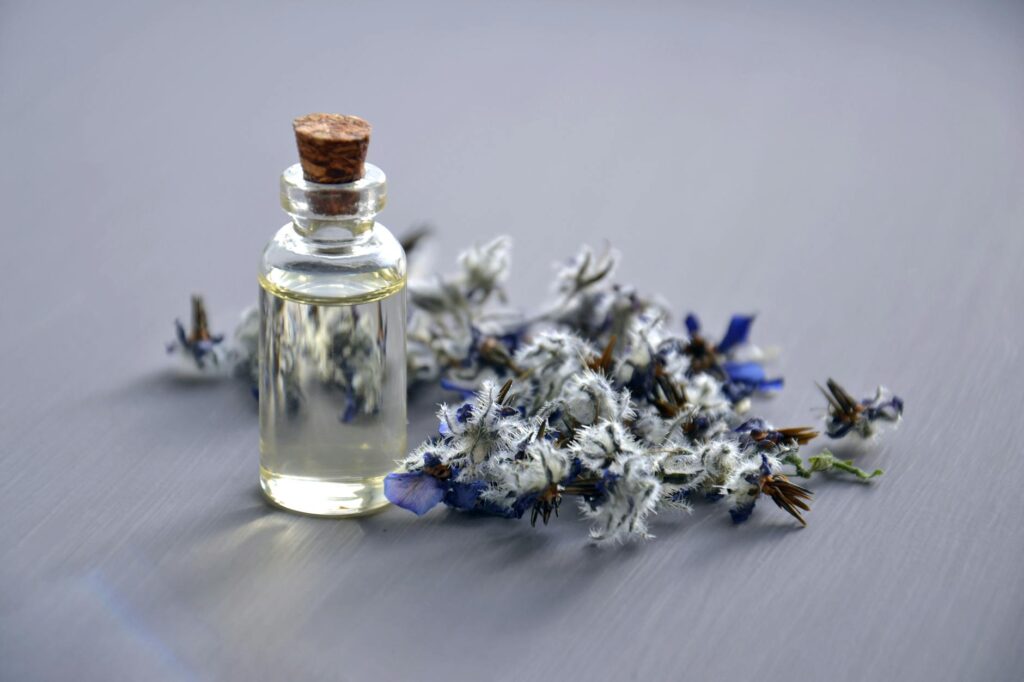
Health Benefits of Hydrodistillation of Lavender Oil
Introduction
Lavender oil, derived from the flowers of the Lavandula angustifolia plant, is one of the most popular and widely used essential oils in aromatherapy and natural health. Its soothing aroma and versatile properties have made it a staple in homes and wellness practices around the world. The method of extraction plays a crucial role in determining the oil’s quality and benefits, with hydrodistillation standing out as a traditional technique. This article explores the hydrodistillation process, the key benefits of lavender oil, its common uses, and essential safety considerations.
What Is Hydrodistillation of Lavender Oil?
Hydrodistillation is a method used to extract essential oils from plant materials, particularly flowers, leaves, and stems. In this process, water is used as a solvent to vaporize the volatile compounds present in the plant. The essential oil is collected through condensation, separating it from the water.
Process Overview
1. Preparation: Fresh or dried lavender flowers are harvested and prepared for distillation.
2. Distillation Setup: The flowers are placed in a distillation apparatus, which includes a boiling chamber filled with water.
3. Heating: The water is heated to produce steam, which passes through the plant material. The steam helps carry the volatile compounds into the vapor phase.
4. Condensation: As the steam cools, it condenses back into liquid form, separating the essential oil from the hydrosol (the aromatic water).
5. Collection: The essential oil is collected, typically floating on top of the hydrosol due to its lower density.
Hydrodistillation is favored for its ability to preserve the delicate aromatic compounds and therapeutic properties of lavender oil, making it a preferred method among distillers.
Key Benefits and Properties
Lavender oil is renowned for its wide range of benefits, attributed to its unique chemical composition. Some of the key components include linalool, linalyl acetate, camphor, and 1,8 cineole. Each of these compounds contributes to the oil’s properties.
Calming and Relaxing Effects
Lavender oil is often recognized for its calming effects on the mind and body. The presence of linalool and linalyl acetate has been linked to reduced anxiety and stress levels, making it a popular choice for relaxation practices.
Antimicrobial Properties
Research suggests that lavender oil possesses antimicrobial properties, which can help inhibit the growth of certain bacteria and fungi. This makes it valuable in various applications, including skin care and household cleaning.
Anti-inflammatory Effects
The oil may also provide anti-inflammatory benefits, which can support overall wellness and help soothe minor irritations and discomforts.
Sleep Support
Due to its relaxing properties, lavender oil is often used to promote better sleep. Many individuals incorporate it into their bedtime routines to help improve sleep quality and alleviate insomnia.
Common Uses
Lavender oil’s versatility allows it to be used in various applications, including:
Personal Care Products
- Skin Care: Lavender oil is often included in lotions, creams, and serums due to its soothing properties. It is thought to benefit skin conditions such as minor burns, cuts, and insect bites.
- Hair Care: Shampoos and conditioners may feature lavender oil for its pleasant scent and potential benefits for scalp health.
- Dark Glass Containers: Lavender oil should be stored in dark glass bottles to protect it from light, which can degrade the oil over time.
- Cool, Dry Place: Keep the oil in a cool, dry environment, away from direct sunlight and heat sources.
Household Cleaning
With its antimicrobial properties, lavender oil can be added to homemade cleaning solutions to enhance their effectiveness while imparting a fresh fragrance.
Culinary Uses
Although not as common, lavender oil can be used sparingly in culinary applications, adding a unique flavor to dishes, desserts, and beverages.
Aromatherapy Applications
Aromatherapy is one of the most popular ways to utilize lavender oil, capitalizing on its calming and soothing effects.
Diffusion
Using a diffuser, lavender oil can be dispersed into the air, creating a serene atmosphere in homes, offices, or during yoga practices. This method is particularly effective in promoting relaxation and reducing stress.
Topical Application
When diluted with a carrier oil, lavender oil can be applied to pulse points, such as wrists and temples, to enhance its calming effects. It is essential to perform a patch test to check for sensitivity before applying it to larger areas of the skin.
Bathing
Adding a few drops of lavender oil to a warm bath can create a soothing experience, helping to alleviate stress and promote relaxation. The aroma envelops the senses, enhancing the calming effects of the warm water.
Safety Considerations
While lavender oil is generally considered safe for most people, it is essential to take certain precautions:
Skin Sensitivity
Some individuals may experience irritation or allergic reactions when using lavender oil topically. Always dilute the oil with a carrier oil before applying it to the skin, and conduct a patch test.
Pregnancy and Nursing
Pregnant or nursing individuals should consult a qualified healthcare professional before using lavender oil or any essential oils.
Children
Lavender oil may be used with children, but it is crucial to dilute it properly and consult a pediatrician regarding appropriate use.
Interactions with Medications
Individuals taking medications or those with existing health conditions should consult a healthcare professional before using lavender oil to avoid potential interactions.
Storage and Shelf Life
To maintain the quality and effectiveness of lavender oil, proper storage is essential:
Storage Conditions
Shelf Life
When stored correctly, lavender oil typically has a shelf life of 3 to 5 years. However, it is advisable to check for signs of rancidity or changes in smell before use.
Frequently Asked Questions
1. Can lavender oil be ingested?
While lavender oil is sometimes used in culinary applications, ingestion should only be done under the guidance of a qualified professional. Not all essential oils are safe for consumption.
2. Is lavender oil safe for pets?
Lavender oil can be toxic to certain pets, particularly cats and some dog breeds. Always consult a veterinarian before using any essential oils around animals.
3. How can I incorporate lavender oil into my daily routine?
Lavender oil can be used in various ways, including in personal care products, diffused in your living space, added to bathwater, or applied in diluted form on pulse points.
4. What are the differences between lavender oil types?
The two most common types of lavender oil are Lavandula angustifolia (English lavender) and Lavandula latifolia (spike lavender). While both have similar properties, English lavender is often preferred for its calming effects, while spike lavender is valued for its more robust aroma and potential anti-inflammatory benefits.
5. Can I use lavender oil during pregnancy?
Pregnant individuals should consult a healthcare professional before using lavender oil or any essential oils to ensure safety.
Conclusion
Hydrodistillation of lavender oil offers a unique method of extraction that preserves the oil’s aromatic and therapeutic properties, making it a valuable addition to personal care, household products, and holistic practices. With its calming effects, antimicrobial properties, and versatility, lavender oil continues to be a cherished essential oil worldwide. As with any natural product, understanding proper usage, safety considerations, and storage is crucial for maximizing the benefits of lavender oil in daily life.