
Health Benefits of Hydrodistillation Techniques
Introduction
Hydrodistillation is a widely recognized technique for extracting essential oils from plant materials. This method has been used for centuries and remains a cornerstone of the essential oil industry today. Understanding hydrodistillation can provide insights into the properties, benefits, and applications of essential oils, making it an invaluable topic for those interested in aromatherapy and natural wellness.
What Is Hydrodistillation Techniques?
Hydrodistillation is a process that involves the extraction of essential oils through the use of water and heat. In this method, plant materials such as leaves, flowers, bark, and roots are placed in a still with water. The mixture is then heated, causing the water to evaporate. As the steam rises, it carries the essential oil molecules with it. Once cooled, the steam condenses back into liquid, separating the essential oils from the water.
This technique can be described in several key steps:
1. Preparation of Plant Material: Fresh or dried plant materials are cut or shredded to increase surface area, enhancing oil extraction.
2. Mixing with Water: The prepared plant material is submerged in water in a distillation apparatus.
3. Heating: The mixture is heated to create steam. The heat causes the essential oils to evaporate along with the water vapor.
4. Condensation: The steam is directed into a cooling chamber where it condenses back into liquid form.
5. Separation: The resulting liquid contains both water and essential oils. The essential oils are typically less dense than water and can be separated easily.
This method is particularly popular for extracting oils from aromatic plants, as it preserves the integrity of the volatile compounds better than some other extraction methods.
Key Benefits and Properties
Hydrodistillation offers numerous benefits and properties that enhance the quality and efficacy of essential oils. Some of the key advantages include:
1. Purity: This method often results in high-purity essential oils, free from solvents or chemical residues that may be present when other extraction methods are employed.
2. Preservation of Aromatic Compounds: Hydrodistillation helps retain the delicate aromatic compounds within the plant material. This ensures that the essence of the plant is captured effectively.
3. Wide Range of Extractable Oils: A diverse array of plants can be processed using hydrodistillation, making it a versatile technique for obtaining various essential oils.
4. Efficiency: Hydrodistillation can yield a significant amount of essential oil from a relatively small quantity of plant material, making it a cost-effective method for producers.
5. Natural Process: Since hydrodistillation primarily utilizes water and heat, it is considered a more environmentally friendly method compared to some synthetic extraction techniques.
Common Uses
Essential oils obtained through hydrodistillation are utilized in various fields, including:
- Aromatherapy: Many practitioners use hydrodistilled oils for their therapeutic properties and pleasant fragrances.
- Cosmetics and Personal Care: Essential oils are commonly incorporated into skincare and haircare products for their aromatic and beneficial properties.
- Food and Beverage Industry: Some essential oils are used as flavoring agents in culinary applications, adding depth and complexity to dishes.
- Household Cleaning: Natural cleaning products often include essential oils for their antibacterial and antifungal properties, enhancing the overall effectiveness of the product.
- Perfume Industry: The fragrance industry heavily relies on hydrodistilled oils to create a wide array of perfumes and scented products.
- Stress Relief: Oils such as lavender and chamomile, obtained through hydrodistillation, are renowned for their calming properties. They can be diffused or applied topically to promote relaxation.
- Mood Enhancement: Citrus oils like bergamot and sweet orange are often used to uplift mood and alleviate feelings of anxiety. Their refreshing scents are invigorating and can be used in various diffusers.
- Respiratory Support: Eucalyptus and peppermint oils, frequently extracted through hydrodistillation, are known for their invigorating and refreshing scents. They are often used in steam inhalation or diffused during cold seasons.
- Sleep Aid: Oils like vetiver and cedarwood, derived through hydrodistillation, can be beneficial for promoting restful sleep. They can be added to pillow sprays or diffused in the bedroom at night.
- Skin Care: Many hydrodistilled oils possess antiseptic and anti-inflammatory properties, making them ideal for skincare formulations. Oils such as tea tree and rosemary can help to address various skin concerns.
Aromatherapy Applications
Aromatherapy is the practice of utilizing essential oils for therapeutic purposes, and hydrodistilled oils play a crucial role in this field. Some common applications of these oils in aromatherapy include:
Safety Considerations
While hydrodistillation yields essential oils that are generally safe for use, it is important to consider certain safety guidelines:
1. Dilution: Essential oils should be diluted before topical application to avoid skin irritation. A common guideline is to use a carrier oil to dilute essential oils to a safe concentration.
2. Allergic Reactions: Individuals may experience allergic reactions to certain essential oils. A patch test should be conducted before widespread use.
3. Pregnancy and Nursing: Some essential oils may not be safe for pregnant or nursing women. It is advisable to consult with a healthcare professional before using any essential oils in these circumstances.
4. Children and Pets: Some oils can be harmful to children and pets. Always research and ensure the safety of specific oils if used around children or animals.
5. Quality Assurance: It is crucial to source essential oils from reputable suppliers to ensure quality and purity. Look for oils that have undergone testing for contaminants and meet industry standards.
Storage and Shelf Life
The shelf life of essential oils can vary based on several factors, including the type of oil and storage conditions. Generally, hydrodistilled essential oils can last from 1 to 3 years if stored correctly. To maximize their longevity:
1. Storage Conditions: Essential oils should be stored in a cool, dark place, away from direct sunlight and heat sources. Exposure to light and heat can degrade the oil’s quality over time.
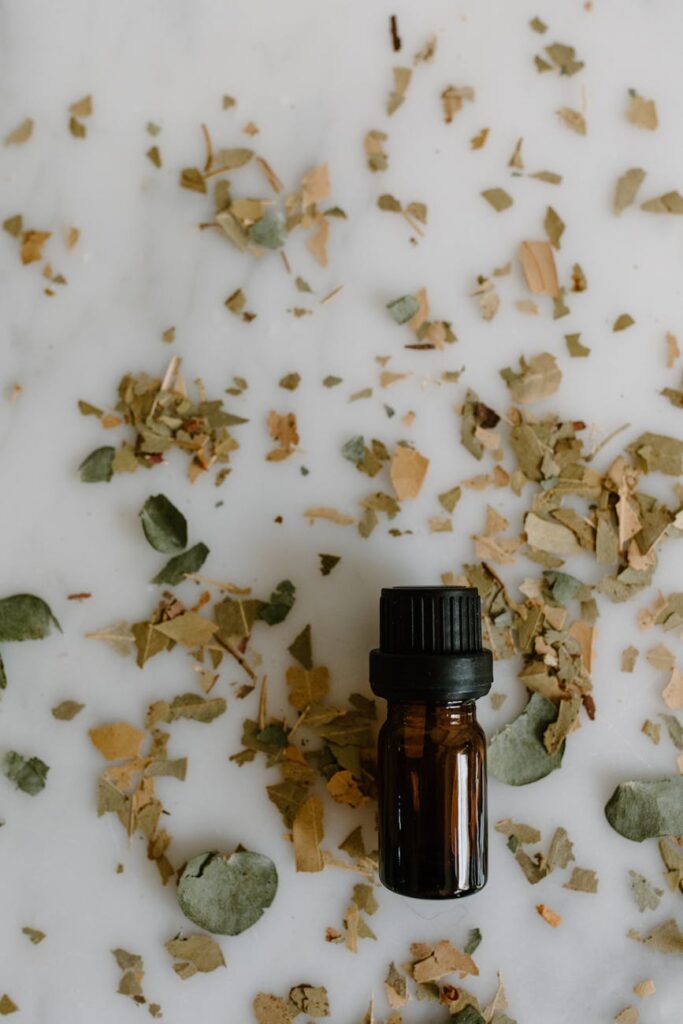
2. Container: Use dark glass bottles to store essential oils. These bottles help protect the oil from UV light, which can affect its potency.
3. Tight Sealing: Ensure that the bottles are tightly sealed to prevent oxidation, which can alter the oil’s properties.
4. Signs of Spoilage: Be aware of changes in scent, color, or viscosity. If an essential oil develops an unusual odor or appearance, it may be time to dispose of it.
Frequently Asked Questions
1. What is the difference between hydrodistillation and steam distillation?
Hydrodistillation uses water as the medium to extract essential oils, while steam distillation utilizes steam alone to carry the essential oil vapor. Both methods have their advantages, but hydrodistillation is often preferred for delicate flowers and herbs that may be damaged by direct steam.
2. Can hydrodistillation be performed at home?
While small-scale hydrodistillation can be done at home with specialized equipment, it is essential to follow safety guidelines and understand the process thoroughly. Commercial distillation units are designed for efficiency and safety, making them ideal for larger quantities.
3. How can I determine the quality of an essential oil?
Look for oils that are labeled as 100% pure essential oils. Reputable suppliers will provide information on the origin of the oil, extraction method, and results from third-party testing for purity and contaminants.
4. Are hydrodistilled essential oils safe for ingestion?
Not all essential oils are safe for ingestion. Consult with a knowledgeable practitioner or expert before consuming any essential oils, as some may be toxic when ingested.
5. How can I incorporate hydrodistilled oils into my daily routine?
Hydrodistilled essential oils can be used in various ways, including diffusing them in your home, adding a few drops to bathwater, incorporating them into skincare routines, or using them in DIY cleaning products.
Conclusion
Hydrodistillation is a valuable technique that provides access to high-quality essential oils with numerous benefits. Understanding this extraction method enhances appreciation for the properties and applications of essential oils in aromatherapy and beyond. By adhering to safety guidelines and proper storage practices, individuals can effectively incorporate these oils into their daily lives, enriching their overall well-being.