
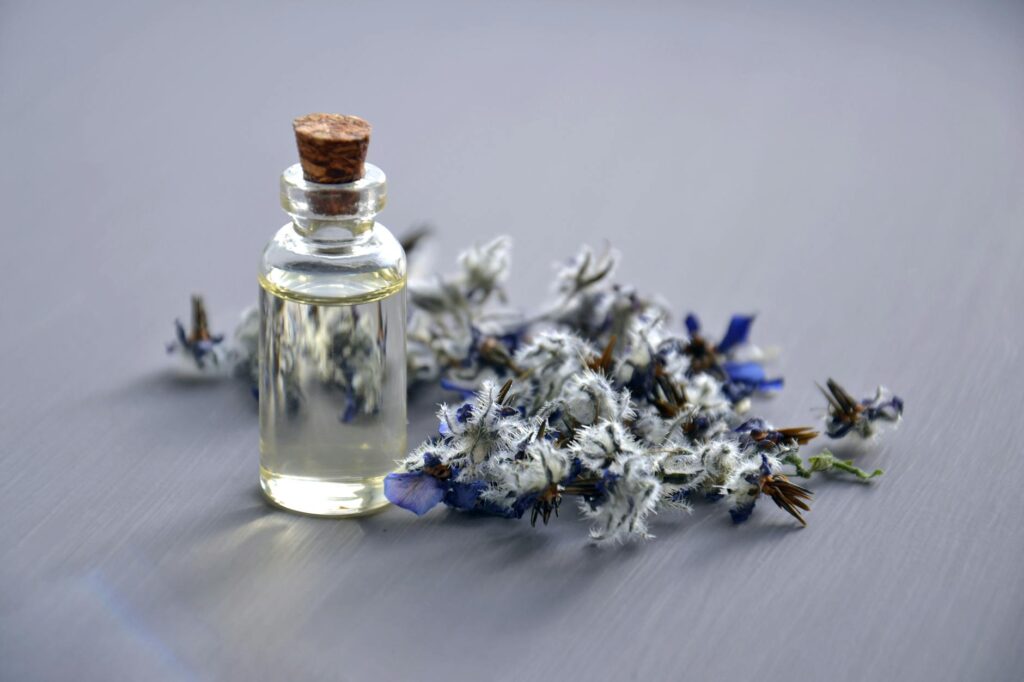
Health Benefits of Hydrosol of Lavender
Introduction
Lavender, scientifically known as Lavandula angustifolia, is renowned for its soothing fragrance and therapeutic properties. While many are familiar with lavender essential oil, hydrosol of lavender is gaining recognition for its milder effects and versatility. Derived from the steam distillation of lavender flowers, hydrosols retain the beneficial properties of the plant while being gentler on the skin and more suitable for a variety of uses. In this article, we will explore the health benefits, common applications, and safety considerations of lavender hydrosol.
What Is Hydrosol of Lavender?
Hydrosol, also known as floral water, is a byproduct of the steam distillation process used to extract essential oils from aromatic plants. During this process, steam passes through the plant material, carrying volatile compounds to create essential oil. The remaining water, which contains water-soluble compounds and trace amounts of essential oils, becomes the hydrosol. Lavender hydrosol is characterized by its light, refreshing scent and is often used in skincare, aromatherapy, and culinary applications.
Key Benefits and Properties
Lavender hydrosol boasts a variety of beneficial properties that contribute to its popularity:
1. Soothing and Calming Effects
Lavender is widely recognized for its calming properties. Hydrosol of lavender can help reduce stress and anxiety, promoting a sense of relaxation. Its gentle scent makes it a popular choice for creating a peaceful atmosphere at home or in therapeutic settings.
2. Anti-Inflammatory Properties
Lavender hydrosol possesses anti-inflammatory characteristics, which may help soothe minor skin irritations, redness, or rashes. It can be applied topically to affected areas, providing a cooling effect and promoting skin health.
3. Antimicrobial Effects
Research suggests that lavender has antimicrobial properties, making lavender hydrosol useful in cleansing and purifying the skin. It can help prevent infections and support wound healing when used appropriately.
4. Skin Hydration
Due to its hydrating qualities, lavender hydrosol can be beneficial for various skin types. It can help maintain moisture levels, making it suitable for dry or sensitive skin. Additionally, its gentle nature allows it to be used on children and those with delicate skin.
5. Mood Enhancement
The aroma of lavender is known to promote a positive mood and alleviate feelings of sadness. Spritzing lavender hydrosol in the air or on linens can create a calming ambiance conducive to relaxation and mental clarity.
Common Uses
Lavender hydrosol is incredibly versatile and can be utilized in various ways:
1. Skincare
Lavender hydrosol can be used as a facial toner, helping to balance the skin’s pH levels and reduce excess oil. It can also be added to creams and lotions for additional hydration and soothing properties.
2. Hair Care
When used as a hair mist, lavender hydrosol can help soothe the scalp and add a pleasant fragrance to the hair. It may also assist in reducing dandruff and promoting a healthy scalp.
3. Household Applications
Lavender hydrosol can serve as a natural room spray or linen spray, imparting a calming scent to your living space. It can also be used as a natural fabric freshener, replacing synthetic air fresheners.
4. Culinary Uses
In some culinary traditions, lavender hydrosol is used to flavor dishes, beverages, and desserts. Its subtle floral notes can enhance the taste of various recipes, providing a unique twist.
5. Bathing Rituals
Adding lavender hydrosol to bathwater can create a relaxing and aromatic experience. Its soothing properties can enhance the benefits of a warm bath, promoting relaxation and easing tension.
Aromatherapy Applications
In the realm of aromatherapy, lavender hydrosol is often used in practices aimed at promoting relaxation and emotional well-being. It can be incorporated into diffusers, massage oils, or personal inhalers. Here are some specific aromatherapy applications:
1. Diffusion
Using lavender hydrosol in a diffuser can spread its soothing aroma throughout a room, creating a calming environment ideal for meditation, yoga, or bedtime routines.
2. Massage
When diluted with a carrier oil, lavender hydrosol can be used in massage therapies, helping to relax tense muscles and calm the mind during a massage session.
3. Inhalation
Inhaling the scent of lavender hydrosol can provide immediate calming effects, making it a useful tool for anxiety or stress management. A simple method is to spray it into the air and take deep, calming breaths.
Safety Considerations
While lavender hydrosol is generally considered safe for most individuals, certain precautions should be observed:
1. Patch Test
Before using lavender hydrosol on the skin, it is advisable to perform a patch test to check for any allergic reactions. Apply a small amount to a discreet area and observe for any adverse effects over 24 hours.
2. Consultation with Professionals
Individuals with specific health conditions or those who are pregnant or breastfeeding should consult with a healthcare professional before using lavender hydrosol. Although it is milder than essential oils, caution is always prudent.
3. Avoid Eye Contact
As with any hydrosol or essential oil, care should be taken to avoid contact with the eyes. If contact occurs, rinse thoroughly with water.
Storage and Shelf Life
To maintain the quality of lavender hydrosol, proper storage is essential:
1. Cool, Dark Place
Store lavender hydrosol in a cool, dark place, away from direct sunlight and heat sources. This helps to preserve its aromatic and therapeutic qualities.
2. Use of Dark Glass Bottles
If possible, keep lavender hydrosol in dark glass bottles. This type of container helps protect the hydrosol from light degradation, extending its shelf life.
3. Shelf Life
Typically, lavender hydrosol has a shelf life of about 1 to 3 years, depending on storage conditions. Always check for any changes in smell, color, or clarity before use, as these may indicate that the hydrosol has degraded.
Frequently Asked Questions
1. Can lavender hydrosol be used on children?
Yes, lavender hydrosol is generally safe for children. However, it is recommended to perform a patch test and consult with a pediatrician if there are any concerns.
2. Is lavender hydrosol the same as lavender essential oil?
No, lavender hydrosol and lavender essential oil are different products. Hydrosol contains water-soluble compounds and trace amounts of essential oil, making it milder than the concentrated form of essential oil.
3. Can I drink lavender hydrosol?
While some culinary uses exist, it is essential to ensure that the hydrosol is food-grade and safe for consumption. Always check the label and consult with an expert if unsure.
4. How can I incorporate lavender hydrosol into my daily routine?
Lavender hydrosol can be used as a facial toner, room spray, hair mist, or added to baths. Explore the various applications to find what works best for you.
5. Is lavender hydrosol safe for pets?
While lavender is generally safe for many pets, it is always best to consult with a veterinarian before using any essential oil or hydrosol around animals.
Conclusion
Lavender hydrosol is a versatile and beneficial product that offers a range of properties suitable for various applications. Its soothing aroma, anti-inflammatory effects, and hydrating qualities make it a valuable addition to personal care and wellness routines. By understanding its benefits, uses, and safety considerations, individuals can incorporate lavender hydrosol into their lives for a more relaxed and balanced experience.