
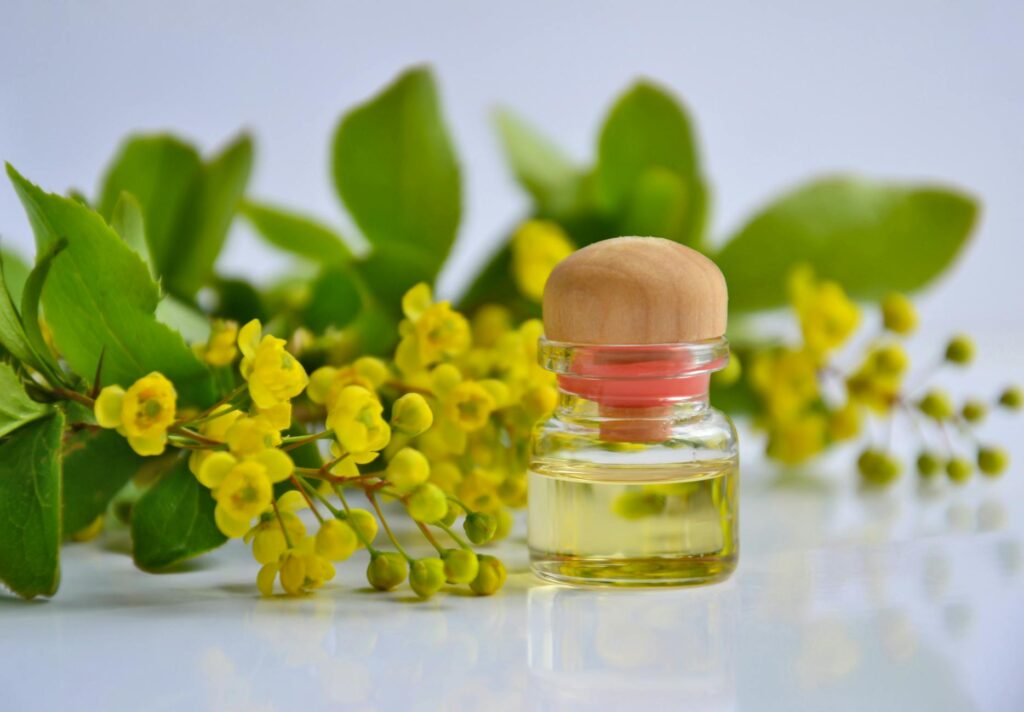
Health Benefits of Hydrosol of Rose
Introduction
Hydrosols, also known as floral waters, are the aromatic waters produced during the steam distillation of plant materials. Among the myriad of hydrosols available, rose hydrosol stands out not only for its delicate fragrance but also for its versatile applications in skincare, aromatherapy, and emotional well-being. This article explores the characteristics, benefits, and uses of rose hydrosol, providing an in-depth understanding of this botanical marvel.
What Is Hydrosol of Rose?
Rose hydrosol is the aqueous byproduct obtained during the steam distillation of rose petals, primarily from the Rosa damascena species, commonly known as Damask rose. The distillation process extracts essential oils and volatile compounds, leaving behind a fragrant and soothing water infused with the therapeutic properties of the rose.
Unlike essential oils, which are highly concentrated and potent, hydrosols contain a much lower concentration of active compounds, making them gentler and suitable for a wider range of applications. The composition of rose hydrosol includes a variety of phytochemicals, including flavonoids, phenolic compounds, and antioxidants, which contribute to its beneficial properties.
Key Benefits and Properties
Rose hydrosol is celebrated for its numerous health benefits, attributed to its unique composition:
1. Skin Soothing: Rose hydrosol is renowned for its calming and soothing effects on the skin. It can help alleviate irritation, redness, and inflammation, making it ideal for sensitive and reactive skin types.
2. Hydration: Due to its hydrating properties, rose hydrosol acts as a gentle moisturizer. It helps to balance the skin’s moisture levels, providing a refreshing sensation.
3. Antioxidant Properties: The presence of antioxidants in rose hydrosol helps combat oxidative stress, which can lead to premature aging and skin damage. Regular use may promote a more radiant complexion.
4. Antimicrobial Action: Rose hydrosol possesses mild antimicrobial properties, making it useful for cleansing the skin and potentially aiding in the prevention of minor infections.
5. Emotional Well-being: The aroma of rose is often associated with feelings of tranquility and relaxation. Rose hydrosol may help reduce stress, anxiety, and emotional turmoil, promoting an overall sense of well-being.
6. pH Balancing: The natural acidity of rose hydrosol can help balance the skin’s pH, supporting its overall health and function.
Common Uses
Rose hydrosol can be utilized in various ways, making it an adaptable addition to personal care regimens and holistic practices:
1. Facial Toner:
Rose hydrosol serves as an excellent facial toner, helping to tighten pores and prepare the skin for moisturizer. It can be applied directly to the face using a cotton pad or misted onto the skin for a refreshing boost.
2. Makeup Setting Spray:
As a natural makeup setting spray, rose hydrosol can help to set makeup and provide a dewy finish while keeping the skin hydrated throughout the day.
3. Hair Care:
In hair care, rose hydrosol can be used as a hair mist to add shine and softness. It can also help soothe the scalp and reduce dryness.
4. Bath Additive:
Adding rose hydrosol to bathwater can create a luxurious and aromatic experience, promoting relaxation and enhancing the bath’s soothing properties.
5. Compresses:
For targeted relief, rose hydrosol can be used in compresses to soothe areas of irritation or inflammation on the skin.
6. Culinary Uses:
In some cultures, rose hydrosol is used in culinary applications, such as flavoring desserts and beverages, adding a unique floral note.
Aromatherapy Applications
In aromatherapy, rose hydrosol is often used for its calming and uplifting properties. It can be diffused in a space to create a serene atmosphere, promoting relaxation during meditation or yoga practices. Additionally, it can be blended with other essential oils or hydrosols to enhance their therapeutic effects.
The gentle aroma of rose hydrosol can evoke feelings of love and compassion, making it a popular choice for emotional healing. It is frequently used in emotional support blends to alleviate feelings of sadness or anxiety and promote emotional balance.
Safety Considerations
While rose hydrosol is generally safe for most individuals, it is essential to consider the following precautions:
1. Patch Test: Before using rose hydrosol on the skin, perform a patch test to check for possible allergic reactions or sensitivities.
2. Pregnancy and Nursing: Although rose hydrosol is considered safe, it is advisable for pregnant or nursing individuals to consult healthcare professionals before use.
3. Storage: Store rose hydrosol in a cool, dark place to prevent degradation. If it develops an unusual odor or appearance, it is best to discard it.
4. Dilution: While rose hydrosol is milder than essential oils, it is still wise to dilute it with a carrier liquid if applying in large quantities or on sensitive areas.
Storage and Shelf Life
Proper storage of rose hydrosol is crucial for maintaining its quality and efficacy. It is best stored in:
- Dark Glass Containers: Use dark glass bottles to protect the hydrosol from light exposure, which can degrade its quality over time.
- Cool Temperature: Store in a cool, dry place away from direct sunlight and heat sources to prevent spoilage.
- Refrigeration: For extended shelf life, consider refrigerating the hydrosol, especially in warmer climates.
Typically, rose hydrosol has a shelf life of approximately 1 to 2 years if stored correctly. Regularly check for any changes in color, scent, or consistency as indicators of spoilage.
Frequently Asked Questions
1. Can I use rose hydrosol on sensitive skin?
Yes, rose hydrosol is considered gentle and is often recommended for sensitive skin. However, always perform a patch test before full application.
2. Is rose hydrosol the same as rose water?
While the terms are often used interchangeably, rose hydrosol is produced through steam distillation, while rose water may be made using different methods, including infusion with rose petals. Hydrosol typically contains more of the plant’s therapeutic properties.
3. Can I ingest rose hydrosol?
While rose hydrosol is generally safe for topical use, ingestion is not widely recommended unless specifically formulated for culinary use. Always consult a qualified professional before ingesting any hydrosol.
4. How can I incorporate rose hydrosol into my skincare routine?
You can incorporate rose hydrosol as a facial toner, setting spray, or moisturizer. It can also be mixed with other skincare products for added benefits.
5. Can rose hydrosol be used in aromatherapy?
Yes, rose hydrosol is commonly used in aromatherapy for its calming and uplifting effects. It can be diffused, used in sprays, or added to bathwater for a relaxing experience.
Conclusion
Rose hydrosol is a versatile and beneficial natural product that offers a wealth of properties for skincare, emotional well-being, and holistic practices. Its gentle nature makes it suitable for various applications, allowing individuals to experience the soothing essence of roses in their daily lives. As with any natural product, understanding its uses, benefits, and precautions will enhance your experience with this lovely floral water. Whether you are seeking hydration, soothing relief, or emotional support, rose hydrosol is a fragrant companion on your wellness journey.