
Health Benefits of Hydrosols
Introduction
Hydrosols, often referred to as floral waters, have gained popularity in recent years for their gentle yet effective properties. These aromatic waters are a byproduct of the steam distillation process used to extract essential oils from plants. While they share some characteristics with essential oils, hydrosols are milder and often safer for direct application on the skin, making them an appealing choice for various uses in health, beauty, and wellness. This article will explore the nature of hydrosols, their benefits, common applications, and important safety considerations.
What Is Hydrosols?
Hydrosols are the aqueous distillates that remain after the steam distillation of plant materials, such as flowers, leaves, and stems. During this process, essential oils are extracted, and the remaining water contains a small amount of the plant’s volatile compounds, as well as water-soluble components. Unlike essential oils, hydrosols have a lower concentration of aromatic constituents, making them less potent and more suitable for a variety of uses, particularly in skincare and culinary applications.
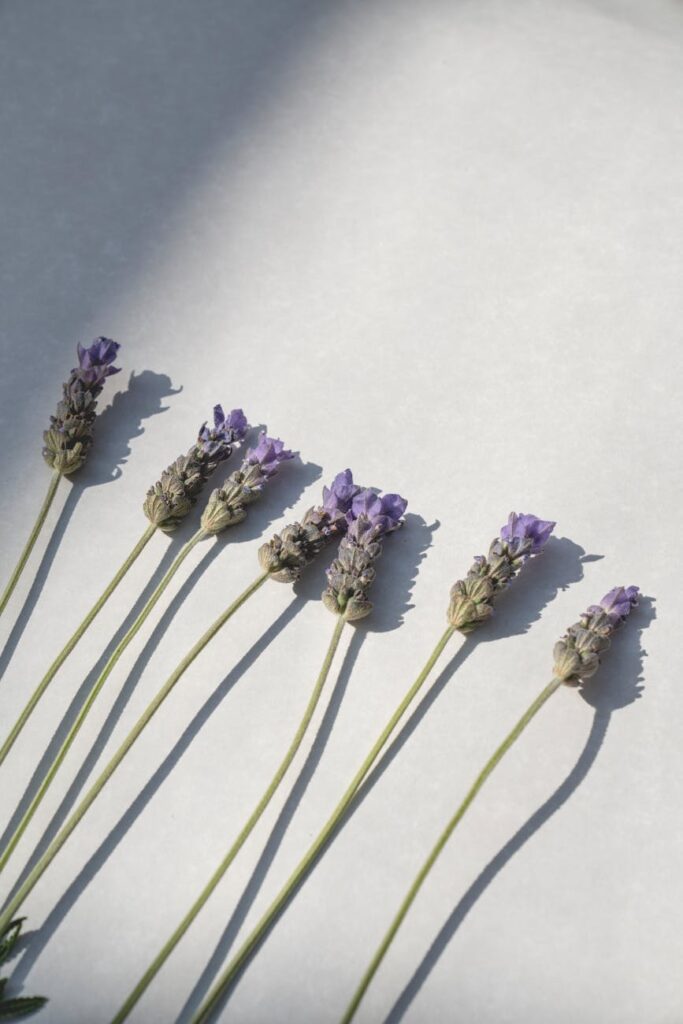
Hydrosols can be produced from various plant materials, resulting in distinct fragrances and properties. For example, rose hydrosol is created from the steam distillation of rose petals, while lavender hydrosol is derived from lavender flowers. Each type of hydrosol carries its unique scent and potential benefits, contributing to their increasing appeal among consumers seeking natural products.
Key Benefits and Properties
1. Gentle and Non-Irritating: One of the defining characteristics of hydrosols is their gentle nature. They are suitable for all skin types, including sensitive skin, making them an excellent choice for those who may have adverse reactions to concentrated essential oils.
2. Hydration: Hydrosols can serve as natural toners and moisturizers for the skin. Their water content helps hydrate and refresh the skin, making them ideal for use in skincare routines.
3. Antimicrobial Properties: Many hydrosols possess antimicrobial properties, which can help cleanse the skin and support overall skin health. For instance, tea tree hydrosol is known for its ability to combat bacteria and fungi.
4. Soothing Effects: Certain hydrosols, such as chamomile and lavender, are recognized for their calming and soothing properties. They can help reduce redness and irritation, making them suitable for post-sun exposure care or for alleviating minor skin irritations.
5. Aromatherapy Benefits: Hydrosols retain some of the aromatic properties of their source plants. The subtle fragrance can evoke emotional responses and promote relaxation, making them useful in aromatherapy practices.
Common Uses
Hydrosols can be utilized in a variety of ways, catering to diverse needs and preferences:
- Facial Toners: Hydrosols can be applied directly to the skin as toners, helping to balance the skin’s pH and provide hydration.
- Body Sprays: They can be used as refreshing body sprays, offering a light fragrance without the intensity of essential oils.
- Hair Care: Hydrosols can be incorporated into hair care routines, serving as hair rinses or scalp treatments to promote healthy hair and scalp conditions.
- Culinary Uses: Some hydrosols, like orange blossom water and rose water, are commonly used in culinary applications, adding flavor and aroma to dishes, desserts, and beverages.
- Room Fresheners: Hydrosols can be used as natural air fresheners, providing a pleasant scent without synthetic chemicals.
- Diffusion: While essential oils are typically used in diffusers, hydrosols can also be added to water-based diffusers to create a gentle aromatic atmosphere.
- Massage: Diluting essential oils in a carrier oil can be too potent for some individuals. Hydrosols can be mixed with carrier oils for a milder massage oil, providing both aroma and skin benefits.
- Baths: Adding hydrosols to bathwater can enhance the bathing experience, providing a soothing aroma while benefiting the skin.
- Inhalation: Hydrosols can be inhaled directly from the bottle or used in steam inhalation practices, allowing individuals to experience their aromatic properties without the potency of essential oils.
- Allergic Reactions: Although hydrosols are milder than essential oils, individuals with specific allergies or sensitivities should perform a patch test before widespread use.
- Pregnancy and Nursing: Pregnant or nursing individuals should consult with a healthcare provider before using any hydrosols, particularly those known for their strong properties.
- Storage: Proper storage is essential for maintaining the quality of hydrosols. They should be kept in dark, glass bottles away from direct sunlight and heat to prevent degradation.
- Refrigeration: Storing hydrosols in the refrigerator can extend their shelf life and preserve their freshness.
- Avoid Contamination: Always use clean, dry hands or utensils when dispensing hydrosols to prevent contamination.
- Check for Signs of Spoilage: If a hydrosol develops an unusual odor, color change, or sediment, it is best to discard it.
Aromatherapy Applications
In aromatherapy, hydrosols serve as a versatile medium for delivering the benefits of plant properties. They can be used in various applications, including:
Safety Considerations
While hydrosols are generally considered safe for most individuals, there are some important safety considerations to keep in mind:
Storage and Shelf Life
Hydrosols typically have a shorter shelf life than essential oils, often ranging from one to three years, depending on the type and storage conditions. To ensure longevity:
Frequently Asked Questions
1. Are hydrosols safe for children?
Hydrosols are generally safe for children, but it is advisable to consult with a healthcare provider or aromatherapy practitioner before use, particularly for very young children or those with specific health concerns.
2. Can hydrosols be used on pets?
While some hydrosols may be safe for pets, it is crucial to research specific hydrosols and consult with a veterinarian before use. Some essential oils and their derivatives can be harmful to pets.
3. How do I incorporate hydrosols into my skincare routine?
Hydrosols can be used as facial toners, added to creams or lotions, or incorporated into homemade skincare products. It is best to start with a small amount and observe how your skin reacts.
4. Can hydrosols be used in cooking?
Certain hydrosols, such as rose and orange blossom water, are commonly used in culinary practices. They can be added to desserts, beverages, and savory dishes for a unique flavor profile.
5. Are all hydrosols created equal?
Not all hydrosols are the same; their quality can vary depending on the source, production methods, and plant material used. It is advisable to purchase hydrosols from reputable suppliers to ensure purity and quality.
Conclusion
Hydrosols offer a gentle and versatile alternative to essential oils, making them accessible for a wide range of applications in health, beauty, and culinary endeavors. Their mild properties, combined with a variety of benefits, make them an attractive choice for natural skincare and wellness routines. Understanding the nature of hydrosols and their uses can empower individuals to incorporate these aromatic waters into their daily lives, enhancing both physical and emotional well-being. As always, it is essential to approach any natural product with knowledge and mindfulness to ensure the best outcomes.