
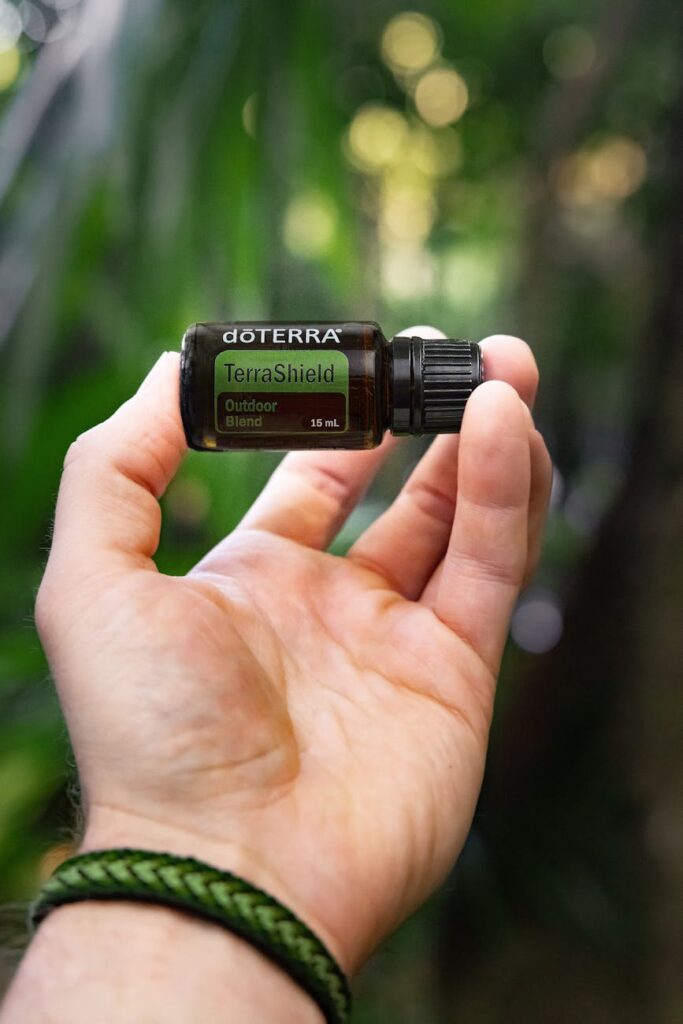
Health Benefits of Immune Support Blends
Introduction
In recent years, the interest in natural remedies and holistic approaches to wellness has surged, particularly in the realm of essential oils and aromatherapy. Among the various blends available, immune support blends have gained significant attention for their potential to foster overall health and well-being. This article aims to explore the intricacies of immune support blends, their key benefits, common applications, and safety considerations, providing a comprehensive overview for those interested in incorporating these aromatic oils into their wellness routine.
What Are Immune Support Blends?
Immune support blends are combinations of essential oils specifically formulated to promote a healthy immune system. These blends often contain a mix of oils known for their antiviral, antibacterial, antifungal, and anti-inflammatory properties. While the specific ingredients can vary widely, common essential oils found in immune support blends include eucalyptus, tea tree, lemon, oregano, and frankincense.
These blends harness the natural therapeutic properties of their constituent oils, offering a synergistic effect that can enhance the overall benefits compared to individual oils. Immune support blends can be used in various ways, including diffusion, topical application, and even in baths, making them versatile in their application.
Key Benefits and Properties
The benefits of immune support blends are multi-faceted, often stemming from the unique properties of the individual essential oils that comprise them. Key benefits may include:
Antimicrobial Action
Many essential oils used in immune support blends possess natural antimicrobial properties, which can help combat pathogens. For instance, tea tree oil is renowned for its antibacterial and antifungal effects, while oregano oil is noted for its strong antiviral properties.
Anti-Inflammatory Effects
Chronic inflammation can undermine immune function. Essential oils like frankincense and lavender are known for their anti-inflammatory properties, which can help reduce inflammation in the body and support immune health.
Stress Reduction
Stress can negatively impact immunity. Many essential oils, such as bergamot and chamomile, are recognized for their calming effects. Incorporating these oils into a wellness routine can help mitigate stress, potentially benefiting overall immune function.
Enhanced Respiratory Health
Oils such as eucalyptus and peppermint are often included in immune support blends due to their ability to promote clear breathing. These oils can help alleviate respiratory discomfort and support lung function, which is crucial for overall health.
Antioxidant Properties
Some essential oils, like lemon and rosemary, are rich in antioxidants, which play a vital role in protecting the body against oxidative stress. By neutralizing free radicals, these oils can contribute to overall immune support.
Common Uses
Immune support blends can be employed in various ways, allowing individuals to select the method that best suits their preferences and lifestyle. Common uses include:
Diffusion
Using a diffuser is one of the most popular methods for enjoying the benefits of immune support blends. When diffused, the essential oils are dispersed into the air, allowing for inhalation. This method can help purify the air and create a soothing atmosphere.
Topical Application
When diluted with a carrier oil, immune support blends can be applied directly to the skin. This method allows for localized benefits and is often used on pulse points or areas of discomfort. A patch test is recommended to ensure skin compatibility.
Baths
Adding a few drops of immune support blends to bathwater can create a soothing experience while allowing the essential oils to be absorbed through the skin. This method can also provide a calming effect, enhancing relaxation.
Inhalation
Inhaling essential oils directly from the bottle or from a cotton ball can provide immediate benefits. This method is especially useful during seasonal changes or when feeling under the weather.
Aromatherapy Applications
Aromatherapy utilizes the therapeutic properties of essential oils to promote physical and emotional well-being. Immune support blends can play a significant role in aromatherapy practices. Some applications include:
Meditation and Mindfulness
Incorporating immune support blends into meditation practices can enhance relaxation and focus. The calming scents can help individuals achieve a deeper state of mindfulness, allowing for a holistic approach to wellness.
Seasonal Support
During times of seasonal change or when exposure to pathogens is heightened, immune support blends can be particularly beneficial. Diffusing these blends in the home can create a protective atmosphere, supporting overall health.
Wellness Rituals
Creating personal wellness rituals that include immune support blends can encourage consistency in self-care. Whether through daily diffusion, topical application, or bath rituals, these blends can be integrated into routine practices for enhanced well-being.
Safety Considerations
While essential oils are often regarded as natural remedies, it is essential to approach their use with caution. Safety considerations include:
Dilution
Essential oils are highly concentrated and should be diluted with a carrier oil before topical application to prevent skin irritation. A common recommendation is to use a dilution ratio of 2-3% for adults, while children and those with sensitive skin may require a lower concentration.
Sensitivity Testing
Before using a new essential oil or blend, performing a patch test is advisable. Apply a diluted amount to a small area of skin and wait 24 hours to check for any adverse reactions.
Consultation
Individuals with specific health conditions, pregnant or nursing women, and those taking medication should consult a healthcare professional before incorporating essential oils into their routine.
Quality of Oils
Opt for high-quality, pure essential oils from reputable sources to ensure the best results and minimize risks. Adulterated or synthetic oils may not only be less effective but could also pose health risks.
Storage and Shelf Life
Proper storage of essential oils is crucial to maintaining their efficacy. Here are some guidelines:
Dark Glass Containers
Essential oils should be stored in dark glass bottles to protect them from light, which can degrade their quality over time. Avoid plastic containers, as essential oils can degrade plastic.
Cool Environment
Store essential oils in a cool, dry place away from direct sunlight and heat sources. Excessive heat can alter the chemical composition and efficacy of the oils.
Shelf Life
The shelf life of essential oils varies depending on the type. Generally, citrus oils have a shorter shelf life (around 1-2 years), while oils like patchouli and sandalwood can last for 5 years or more when stored properly. Always check for changes in smell or consistency before use.
Frequently Asked Questions
Can immune support blends replace traditional medicine?
While immune support blends can complement overall wellness, they should not replace traditional medical treatments. Consult with a healthcare professional for any health concerns.
Are there specific essential oils that should be avoided during pregnancy?
Certain essential oils, such as clary sage and rosemary, are contraindicated during pregnancy. Always consult a healthcare provider for guidance.
How often can I use immune support blends?
The frequency of use may vary based on individual preferences and sensitivities. However, moderation is key. Daily use in a diffuser or during self-care rituals can be beneficial.
Can children use immune support blends?
Children can benefit from immune support blends, but it’s essential to use oils that are safe for their age group and to follow appropriate dilution guidelines. Consultation with a healthcare provider is recommended.
Where can I find high-quality essential oils?
Look for reputable suppliers who provide transparency regarding their sourcing and production processes. Third-party testing and certifications can also indicate quality.
Conclusion
Immune support blends offer a natural and holistic approach to enhancing overall well-being. With their unique properties and versatile applications, these blends can be integrated into daily routines to promote a healthy immune system. However, it is essential to approach their use with mindfulness and caution, ensuring safety and efficacy. By understanding the benefits and considerations surrounding immune support blends, individuals can make informed choices that align with their wellness goals.