
Health Benefits of Infused Oils
Introduction
Infused oils have garnered increasing interest in recent years, particularly within the realms of natural health, beauty, and culinary practices. These oils, which are created by steeping herbs, flowers, or other botanicals in a carrier oil, carry a range of flavors, scents, and potential benefits. This article explores the essence of infused oils, their properties, uses, and safety considerations, providing a comprehensive overview for those curious about their applications.
What Is Infused Oils?
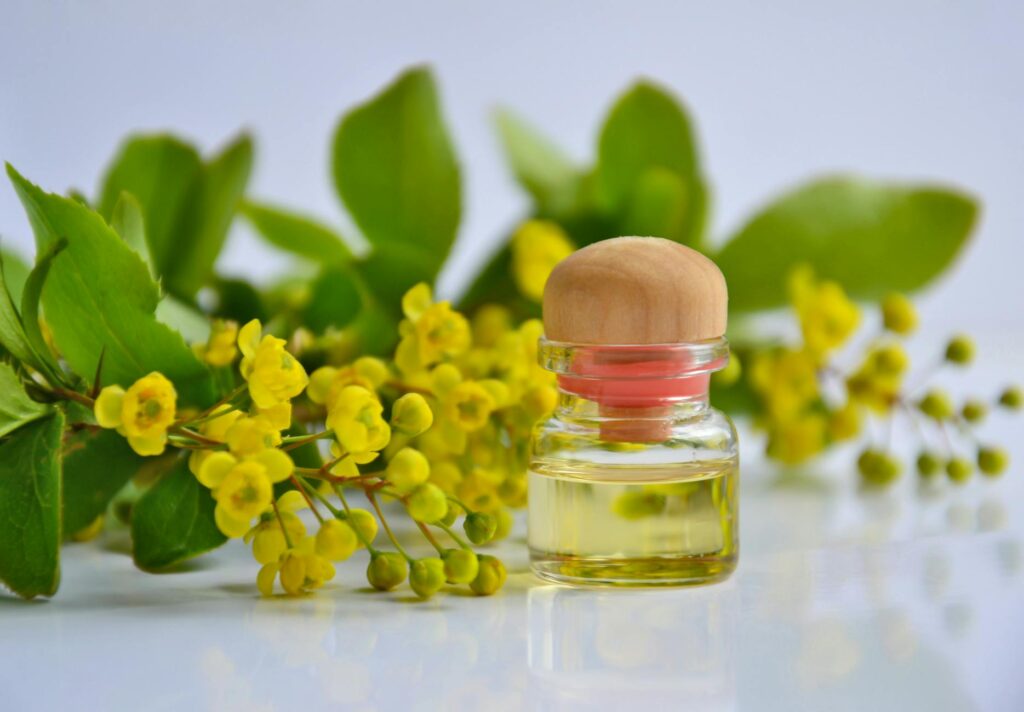
Infused oils are made through a process of extracting the properties of herbs or botanicals by steeping them in a carrier oil, such as olive, almond, or jojoba oil. This infusion process typically involves combining dried or fresh plant materials with a chosen oil and allowing them to sit for a period, sometimes several weeks, in a warm, dark place. As the infusion progresses, the oil absorbs the beneficial compounds, flavors, and aromas of the plant materials.
The outcome is a versatile product that can be used for various purposes, including culinary applications, skincare, and aromatherapy.
Key Benefits and Properties
Infused oils exhibit a variety of beneficial properties, largely dependent on the type of plant used and the carrier oil chosen. Some common benefits include:
1. Nutritional Value: Certain infused oils can provide vitamins and antioxidants. For instance, infused olive oil may contain beneficial properties from herbs like rosemary or garlic.
2. Anti-Inflammatory Effects: Many herbs used in oil infusions, such as turmeric and calendula, are known for their anti-inflammatory properties, making their infused oils potentially useful in topical applications.
3. Antioxidant Properties: Oils infused with herbs like green tea or hibiscus may offer antioxidant benefits, which can help combat oxidative stress.
4. Moisturizing Qualities: Carrier oils like jojoba or sweet almond oil are known for their moisturizing effects, which can be enhanced by the addition of botanical infusions.
5. Flavor Enhancement: In culinary practices, infused oils can elevate dishes by adding unique flavors, providing an easy way to incorporate herbs into meals.
Common Uses
Infused oils have numerous applications, making them a valuable addition to any household:
1. Culinary Uses: Infused oils are frequently used in cooking and salad dressings. Garlic-infused oil, for example, can add depth to dishes, while basil-infused oil can enhance pasta or pizza.
2. Skincare: The moisturizing and nourishing properties of infused oils make them suitable for skincare. They can be used as massage oils, added to lotions, or applied directly to the skin for hydration.
3. Haircare: Infused oils can be beneficial for hair health. Oils infused with herbs like rosemary or nettle can promote scalp health and add shine to hair.
4. Aromatherapy: Infused oils can be used in diffusers or as part of massage blends, adding both aroma and therapeutic benefits to the practice.
5. Household Uses: Certain infused oils can be used in cleaning products or as natural insect repellents, harnessing the properties of specific botanicals.
Aromatherapy Applications
In aromatherapy, infused oils can play a significant role due to their aromatic properties. These oils can be used in various ways:
1. Diffusion: Infused oils can be added to a diffuser to disperse their aroma throughout a space, promoting a calming or uplifting atmosphere.
2. Massage: When blended with essential oils, infused oils can be used in massage therapy to enhance relaxation and relieve tension.
3. Bathing: Adding infused oils to bathwater can create a soothing environment, allowing the aromatic benefits to permeate the air and skin.
4. Inhalation: Inhaling the scent of infused oils can evoke emotional responses and promote relaxation, depending on the botanicals used.
5. Custom Blends: Infused oils can be mixed with essential oils to create personalized blends tailored to specific needs or preferences.
Safety Considerations
While infused oils are generally safe for use, it is essential to consider the following safety guidelines:
1. Patch Testing: Before applying an infused oil to a large area of skin, a patch test should be performed to rule out any allergic reactions.
2. Quality of Ingredients: Use high-quality, organic herbs and carrier oils to ensure the best results and minimize exposure to pesticides or harmful chemicals.
3. Dilution: When using infused oils for topical applications, it is advisable to dilute them with a carrier oil to avoid skin irritation.
4. Storage: Proper storage is crucial to maintaining the quality of infused oils. Keep them in a cool, dark place, and use clean utensils to avoid contamination.
5. Expiration: Some botanicals may cause the infused oil to spoil more quickly. Be aware of the signs of spoilage, such as off odors or changes in color.
Storage and Shelf Life
The shelf life of infused oils depends on various factors, including the type of carrier oil used, the botanical ingredients, and storage conditions. Generally, infused oils can last anywhere from six months to a year if stored properly. Here are some tips for extending their shelf life:
1. Dark Glass Bottles: Store infused oils in dark glass containers to protect them from light, which can degrade the oil.
2. Cool Temperatures: Keep oils in a cool environment, ideally below room temperature, to slow down the oxidation process.
3. Seal Tightly: Ensure that containers are sealed tightly to prevent air from entering, which can lead to rancidity.
4. Labeling: Label bottles with the infusion date and ingredients to track freshness easily.
5. Regular Checks: Periodically check the oils for any signs of spoilage such as rancid smells, unusual colors, or mold.
Frequently Asked Questions
1. How long does it take to make infused oils?
The infusion process can take anywhere from a few days to several weeks, depending on the type of botanicals and the desired potency. Generally, allowing the infusion to sit for 2-4 weeks yields a richer flavor and aroma.
2. Can I use fresh herbs for infusing oils?
While fresh herbs can be used, it is generally recommended to use dried herbs to minimize the risk of moisture, which can lead to spoilage. If using fresh herbs, ensure they are thoroughly dried before infusing.
3. Are infused oils safe for cooking?
Yes, infused oils can be used in cooking, but it is essential to ensure that the botanicals used are safe for consumption. Always use oils infused with culinary herbs and follow any relevant guidelines.
4. Can infused oils be used for sensitive skin?
While many infused oils can be beneficial for the skin, those with sensitive skin should exercise caution. It is advisable to perform a patch test and consult with a knowledgeable practitioner if unsure.
5. What are the best carrier oils to use for infusion?
Common carrier oils include olive oil, sweet almond oil, jojoba oil, and grapeseed oil. The choice of carrier oil may depend on the desired application, properties, and personal preferences.
Conclusion
Infused oils represent a fascinating intersection of nature and utility, offering a wide array of benefits and applications. From culinary enhancements to skincare and aromatherapy, these oils allow individuals to harness the power of plants in various ways. Understanding the process, benefits, and safety considerations surrounding infused oils can enrich one’s experience and appreciation for this versatile product. Whether one is a seasoned practitioner or a curious novice, exploring the world of infused oils can lead to delightful discoveries.