
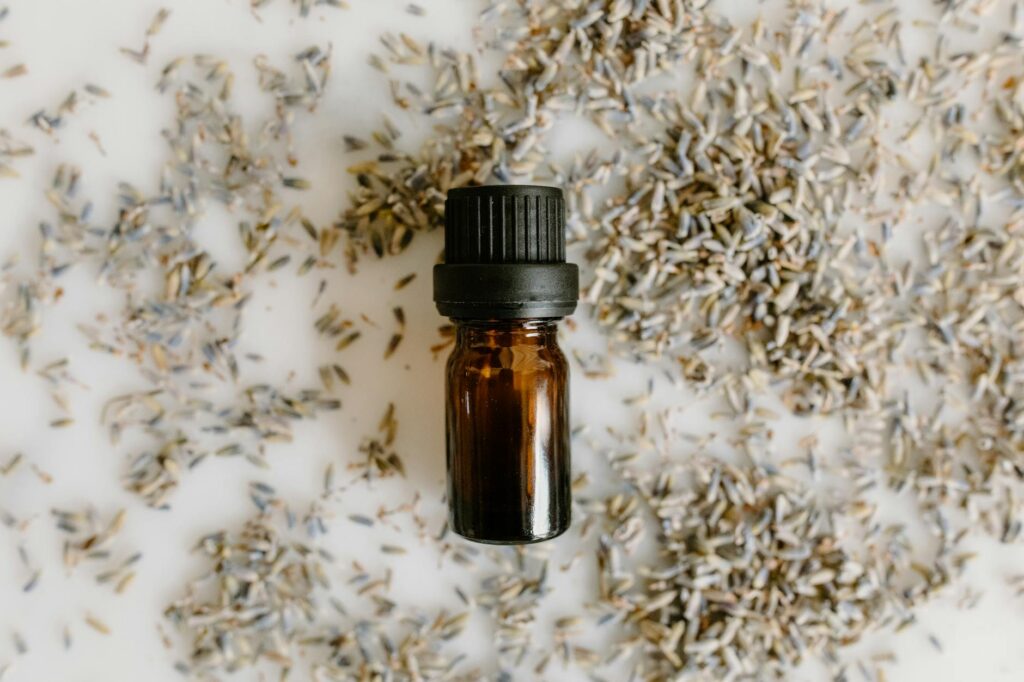
Health Benefits of Lavender Extract
Introduction
Lavender, scientifically known as Lavandula angustifolia, is a flowering plant that belongs to the mint family. Renowned for its aromatic qualities, lavender has been a staple in herbal medicine and wellness practices for centuries. The extract derived from its flowers is widely celebrated for its diverse range of health benefits, making it a popular choice in aromatherapy and natural remedies. This article explores the nature of lavender extract, its key benefits, common uses, and safe practices for incorporating it into daily life.
What Is Lavender Extract?
Lavender extract is obtained from the flowers of the lavender plant, primarily through steam distillation or alcohol extraction. The oil contains a complex mixture of chemical compounds, including linalool and linalyl acetate, which contribute to its characteristic fragrance and therapeutic properties. The extract can be used in various forms, including essential oil, tinctures, and infused oils, each serving specific purposes in health and wellness.
Key Benefits and Properties
1. Calming Effects
One of the most celebrated properties of lavender extract is its ability to promote relaxation and reduce stress. Research indicates that inhaling lavender scent can lower heart rate and blood pressure, leading to a sense of calm.
2. Sleep Aid
Lavender is commonly used as a natural remedy for sleep disturbances. Its soothing aroma is believed to enhance sleep quality, making it a popular choice for those suffering from insomnia or restless sleep. Many people use lavender sachets in their pillows or diffuse its essential oil in their bedrooms to create a tranquil sleeping environment.
3. Antioxidant Properties
Lavender extract contains antioxidants that help combat oxidative stress in the body. Antioxidants play a crucial role in protecting cells from damage caused by free radicals, which may contribute to chronic diseases.
4. Anti-Inflammatory Effects
Some studies suggest that lavender may possess anti-inflammatory properties, which can help alleviate discomfort associated with inflammatory conditions. This property makes it a potential candidate for topical applications in skin care and pain relief.
5. Mood Enhancement
The aromatic properties of lavender extract are believed to have mood-lifting effects. It may help alleviate feelings of anxiety and depression, contributing to an overall sense of well-being.
6. Skin Health
Lavender extract is often incorporated into skincare products due to its antiseptic and anti-inflammatory properties. It can help soothe minor burns, insect bites, and other skin irritations, promoting a healthy complexion.
Common Uses
Lavender extract is versatile and can be utilized in various applications:
1. Aromatherapy
In aromatherapy, lavender essential oil is commonly used in diffusers, massage oils, and bath products to promote relaxation and emotional balance.
2. Personal Care Products
Many commercial products, including lotions, shampoos, and soaps, incorporate lavender extract for its fragrance and skin-soothing benefits.
3. Culinary Uses
Lavender can also be used in cooking, adding a floral note to dishes and beverages. It is important to use culinary-grade lavender for food applications.
4. Home Fragrance
Lavender extract is a popular choice for homemade potpourri, candles, and room sprays, providing a natural way to enhance the ambiance of living spaces.
Aromatherapy Applications
The use of lavender extract in aromatherapy is extensive due to its calming and restorative properties. Here are some common applications:
1. Diffusion
Using a diffuser, lavender essential oil can be dispersed throughout a room, creating a serene environment conducive to relaxation and stress relief.
2. Inhalation
Inhaling lavender oil directly from the bottle or applying a few drops to a cotton ball can provide immediate calming effects, especially during stressful situations.
3. Topical Application
When diluted with a carrier oil, lavender extract can be applied to pulse points or areas of tension to promote relaxation and alleviate discomfort.
4. Bathing Rituals
Adding lavender extract to bathwater enhances the experience of relaxation. The warm water, combined with the soothing scent, creates a spa-like atmosphere at home.
Safety Considerations
While lavender extract is generally considered safe for most people, there are some important safety considerations to keep in mind:
1. Skin Sensitivity
Some individuals may experience skin irritation or allergic reactions when using lavender extract topically. It is advisable to conduct a patch test before applying it to larger areas of the skin.
2. Pregnancy and Nursing
Pregnant and nursing women should consult a healthcare professional before using lavender extract, as its effects during these periods are not fully understood.
3. Interactions with Medications
Individuals taking medications, particularly those affecting the central nervous system, should discuss the use of lavender with their healthcare provider, as it may interact with certain medications.
4. Children
While lavender is often used in children’s products, it is essential to use it with caution. Dilution and appropriate age considerations are vital to ensure safety.
Storage and Shelf Life
To maintain the quality and potency of lavender extract, proper storage is crucial. Here are some guidelines:
1. Storage Conditions
Store lavender extract in a cool, dark place, away from direct sunlight and heat sources. This helps prevent degradation of the active compounds.
2. Container
Use dark glass bottles to protect the extract from light exposure. Ensure that the container is tightly sealed to prevent the oil from oxidizing.
3. Shelf Life
The shelf life of lavender extract varies depending on the form. Essential oils typically last 1 to 3 years, while tinctures may last longer. Always check for any changes in color, scent, or consistency before use.
Frequently Asked Questions
1. Can lavender extract be used for cooking?
Yes, culinary-grade lavender can be used in cooking. It adds a unique flavor to dishes and can be used in desserts, beverages, and savory meals.
2. How do I use lavender extract for sleep?
To promote better sleep, you can diffuse lavender essential oil in your bedroom or apply diluted oil to your pillow or wrists before bedtime.
3. Is lavender safe for children?
Lavender can be used in children’s products, but it is advisable to consult with a healthcare provider for appropriate usage and dilution guidelines.
4. Can I apply lavender extract directly to my skin?
Lavender essential oil should be diluted with a carrier oil before applying it directly to the skin to reduce the risk of irritation.
5. What are the differences between lavender essential oil and lavender extract?
Lavender essential oil is the concentrated oil extracted from the flowers, while lavender extract may refer to a broader category of products, including tinctures and infused oils, which may have different concentrations and properties.
Conclusion
Lavender extract is a versatile and widely appreciated natural remedy known for its calming and restorative properties. From promoting relaxation to enhancing skin health, its applications are numerous and varied. Whether used in aromatherapy, personal care products, or culinary endeavors, lavender extract offers a holistic approach to well-being. As with any natural product, it is essential to use lavender with mindfulness, considering individual sensitivities and preferences. By understanding and respecting this ancient botanical, one can embrace the many benefits that lavender extract has to offer.