
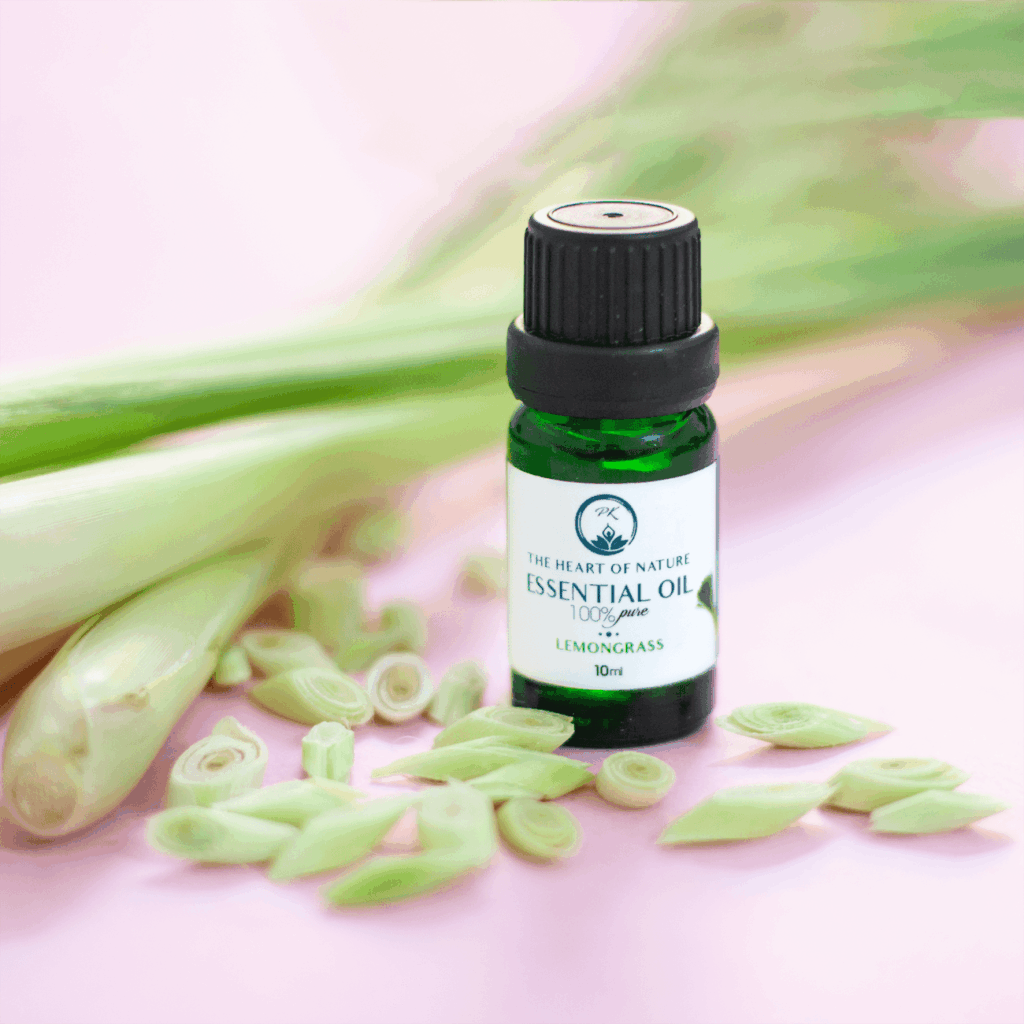
Health Benefits of Macerated Oils
Introduction
Macerated oils, often underappreciated in the realm of natural wellness, are an intriguing component of both traditional and modern practices in aromatherapy and herbal medicine. This article delves into what macerated oils are, their key benefits and properties, common uses, applications in aromatherapy, safety considerations, storage practices, and frequently asked questions.
What Is Macerated Oils?
Macerated oils are created through a process where a carrier oil is infused with botanical materials, such as herbs or flowers, to extract their beneficial properties. The term “maceration” refers to the process of softening or breaking down substances in a liquid, allowing the essential compounds of the plant materials to be released into the oil.
The Process
The maceration process typically involves the following steps:
1. Selection of Plant Material: Choose fresh or dried herbs, flowers, or roots known for their therapeutic properties.
2. Preparation: Chop or crush the plant material to increase the surface area for better extraction.
3. Infusion: Combine the plant material with a carrier oil (such as olive, almond, or jojoba oil) in a glass container, ensuring the plant material is fully submerged.
4. Maceration: Allow the mixture to sit in a warm, dark place for a specified period, usually from a few weeks to several months. During this time, the oil absorbs the properties of the plant material.
5. Straining: After the desired infusion period, strain the oil through a cheesecloth or fine mesh sieve to remove the solid plant materials, leaving behind the macerated oil.
Key Benefits and Properties
Macerated oils are prized for their diverse range of properties, making them useful in various applications. Some key benefits include:
1. Nutrient-Rich: Macerated oils retain many of the vitamins, minerals, and antioxidants found in the original plant material, enhancing the oil’s nutritional profile.
2. Emollient Properties: These oils are often rich in fatty acids, making them excellent moisturizers for the skin. They can help to soothe dryness and improve skin texture.
3. Antioxidant Activity: Many macerated oils possess antioxidant properties, which help combat oxidative stress and promote overall skin health.
4. Anti-Inflammatory Effects: Certain macerated oils may exhibit anti-inflammatory properties, making them beneficial in soothing irritated skin or reducing redness.
5. Aromatic Qualities: The infusion process allows macerated oils to carry the scent of the plant material, providing a natural fragrance that can enhance mood and well-being.
Common Uses
Macerated oils have a variety of applications, including:
1. Skincare: Used in lotions, creams, and balms, macerated oils can nourish and hydrate the skin, making them suitable for all skin types.
2. Massage: Due to their soothing properties, macerated oils are commonly used in massage blends, offering relaxation and relief to sore muscles.
3. Haircare: Macerated oils can be used as hair treatments to promote shine, moisture, and overall hair health.
4. Homemade Remedies: These oils can be incorporated into various DIY remedies, such as salves or ointments, for minor skin irritations.
5. Cooking: If made with culinary herbs or edible flowers, macerated oils can also be used in cooking, adding flavor and nutritional benefits to dishes.
Aromatherapy Applications
In the field of aromatherapy, macerated oils can serve as a base for essential oils or be used on their own. The aroma of these oils can influence mood and emotional well-being. Here are some applications:
1. Relaxation and Stress Relief: Oils infused with calming herbs, such as lavender or chamomile, can promote relaxation and reduce stress when used in diffusers or massage.
2. Uplifting Mood: Citrus-infused macerated oils, like those made from orange or lemon peels, can invigorate the senses and uplift the mood.
3. Enhancing Meditation: Certain macerated oils can be used during meditation practices to create a calming atmosphere.
4. Supportive Blends: Macerated oils can be mixed with essential oils to enhance their therapeutic properties, creating tailored blends for specific needs.
Safety Considerations
While macerated oils are generally considered safe for topical use, it is essential to keep the following precautions in mind:
1. Allergic Reactions: Before using a new macerated oil, perform a patch test on a small area of skin to check for any allergic reactions.
2. Quality of Ingredients: Use high-quality, organic plant materials and carrier oils to ensure the purity of the final product. Contaminated or low-quality oils may cause adverse reactions.
3. Dilution: When using macerated oils in conjunction with essential oils, proper dilution is crucial to avoid skin irritation.
4. Pregnancy and Nursing: If pregnant or nursing, consult with a healthcare professional before using any macerated oils, especially those infused with herbs known for their potent properties.
5. Sun Sensitivity: Some macerated oils, particularly those made from citrus fruits, may cause photosensitivity. Avoid direct sun exposure after application.
Storage and Shelf Life
Proper storage is essential to maintain the quality and efficacy of macerated oils. Here are some guidelines:
1. Storage Conditions: Store macerated oils in a cool, dark place away from direct sunlight and heat sources. Exposure to light and heat can degrade the oil and diminish its properties.
2. Container: Use dark glass bottles for storage, as they help protect the oil from light and oxidation.
3. Shelf Life: The shelf life of macerated oils can vary based on the carrier oil used and the plant material infused. Generally, they should last between six months to a year. Regularly check for any changes in color, smell, or consistency that may indicate spoilage.
Frequently Asked Questions
1. Are macerated oils the same as infused oils?
Yes, macerated oils and infused oils are often used interchangeably, as both involve the process of infusing a carrier oil with plant materials to extract their beneficial properties.
2. Can I make macerated oils at home?
Absolutely! Making macerated oils at home is a simple process that allows you to customize the infusion according to your preferences. Ensure you follow proper hygiene and storage guidelines.
3. What types of oils are commonly used as carriers for maceration?
Common carrier oils include olive oil, almond oil, coconut oil, and jojoba oil. The choice of carrier oil may depend on the desired properties and application of the macerated oil.
4. Can macerated oils be used for cooking?
Yes, if the plant material used is culinary in nature, macerated oils can be safe for cooking. However, ensure that the herbs or flowers used are edible and free from pesticides.
5. How can I enhance the potency of a macerated oil?
To enhance the potency, consider using fresh plant materials, increasing the maceration time, or adding essential oils to the final product.
Conclusion
Macerated oils offer a fascinating blend of botanical wisdom and natural wellness. Their rich nutrient profile, diverse applications, and aromatic properties make them a valuable addition to skincare, massage, and aromatherapy practices. By understanding how to create, use, and store these oils safely, individuals can harness their benefits and incorporate them into their holistic health routines. Always approach the use of macerated oils with mindfulness and respect for the plants that provide their unique gifts.