
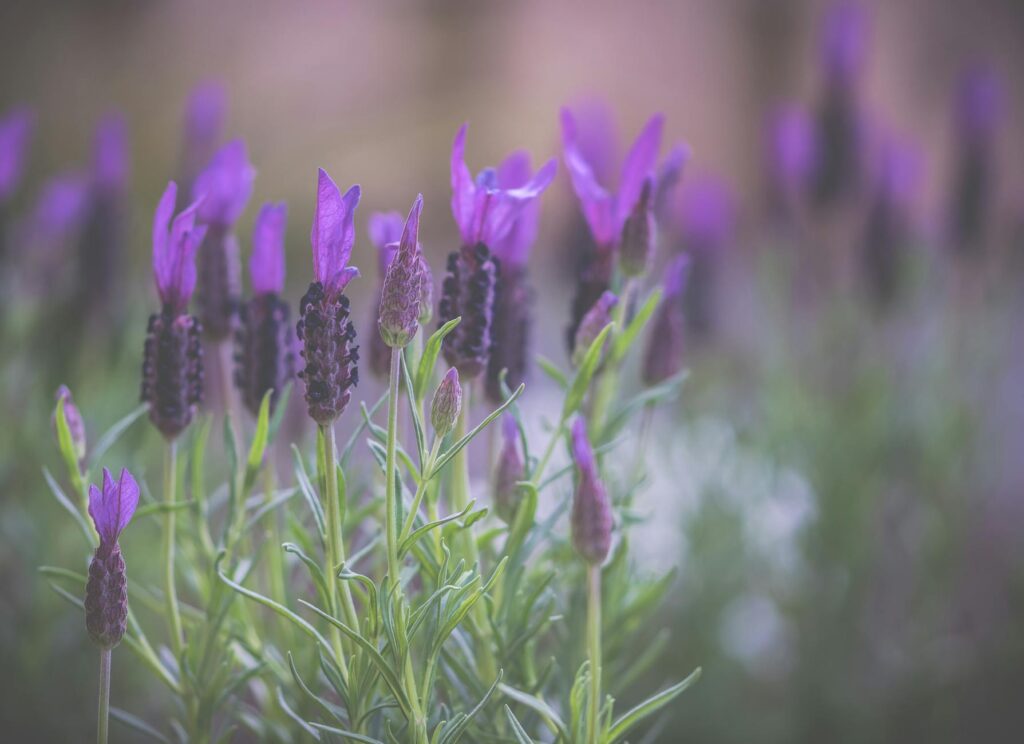
Health Benefits of Medicinal Perennials
Introduction
Medicinal perennials are a fascinating group of plants that not only enhance the beauty of gardens but also offer a multitude of health benefits. With their longevity and resilience, these plants have been utilized in traditional medicine across various cultures for centuries. This article explores the characteristics of medicinal perennials, their benefits, common uses, aromatherapy applications, safety considerations, and guidelines for storage and shelf life.
What Is Medicinal Perennials?
Medicinal perennials are plants that live for more than two years and have therapeutic properties. Unlike annuals that complete their life cycle within a single growing season, or biennials that take two years to mature, perennials can thrive for many years, often developing extensive root systems and woody stems. They can be found in diverse habitats and climates, making them adaptable to various gardening conditions.
Many of these plants contain essential oils, alkaloids, flavonoids, and other bioactive compounds that contribute to their medicinal properties. Examples include well-known herbs such as lavender (Lavandula angustifolia), echinacea (Echinacea purpurea), and sage (Salvia officinalis).
Key Benefits and Properties
Medicinal perennials often possess a range of health-promoting properties, including:
Anti-Inflammatory Effects
Many medicinal perennials contain compounds that exhibit anti-inflammatory effects. For instance, turmeric (Curcuma longa), while more commonly known as an annual, can be grown as a perennial in warmer climates. Its active ingredient, curcumin, has been extensively studied for its ability to reduce inflammation.
Antioxidant Properties
Plants such as rosemary (Rosmarinus officinalis) and thyme (Thymus vulgaris) are rich in antioxidants, which help combat oxidative stress in the body. Antioxidants neutralize free radicals, reducing cellular damage and potentially lowering the risk of chronic diseases.
Immune Support
Echinacea is renowned for its immune-boosting properties. It is often used in herbal remedies to enhance the body’s natural defenses against infections and illnesses. Other perennials, like elderberry (Sambucus nigra), are also celebrated for their immune-supportive qualities.
Digestive Health
Medicinal perennials such as peppermint (Mentha piperita) and chamomile (Matricaria chamomilla) are often used to promote digestive health. They can help alleviate gastrointestinal discomfort and support overall digestive function.
Stress Relief and Relaxation
Lavender is well-known for its calming effects, making it a popular choice in aromatherapy. Its soothing scent can help reduce anxiety and improve sleep quality, demonstrating the psychological benefits of certain medicinal perennials.
Common Uses
Medicinal perennials are versatile and can be utilized in various ways. Some common uses include:
Culinary Applications
Many medicinal perennials can be used in cooking. Herbs like basil, thyme, and sage not only add flavor to dishes but also contribute health benefits. Fresh or dried leaves can be incorporated into salads, soups, and marinades.
Herbal Teas
Perennials such as chamomile and lemon balm (Melissa officinalis) are commonly brewed into herbal teas. These teas can provide relaxation and digestive relief, making them a popular choice for evening routines.
Tinctures and Extracts
Tinctures and extracts made from medicinal perennials can be used for their concentrated benefits. These liquid preparations often involve soaking the plant material in alcohol or glycerin to extract its active compounds.
Essential Oils
Many medicinal perennials are distilled into essential oils, which are used in aromatherapy and topical applications. Essential oils are often used for their therapeutic properties, including relaxation, pain relief, and respiratory support.
Aromatherapy Applications
Aromatherapy is a holistic healing practice that utilizes essential oils and other aromatic compounds to promote physical and emotional well-being. Several medicinal perennials are particularly prominent in this field due to their beneficial properties:
Lavender (Lavandula angustifolia)
Known for its calming effects, lavender essential oil is used to alleviate anxiety, improve sleep quality, and create a peaceful atmosphere.
Peppermint (Mentha piperita)
The invigorating scent of peppermint is often used to boost energy levels and enhance mental clarity. It is also known for its potential to relieve headaches and digestive discomfort.
Eucalyptus (Eucalyptus globulus)
Eucalyptus essential oil is prized for its respiratory benefits. It can help clear nasal passages and promote easier breathing, making it a popular choice during cold and flu seasons.
Tea Tree (Melaleuca alternifolia)
Tea tree oil is renowned for its antiseptic and antimicrobial properties. It is often used in skincare products for its ability to combat acne and other skin irritations.
Safety Considerations
While medicinal perennials can offer numerous health benefits, it is essential to approach their use with caution. Here are some safety considerations:
Allergies and Sensitivities
Individuals may have allergies or sensitivities to certain plants. It is advisable to conduct a patch test with essential oils before widespread use, especially for topical applications.
Dosage and Concentration
The potency of medicinal perennials can vary significantly depending on the extraction method and concentration. It is crucial to follow recommended dosages and consult reliable sources for guidance.
Interactions with Medications
Some medicinal perennials may interact with prescription medications. It is essential to consult with a healthcare professional before using herbal remedies alongside conventional treatments.
Pregnancy and Nursing
Certain medicinal perennials may not be safe for use during pregnancy or while nursing. It is vital to seek professional advice in these situations.
Storage and Shelf Life
Proper storage is crucial for maintaining the potency and efficacy of medicinal perennials. Here are some guidelines:
Dried Herbs
Dried herbs should be stored in a cool, dark place in airtight containers to preserve their flavor and medicinal properties. When stored correctly, dried herbs can last for up to one to three years.
Essential Oils
Essential oils should also be stored in dark glass bottles to protect them from light and heat. They should be kept in a cool, dry place. Most essential oils have a shelf life of about three to five years, although some may last longer.
Tinctures and Extracts
Tinctures and extracts should be stored in dark glass bottles as well. When kept in a cool, dark place, they can last for several years.
Frequently Asked Questions
What are some popular medicinal perennials?
Some widely recognized medicinal perennials include lavender, echinacea, peppermint, chamomile, and sage. Each offers unique health benefits and culinary uses.
Can I grow medicinal perennials at home?
Yes, many medicinal perennials can be grown in home gardens. They are often hardy and require minimal maintenance, making them suitable for both novice and experienced gardeners.
Are there any side effects associated with medicinal perennials?
While many medicinal perennials are considered safe, some may cause side effects or allergic reactions in certain individuals. It is crucial to conduct thorough research and consult a healthcare professional if you have concerns.
How can I incorporate medicinal perennials into my daily routine?
Medicinal perennials can be incorporated into your daily routine through culinary use, herbal teas, tinctures, essential oils, and aromatherapy practices. Experimenting with different forms can help you discover what works best for you.
Conclusion
Medicinal perennials are a valuable addition to both gardens and wellness practices. With their extensive range of health benefits, from anti-inflammatory properties to immune support, these plants have earned their place in the realm of natural remedies. By understanding their uses, applications, and safety considerations, individuals can harness the potential of these remarkable plants to enhance their overall well-being. Whether you are a seasoned herbalist or a curious newcomer, the world of medicinal perennials offers exciting opportunities for exploration and discovery.