
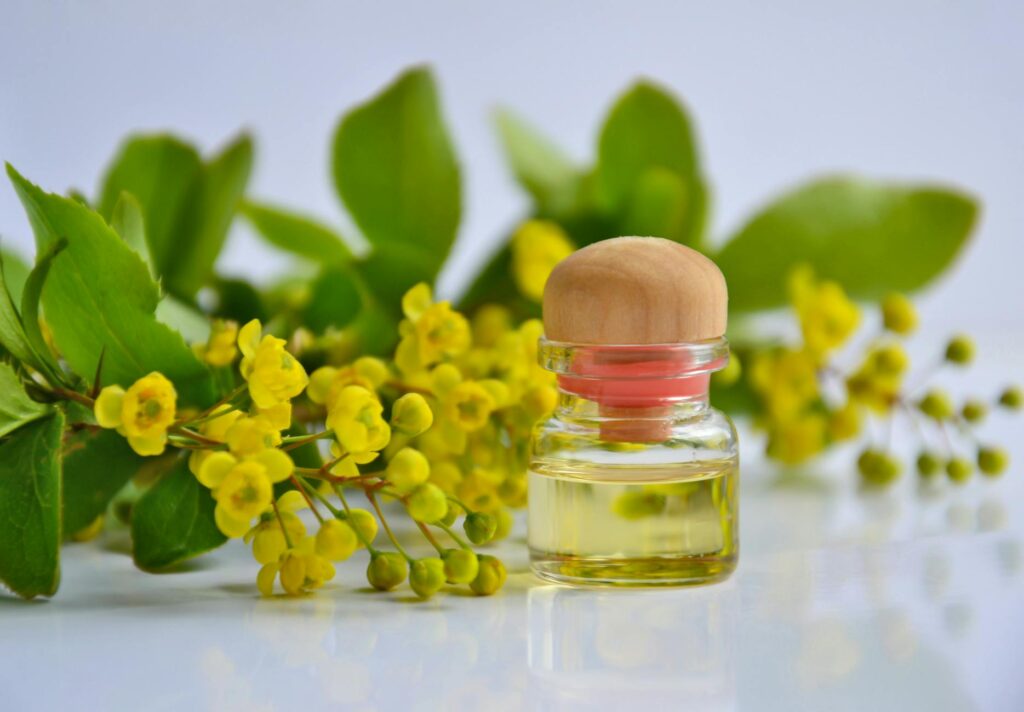
Health Benefits of Medicinal Shrubs
Introduction
Medicinal shrubs have been utilized for centuries across various cultures and civilizations for their therapeutic properties. These plants not only play an essential role in traditional medicine but also offer a wealth of benefits for modern herbalists and aromatherapists. This article aims to explore the characteristics, benefits, and applications of medicinal shrubs, providing readers with a comprehensive overview of their significance in health and wellness.
What Is Medicinal Shrubs?
Medicinal shrubs are woody plants that are typically smaller than trees but larger than herbaceous plants. They often possess notable therapeutic properties, either in their leaves, flowers, stems, or roots. Commonly found in various biomes around the world, these shrubs have adapted to their environments, which contributes to their diverse chemical compositions. Examples of well-known medicinal shrubs include rosemary (Rosmarinus officinalis), sage (Salvia officinalis), and elderberry (Sambucus nigra).
These plants are often rich in essential oils, flavonoids, tannins, and other phytochemicals, making them valuable in herbal remedies, teas, and aromatherapy.
Key Benefits and Properties
Medicinal shrubs are celebrated for their diverse range of health benefits and properties. Below are some of the most commonly attributed benefits:
Antioxidant Properties
Many medicinal shrubs contain antioxidants, which help combat oxidative stress in the body. Oxidative stress can lead to cellular damage and is a contributing factor in various chronic diseases.
Anti-inflammatory Effects
Some shrubs are known for their anti-inflammatory properties, which can help alleviate swelling and discomfort in conditions such as arthritis.
Antimicrobial Activity
Several medicinal shrubs possess natural antimicrobial properties, making them effective in fighting bacteria, viruses, and fungi. This quality can be particularly beneficial in wound healing and preventing infections.
Digestive Health
Certain shrubs, like peppermint (Mentha piperita), are used to support digestive health. They can help relieve symptoms of indigestion and bloating, promoting overall gut health.
Mood Enhancement
Aromatherapy applications involving medicinal shrubs can positively influence emotional well-being. Scents from plants like lavender (Lavandula angustifolia) are known for their calming effects, which can help reduce anxiety and promote relaxation.
Common Uses
The uses of medicinal shrubs are diverse and can vary based on the specific plant and its properties. Here are some common applications:
Herbal Remedies
Medicinal shrubs are often utilized in herbal formulations, teas, and tinctures. For example, elderberry is commonly used in syrups for its immune-boosting properties.
Culinary Applications
Many medicinal shrubs have culinary uses as well. Herbs like rosemary and sage are frequently used in cooking to enhance flavor while also providing health benefits.
Traditional Medicine
In many cultures, medicinal shrubs are integral to traditional healing practices. For instance, willow bark (Salix spp.) has been used for centuries in various cultures as a natural pain reliever due to its salicin content.
Skincare
Certain shrubs, such as chamomile (Matricaria chamomilla), are used in skincare formulations for their soothing and anti-inflammatory properties. They can be found in creams, lotions, and oils.
Aromatherapy Applications
Aromatherapy is a holistic healing practice that utilizes the aromatic properties of essential oils extracted from medicinal shrubs. These oils can be inhaled or applied topically (with proper dilution) to promote health and well-being.
Essential Oils from Medicinal Shrubs
Some common essential oils derived from medicinal shrubs include:
- Rosemary Oil: Known for its stimulating properties, rosemary oil can enhance mental clarity and focus.
- Lavender Oil: Celebrated for its calming effects, lavender oil is often used to promote relaxation and improve sleep quality.
- Sage Oil: Used for its antiseptic and anti-inflammatory properties, sage oil is often incorporated into wellness practices aimed at reducing stress and tension.
Diffusion and Inhalation
Essential oils can be diffused in a room or inhaled directly. The inhalation of these oils can influence the limbic system, the part of the brain that controls emotions, leading to improved mood and mental clarity.
Topical Applications
When diluted with a carrier oil, essential oils can be applied topically for various purposes, including massage, skin care, and pain relief. It is crucial to conduct a patch test before applying any new oil to ensure there is no adverse reaction.
Safety Considerations
Although medicinal shrubs have many benefits, it is vital to approach their use with caution. Here are some safety considerations to keep in mind:
Allergies
Some individuals may be allergic to specific plants or their components. It is essential to conduct a patch test before using any new herbal product or essential oil.
Interactions with Medications
Certain medicinal shrubs may interact with prescription medications. Always consult a healthcare provider before incorporating new herbs or essential oils into your routine, especially if you are pregnant, nursing, or taking medications.
Proper Usage
Adhere to recommended dosages and usage instructions for herbal remedies and essential oils. Overuse can lead to adverse effects.
Storage and Shelf Life
The shelf life of medicinal shrubs and their products varies based on the form in which they are used:
Dried Herbs
Dried medicinal shrubs can last up to one year when stored in a cool, dark, and dry place. It is advisable to keep them in airtight containers to maintain their potency.
Essential Oils
Essential oils generally have a shelf life of 1-3 years, depending on the type. To prolong their effectiveness, store them in dark glass bottles, away from light and heat.
Tinctures and Extracts
Homemade tinctures can last for several years if stored properly in a cool, dark environment. Commercial tinctures often have a longer shelf life due to preservatives.
Frequently Asked Questions
Can I use medicinal shrubs during pregnancy?
While many medicinal shrubs are safe, some may not be suitable during pregnancy. Always consult a healthcare provider before using any herbal remedies during this time.
Are there any side effects associated with medicinal shrubs?
Some individuals may experience side effects from specific shrubs, especially if they have allergies or are taking medications. It is essential to research and consult professionals before use.
How can I incorporate medicinal shrubs into my daily routine?
You can incorporate medicinal shrubs into your routine through herbal teas, essential oils, culinary dishes, or skincare products, depending on your preferences and needs.
Where can I find medicinal shrubs?
Medicinal shrubs can be found at health food stores, herbal shops, or grown in home gardens. It is essential to source them from reputable suppliers to ensure quality and authenticity.
Conclusion
Medicinal shrubs offer a rich tapestry of health benefits and applications, making them valuable assets in the realms of herbal medicine and aromatherapy. Understanding their properties and uses allows individuals to incorporate these plants into their wellness routines thoughtfully. As with any natural remedy, a cautious approach is advisable, ensuring that one is informed and safe in their use.