
Health Benefits of Medicinal Trees
Introduction
Medicinal trees have been revered throughout history for their therapeutic properties and health benefits. These trees have played a significant role in traditional medicine systems worldwide, offering a plethora of natural remedies. With the increasing interest in holistic health and natural alternatives, understanding the benefits of medicinal trees is more relevant than ever. This article explores the characteristics, key benefits, common uses, and safety considerations associated with these remarkable plants.
What Is Medicinal Trees?
Medicinal trees are species that possess therapeutic properties, often utilized in the preparation of herbal remedies, essential oils, and other natural products. These trees contain various bioactive compounds—such as alkaloids, flavonoids, tannins, and essential oils—that contribute to their healing effects. Some well-known examples of medicinal trees include:
- Neem (Azadirachta indica): Known for its antibacterial and anti-inflammatory properties.
- Eucalyptus (Eucalyptus globulus): Commonly used for respiratory ailments.
- Cinnamon (Cinnamomum verum): Valued for its antimicrobial and anti-inflammatory effects.
- Frankincense (Boswellia sacra): Revered for its calming properties and potential to aid in immune support.
In many cultures, these trees are not only sources of medicine but also symbols of life, healing, and spirituality.
Key Benefits and Properties
The medicinal properties of trees vary widely depending on the species, but several key benefits are commonly associated with them:
1. Antioxidant Properties
Many medicinal trees are rich in antioxidants, which help neutralize free radicals, thus reducing oxidative stress in the body. Antioxidants can play a role in preventing chronic diseases and promoting overall health.
2. Anti-inflammatory Effects
Compounds found in medicinal trees can help reduce inflammation, which is linked to various health issues, including arthritis, heart disease, and certain cancers.
3. Antimicrobial Activity
Numerous medicinal trees possess antimicrobial properties, making them effective against bacteria, viruses, and fungi. This makes them valuable for treating infections and supporting immune health.
4. Digestive Support
Certain medicinal trees have been traditionally used to improve digestive health, alleviating issues such as bloating, gas, and constipation.
5. Calming and Stress-Relief Properties
Many trees, particularly those used in aromatherapy, have calming effects that can help reduce anxiety and stress, promoting mental well-being.
Common Uses
Medicinal trees can be utilized in various forms, including:
1. Herbal Remedies
Leaves, bark, and roots of medicinal trees can be dried and used to make teas, tinctures, and poultices. For example, the leaves of the neem tree are often brewed into tea for their health benefits.
2. Essential Oils
The extraction of essential oils from the leaves, bark, or resin of medicinal trees is a popular practice in aromatherapy. These oils can be diffused, inhaled, or used topically when diluted.
3. Dietary Supplements
Some tree extracts are processed into capsules or powders and marketed as dietary supplements. For instance, cinnamon extract is often taken to support metabolic health.
4. Natural Cleaning Products
Due to their antimicrobial properties, oils from medicinal trees can be used in natural cleaning products, providing an eco-friendly alternative to chemical cleaners.
Aromatherapy Applications
Aromatherapy harnesses the aromatic properties of essential oils derived from medicinal trees to promote physical and emotional well-being. Some common applications include:
1. Stress Relief
Essential oils like eucalyptus and frankincense are often used in diffusers or during massages to create a calming atmosphere, helping to alleviate stress and anxiety.
2. Respiratory Support
Eucalyptus oil is especially known for its ability to support respiratory health. Inhalation of its vapors can help clear nasal passages and ease breathing.
3. Immune Boosting
Certain oils, such as tea tree and neem, are believed to enhance immune function and can be used in blends for immune support.
4. Focus and Clarity
Essential oils like rosemary and cedarwood are often used to improve concentration and mental clarity, making them ideal for study or work environments.
Safety Considerations
While medicinal trees offer numerous benefits, it is essential to approach their use with caution:
1. Skin Sensitivity
Some essential oils can cause skin irritation or allergic reactions. It is advisable to perform a patch test before topical application.
2. Pregnancy and Breastfeeding
Certain essential oils may not be safe for use during pregnancy or breastfeeding. Consultation with a healthcare professional is recommended.
3. Drug Interactions
Medicinal trees may interact with medications, affecting their efficacy. It is crucial to inform healthcare providers about any herbal supplements being taken.
4. Quality and Purity
The quality of essential oils and herbal products can vary widely. It is important to source products from reputable suppliers to ensure purity and efficacy.
Storage and Shelf Life
To maintain the potency and effectiveness of medicinal tree products, proper storage is vital:
1. Essential Oils
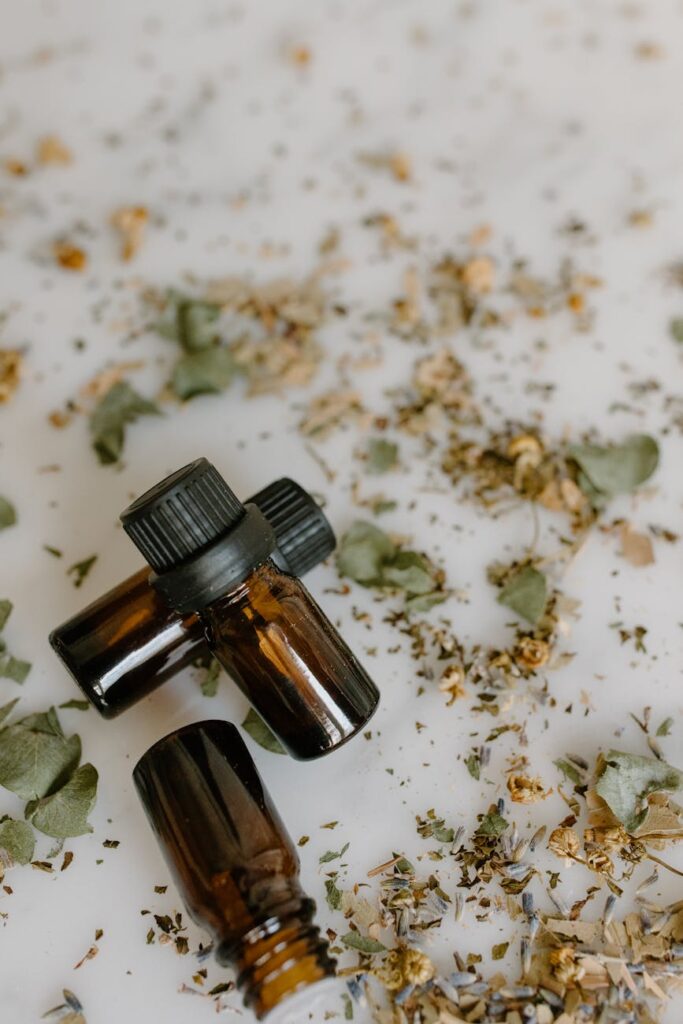
Essential oils should be stored in dark glass bottles, away from direct sunlight and heat. Properly stored, they can last up to three years, although some oils may have a shorter shelf life.
2. Dried Herbs
Dried herbal products should be kept in airtight containers in a cool, dark place. When stored correctly, they can retain their potency for one to three years, depending on the herb.
3. Tinctures and Extracts
Alcohol-based tinctures can last for several years if kept in a cool, dark environment. Always check for any signs of spoilage or discoloration before use.
Frequently Asked Questions
1. Can medicinal trees be used in cooking?
Yes, many medicinal trees provide culinary herbs and spices, such as cinnamon and bay laurel, which can be safely used in cooking for flavor and potential health benefits.
2. Are all parts of a medicinal tree usable?
Not all parts of a tree are suitable for consumption or therapeutic use. It is essential to research specific species to determine which parts are safe and beneficial.
3. How do I choose quality essential oils?
Look for essential oils that are labeled as 100% pure, organic, and free from synthetic additives. Reviewing third-party testing can also ensure quality.
4. Can children use essential oils?
Certain essential oils can be safe for children but should be used with caution and always diluted. Consultation with a healthcare provider is recommended before use.
5. Where can I learn more about medicinal trees?
Numerous resources, including botanical gardens, herbalism courses, and reputable online platforms, offer extensive information on medicinal trees and their benefits.
Conclusion
Medicinal trees are a treasure trove of natural remedies, offering a range of health benefits that have been acknowledged for centuries. By exploring their properties, uses, and applications, we can appreciate their role in promoting health and well-being. However, it is crucial to approach their use with care, ensuring informed choices and safe practices. As we continue to seek natural alternatives in our health journey, medicinal trees provide a compelling connection to nature’s healing potential.