
Health Benefits of Meditation Blends
Introduction
In an increasingly fast-paced world, the pursuit of mental clarity, emotional balance, and overall well-being has led many individuals to explore various holistic practices. One such practice is meditation, often complemented by the use of essential oils. Meditation blends, which feature specific combinations of essential oils designed to enhance the meditative experience, have gained popularity for their potential benefits. This article delves into the nature of meditation blends, their key benefits, applications, and safety considerations.
What Is Meditation Blends?
Meditation blends are carefully curated mixtures of essential oils that aim to support and enhance meditation practices. These blends are typically composed of oils known for their calming, grounding, or uplifting properties. Common ingredients may include lavender, frankincense, sandalwood, and bergamot, among others. The synergy created by these combinations can facilitate a deeper meditative state, promote relaxation, and enhance emotional balance.
The practice of using essential oils in meditation is rooted in ancient traditions. Cultures around the world have utilized aromatic plants for centuries, recognizing their potential to influence mood and promote spiritual awareness. Today, meditation blends are often used in conjunction with various meditative techniques, including mindfulness, guided imagery, and breathwork.
Key Benefits and Properties
1. Enhanced Relaxation
Many essential oils used in meditation blends possess calming properties that can help reduce anxiety and stress. Oils such as lavender and chamomile are known for their soothing effects, making them ideal for creating a peaceful atmosphere conducive to meditation.
2. Improved Focus and Clarity
Certain essential oils can enhance mental clarity and focus. Oils such as rosemary and peppermint are often included in meditation blends for their stimulating properties, which can help clear the mind and improve concentration during meditation.
3. Emotional Balance
Meditation blends can assist in balancing emotions. Oils like bergamot and ylang-ylang are known for their uplifting properties, which can help alleviate feelings of sadness or tension, promoting a more positive emotional state during meditation.
4. Spiritual Connection
Some essential oils are revered for their potential to deepen spiritual practices. Frankincense, for example, has been used for centuries in religious and spiritual ceremonies. Its inclusion in meditation blends can help create a sacred space and foster a sense of connection to the divine.
5. Grounding Effects
Grounding essential oils, such as vetiver and sandalwood, can help individuals feel more centered and present. These oils are often included in meditation blends to promote a sense of stability and tranquility, making it easier to engage in deep meditation.
Common Uses
Meditation blends can be utilized in various ways, depending on individual preferences and practices. Some common uses include:
- Diffusion: Adding a few drops of meditation blend to a diffuser can disperse the scent throughout a room, creating an inviting atmosphere for meditation.
- Topical Application: Diluting meditation blends with a carrier oil and applying them to pulse points can allow individuals to carry the calming aroma with them throughout the day.
- Bathing: Adding meditation blends to bathwater can create a serene bathing experience, allowing for relaxation and mindfulness in a tranquil setting.
- Inhalation: Simply inhaling the aroma directly from the bottle or from a cotton pad can provide immediate access to the calming effects of the oils.
- Dilution: Essential oils are highly concentrated and should be diluted with a carrier oil before topical application to minimize the risk of skin irritation.
- Allergies: Individuals should conduct a patch test before using a new blend to ensure they do not have an allergic reaction.
- Pregnancy and Medical Conditions: Certain essential oils may not be suitable for pregnant individuals or those with specific medical conditions. Consulting a qualified professional is advisable.
- Quality of Oils: The quality of essential oils can vary significantly. It is recommended to source oils from reputable suppliers to ensure purity and potency.
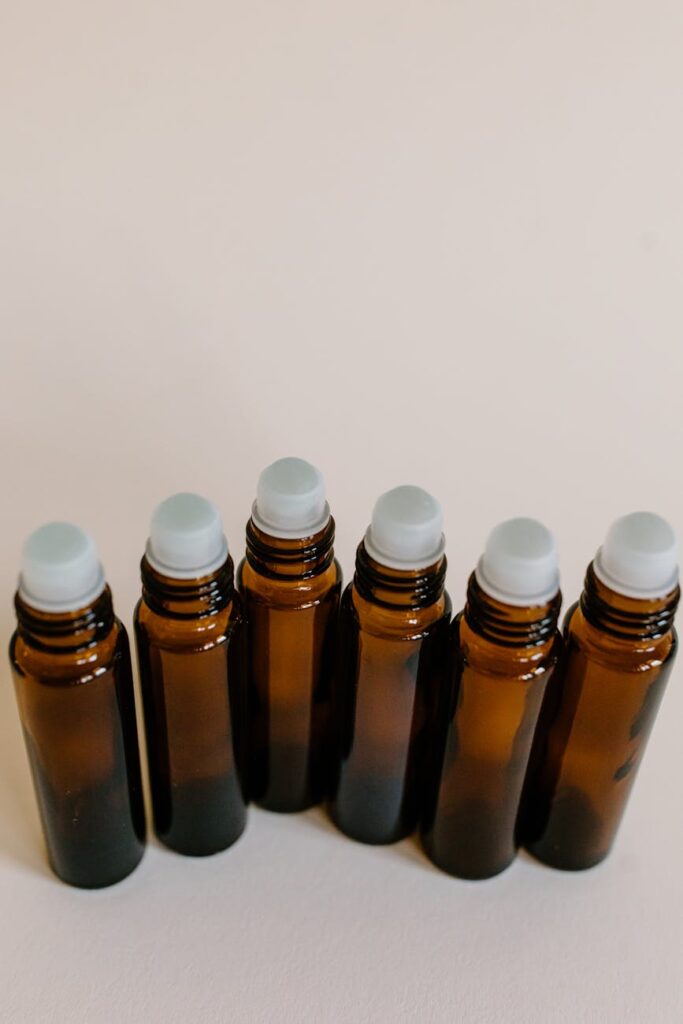
- Storage: Essential oils should be stored in a cool, dark place away from direct sunlight to prevent degradation. Dark glass bottles are ideal for protecting the oils from light exposure.
- Shelf Life: The shelf life of essential oils can vary. Generally, citrus oils may last about 1-2 years, while oils like sandalwood and frankincense can last for several years if stored correctly. Regularly check for any changes in color, aroma, or consistency.
Aromatherapy Applications
In the realm of aromatherapy, meditation blends can be integrated into various practices to enhance their effects. Here are some applications:
1. Guided Meditations
Incorporating meditation blends into guided sessions can deepen the experience. A facilitator may encourage participants to inhale the blend as they enter a meditative state, helping to create a sense of calm and focus.
2. Yoga Practices
Using meditation blends during yoga can enhance the overall experience. Diffusing or applying the oils before or during practice can facilitate deeper relaxation and mindfulness, making it easier to connect with the body and breath.
3. Mindfulness Practices
Mindfulness involves being fully present in the moment. Meditation blends can serve as a sensory anchor, helping practitioners remain focused on their breath or surroundings. The aroma can trigger a calming response, making it easier to return to the present.
4. Stress-Relief Techniques
Incorporating meditation blends into stress-relief techniques such as progressive muscle relaxation or deep breathing exercises can amplify their effects. The soothing aromas can help individuals release tension and embrace a sense of peace.
Safety Considerations
While meditation blends offer various benefits, it is essential to consider safety precautions when using essential oils:
Storage and Shelf Life
Proper storage of meditation blends is crucial for maintaining their efficacy. Here are some guidelines:
Frequently Asked Questions
1. Can I create my own meditation blend?
Yes, many individuals enjoy creating their own meditation blends. Start by selecting oils that resonate with you, focusing on their properties and aromas. Experiment with different combinations to find a blend that enhances your meditation experience.
2. How often should I use meditation blends?
There is no set frequency for using meditation blends. You can incorporate them into your meditation practice as often as you feel necessary. Some may choose to use them daily, while others may reserve them for specific occasions.
3. Are meditation blends suitable for children?
While some essential oils are safe for children, it is important to consult a pediatrician or qualified aromatherapist before using any essential oils on or around children. Always dilute oils appropriately and choose child-friendly options.
4. Can meditation blends replace traditional meditation techniques?
Meditation blends are intended to complement traditional meditation techniques, not replace them. They can enhance the experience by creating a calming atmosphere, but the effectiveness of meditation ultimately depends on the individual’s practice and intention.
5. How do I know which oils are best for meditation?
The best oils for meditation vary from person to person. Consider your personal preferences, emotional state, and the specific qualities you seek in your practice. Experimenting with different oils can help you discover what works best for you.
Conclusion
Meditation blends represent a harmonious fusion of aromatherapy and mindfulness practices, offering a pathway to enhanced relaxation, emotional balance, and mental clarity. By understanding their properties and applications, individuals can integrate these powerful blends into their meditation routines, cultivating a deeper sense of peace and well-being. As with any holistic approach, it is essential to prioritize safety and personal preferences, allowing for a customized experience that fosters growth and tranquility.