
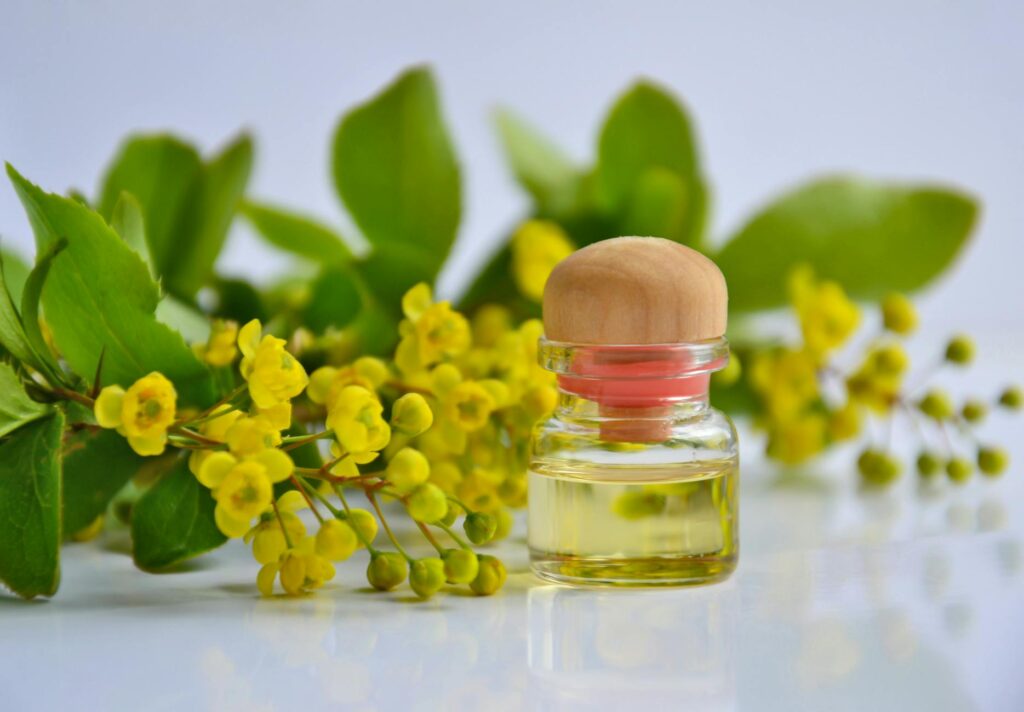
Health Benefits of Meditative Herbal Essential Oil Blends
Introduction
The increasing interest in holistic health practices has led to a resurgence in the use of essential oils, particularly those designed for meditation and relaxation. Meditative herbal essential oil blends not only provide aromatic benefits but also can enhance emotional well-being and contribute to spiritual practices. This article explores the composition, benefits, applications, and safety considerations associated with these blends, offering a comprehensive overview for those interested in incorporating them into their wellness routines.
What Is Meditative Herbal Essential Oil Blends?
Meditative herbal essential oil blends are combinations of concentrated plant extracts specifically formulated to promote relaxation, focus, and a sense of tranquility. These blends typically include a variety of essential oils derived from aromatic plants, herbs, and flowers known for their calming and soothing properties. Common ingredients may include lavender, chamomile, frankincense, sandalwood, and bergamot, among others.
The formulation of these blends seeks to harness the synergistic effects of their components, creating a more profound impact than individual oils might offer. As such, meditative herbal essential oil blends are often used in practices such as meditation, yoga, and mindfulness.
Key Benefits and Properties
1. Stress Reduction
One of the primary benefits of meditative herbal essential oil blends is their ability to alleviate stress. Oils like lavender and chamomile are renowned for their calming properties, which can help reduce anxiety and promote a sense of peace.
2. Enhanced Focus and Clarity
Certain essential oils, such as rosemary and peppermint, are known to stimulate the mind and enhance cognitive function. When blended with calming oils, they can aid in achieving a balanced state conducive to meditation and focused thought.
3. Emotional Balance
Meditative herbal essential oil blends can help stabilize emotions and promote a sense of inner peace. Oils like bergamot and ylang-ylang are often included for their uplifting effects.
4. Spiritual Connection
Many practitioners believe that specific essential oils can facilitate a deeper connection to oneself and the spiritual realm. Frankincense, for example, has been used for centuries in spiritual practices to enhance meditation and prayer.
5. Physical Relaxation
In addition to their emotional benefits, some essential oils in these blends can promote physical relaxation. Oils such as marjoram and cedarwood have sedative properties that can help relieve muscle tension and promote restful sleep.
Common Uses
Meditative herbal essential oil blends can be employed in various ways, enhancing both personal practices and environments. Some common uses include:
- Diffusion: Using an essential oil diffuser to disperse the aroma throughout a room creates a calming atmosphere conducive to meditation and relaxation.
- Topical Application: Diluting essential oils in a carrier oil allows for direct application to pulse points, enhancing their effects during meditation or yoga practices.
- Bathing: Adding a few drops of a blend to bathwater can create a serene bathing experience, promoting relaxation and introspection.
- Inhalation: Inhaling the scent directly from the bottle or using a personal inhaler can provide immediate calming effects.
- Dilution: Always dilute essential oils with a carrier oil before applying them to the skin. Undiluted oils can cause irritation or adverse reactions.
- Allergies: Conduct a patch test to check for any allergic reactions before widespread use.
- Pregnancy and Medical Conditions: Pregnant individuals and those with specific medical conditions should consult a healthcare professional before using essential oils.
- Children and Pets: Some essential oils can be harmful to children and pets. It is advisable to research specific oils and consult guidelines for safe use around these populations.
- Cool, Dark Place: Store essential oils in a cool, dark place away from direct sunlight and heat sources. This helps prevent degradation of the oils.
- Tightly Sealed Bottles: Ensure that bottles are tightly sealed to avoid oxidation and contamination.
- Shelf Life: While essential oils can last for years, their shelf life varies by oil. Citrus oils generally have a shorter shelf life (around 1-2 years), while oils like sandalwood or patchouli can last for much longer with proper care.
Aromatherapy Applications
Aromatherapy is the practice of using essential oils for therapeutic benefits, and meditative herbal essential oil blends fit seamlessly into this paradigm. Here are some common applications:
1. Meditation Practices
Incorporating essential oil blends into meditation sessions can heighten the experience. Oils such as sandalwood and frankincense are often used in meditation to create a sacred space and deepen mindfulness.
2. Yoga Sessions
Using essential oils during yoga can enhance the mind-body connection. Blends that promote relaxation or invigoration can be applied to the skin or diffused in the yoga space to enrich the practice.
3. Mindfulness and Breathing Exercises
Essential oil blends can significantly enhance mindfulness and breathing exercises. By focusing on the aromas, practitioners can cultivate a greater sense of presence and awareness.
4. Enhancing Sleep Quality
Certain blends can be used to create a bedtime ritual, promoting relaxation and preparing the mind and body for restful sleep. Oils like lavender and chamomile are particularly effective in this regard.
Safety Considerations
While essential oils are generally considered safe for use, it is important to adhere to certain safety guidelines:
Storage and Shelf Life
Proper storage of essential oils is vital to maintaining their potency and effectiveness. Here are some tips:
Frequently Asked Questions
1. Can I create my own meditative herbal essential oil blend?
Yes, you can create your own blends by combining various essential oils that resonate with you. It’s recommended to use a base oil as a carrier and to start with small amounts to test the aroma.
2. How do I know which essential oils to choose for meditation?
Selecting essential oils for meditation is often a personal choice. Consider what you wish to achieve—whether it be relaxation, focus, or emotional balance—and choose oils that align with those goals.
3. Are there any essential oils that should be avoided during meditation?
While most essential oils are safe for general use, it is advisable to avoid strong, stimulating oils like eucalyptus or clove if you are seeking a calming atmosphere for meditation.
4. How can I incorporate essential oils into my daily routine?
You can diffuse essential oils in your living space, apply them to your pulse points, or add them to your bath. Experiment with different methods to find what works best for you.
5. Can essential oils replace traditional forms of therapy?
While essential oils can support emotional and spiritual well-being, they are not a substitute for professional medical advice or treatment. It is best to use them as complementary tools within a broader wellness framework.
In conclusion, meditative herbal essential oil blends offer a plethora of benefits that can enhance relaxation, focus, and emotional balance. By understanding their properties and applications, individuals can incorporate these aromatic wonders into their daily lives, enriching their spiritual journeys and overall well-being.