
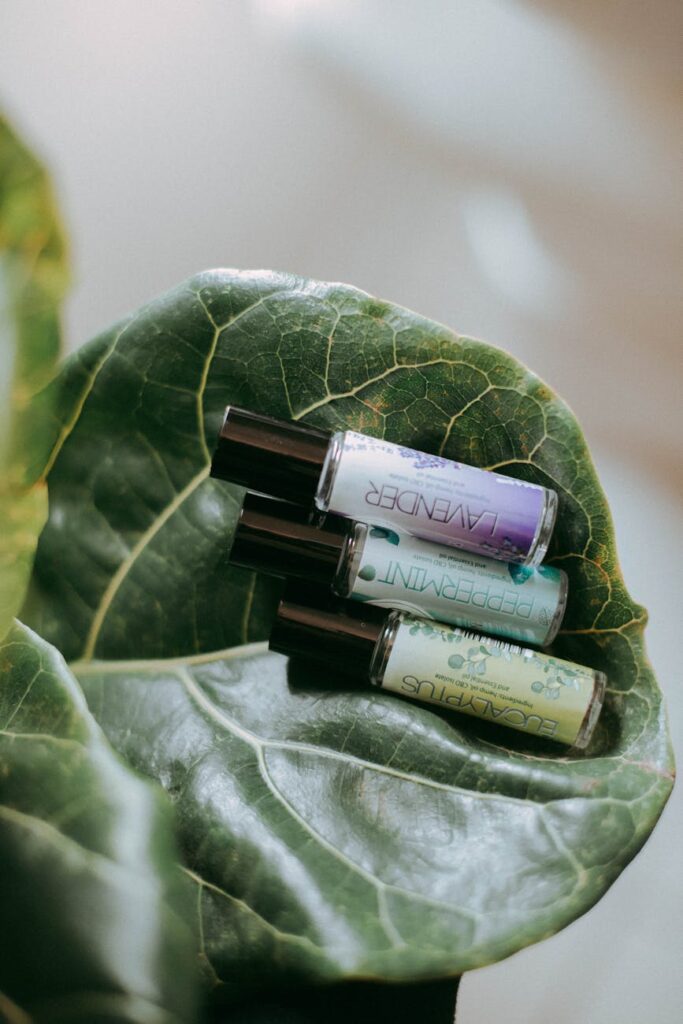
Health Benefits of Mood Enhancing Blends
Introduction
In recent years, the interest in natural remedies and holistic wellness has surged, leading many to explore the realm of essential oils and aromatherapy. Among the various applications of these fragrant compounds, mood-enhancing blends have gained particular attention for their potential to influence emotional wellbeing. This article delves into the definition, benefits, common uses, and safety considerations related to mood-enhancing essential oils.
What Is Mood Enhancing Blends?
Mood-enhancing blends refer to specific combinations of essential oils designed to promote positive emotional states and alleviate feelings of stress, anxiety, or sadness. These blends can be crafted from a variety of essential oils, each with unique aromatic profiles and therapeutic properties. The synergy created by combining different oils can enhance their individual effects, making them more effective in promoting emotional balance.
Essential oils are concentrated extracts derived from various parts of plants, including leaves, flowers, stems, and roots. They capture the plant’s essence, including its fragrance and therapeutic properties. When blended thoughtfully, these oils can create a powerful tool for emotional support.
Key Benefits and Properties
Mood-enhancing blends can offer a variety of benefits, largely attributed to the properties of the individual oils used in the formulation. Here are some key benefits and properties commonly associated with mood-enhancing essential oil blends:
1. Stress Reduction: Many essential oils have calming effects on the nervous system. Oils such as lavender (Lavandula angustifolia) and bergamot (Citrus bergamia) are known for their ability to alleviate stress and promote relaxation.
2. Anxiety Relief: Certain oils, like chamomile (Matricaria chamomilla) and ylang-ylang (Cananga odorata), can help reduce feelings of anxiety, providing a sense of tranquility and emotional stability.
3. Mood Elevation: Citrus oils, such as orange (Citrus sinensis) and lemon (Citrus limon), are often used for their uplifting properties. They can stimulate feelings of joy and happiness, making them ideal for combating low moods.
4. Enhanced Focus and Clarity: Oils like rosemary (Rosmarinus officinalis) and peppermint (Mentha piperita) are known to enhance mental clarity and concentration, making them beneficial for those experiencing mental fatigue or fogginess.
5. Emotional Balance: The combination of various oils can create a harmonious blend that supports emotional balance. Oils such as geranium (Pelargonium graveolens) and frankincense (Boswellia serrata) are often used to help stabilize emotions.
Common Uses
The versatility of mood-enhancing blends allows for various methods of application, making them accessible for different lifestyles. Here are some common uses:
1. Diffusion: One of the most popular methods of using essential oils is through a diffuser. By dispersing the blend into the air, individuals can create a calming or uplifting atmosphere in their homes or workplaces.
2. Topical Application: When diluted with a carrier oil, mood-enhancing blends can be applied to pulse points such as wrists, temples, and behind the ears. This method allows for direct interaction with the skin and can provide localized benefits.
3. Bathing: Adding a few drops of a mood-enhancing blend to a warm bath can create a soothing experience, promoting relaxation and emotional rejuvenation.
4. Inhalation: Simply inhaling the aroma of the oils directly from the bottle or from a cotton ball can provide immediate mood enhancement. This method is quick and effective.
5. Massage: Incorporating mood-enhancing blends into massage oils can not only promote relaxation but also enhance the emotional benefits during the massage experience.
Aromatherapy Applications
Aromatherapy is the practice of using essential oils for therapeutic purposes. Mood-enhancing blends can be a significant component of aromatherapy, facilitating emotional healing and balance. Here are some applications:
1. Workplace Environment: Using mood-enhancing blends in the workplace can help reduce stress and promote a positive atmosphere. Oils like lemon and peppermint can invigorate and refresh, making them ideal for use in office settings.
2. Home Environment: Creating a serene home environment with mood-enhancing blends can foster relaxation and emotional stability. Diffusing calming oils like lavender in the evening can signal to the body that it’s time to unwind.
3. Meditation and Mindfulness: Incorporating mood-enhancing blends into meditation practices can deepen relaxation and enhance focus. Oils like frankincense and sandalwood (Santalum album) are particularly favored for their grounding properties.
4. Yoga Practices: Using mood-enhancing blends during yoga can enhance the practice, promoting emotional release and mindfulness. They can be diffused in the space or applied to the body before or during a session.
Safety Considerations
While essential oils are natural, they are also potent substances that require careful handling. Here are some important safety considerations when using mood-enhancing blends:
1. Dilution: Essential oils should be diluted with a carrier oil, such as jojoba or sweet almond oil, before applying them to the skin to prevent irritation.
2. Allergies and Sensitivities: Individuals should conduct a patch test before using a new blend to check for allergic reactions or sensitivities. A small amount of diluted oil can be applied to a discreet area of skin to observe any adverse reactions.
3. Pregnancy and Health Conditions: Certain essential oils may not be suitable for pregnant individuals or those with specific health conditions. It is advisable to consult a healthcare professional if there are any concerns.
4. Quality of Oils: The quality of essential oils can vary significantly among brands. It’s essential to choose high-quality, pure essential oils from reputable sources to ensure safety and efficacy.
Storage and Shelf Life
To maintain the potency and effectiveness of mood-enhancing blends, proper storage is crucial. Here are some guidelines:
1. Cool, Dark Place: Essential oils should be stored in a cool, dark place away from direct sunlight and heat, which can degrade their quality.
2. Dark Glass Containers: It is advisable to keep essential oils in dark glass bottles, which help protect the oils from light and oxidation.
3. Shelf Life: The shelf life of essential oils can vary depending on the type. Most essential oils have a shelf life of 1-3 years, while some oils, like citrus oils, may have a shorter lifespan. It’s best to label containers with the date of purchase to monitor freshness.
Frequently Asked Questions
1. Can mood-enhancing blends replace traditional therapy?
While mood-enhancing blends can support emotional wellbeing, they should not replace traditional therapy or medical treatment. They can complement other wellness practices but are not a substitute for professional help.
2. How often can I use mood-enhancing blends?
The frequency of use can vary depending on individual needs and preferences. They can be used daily, but it’s essential to listen to your body and adjust usage accordingly.
3. Are there any essential oils I should avoid?
Some essential oils may have contraindications, particularly for individuals with certain health conditions or during pregnancy. It is best to research each oil or consult a knowledgeable source before use.
4. Can I create my own mood-enhancing blends?
Yes, creating your own blends can be a rewarding experience. Experimenting with different oils allows individuals to personalize their blends based on their unique preferences and needs.
5. How do I choose the right blend for my mood?
Selecting the right blend depends on your emotional state and desired outcome. Researching the properties of various essential oils and experimenting with different combinations can help you find what works best for you.
—
In conclusion, mood-enhancing blends of essential oils offer a natural approach to emotional wellbeing. By understanding their properties, applications, and safety considerations, individuals can effectively incorporate them into their daily routines. Whether used for relaxation, focus, or emotional balance, these fragrant blends hold the potential to positively influence one’s mood and overall quality of life.