
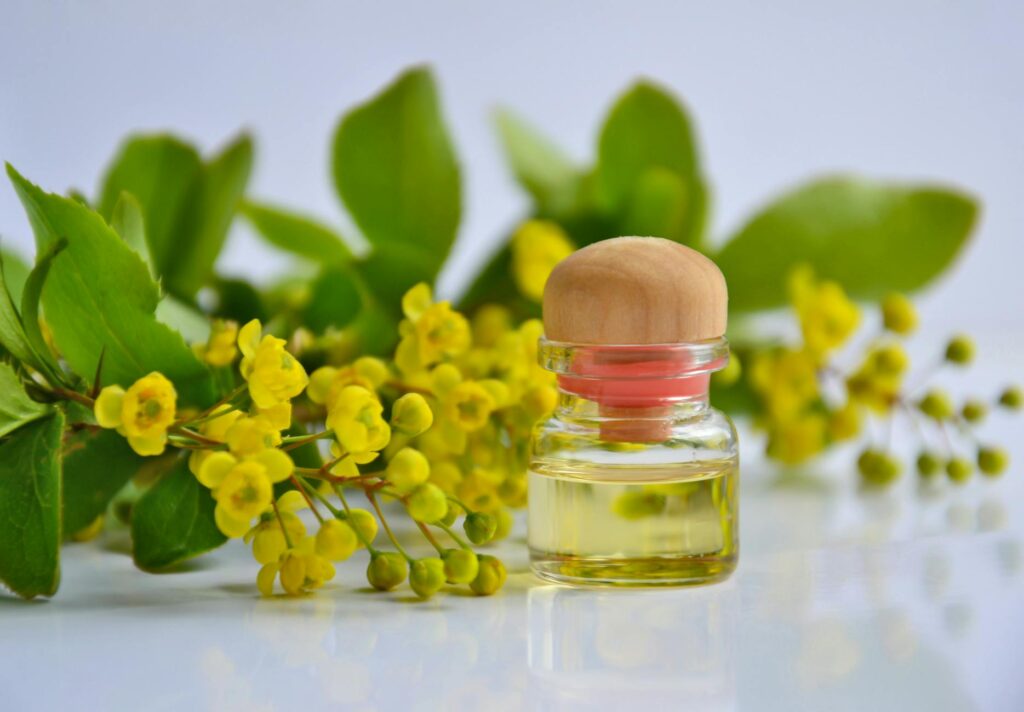
Health Benefits of Musk Extracts
Introduction
Musk extracts have long held a significant place in the world of perfumery, traditional medicine, and wellness practices. Derived from various sources, these aromatic substances have evolved over centuries, attracting attention for their unique fragrances and potential benefits. This article explores the health benefits of musk extracts, their properties, common uses, applications in aromatherapy, safety considerations, and storage tips.
What Is Musk Extracts?
Musk traditionally refers to a strong-smelling secretion produced by the male musk deer, primarily found in the Himalayas. However, due to ethical and conservation concerns regarding the harvesting of natural musk, synthetic alternatives and plant-based sources have gained prominence.
Today, musk extracts can be categorized into three primary types:
1. Natural Musk: Sourced from the gland of the musk deer, this form is rare and highly regulated due to the endangered status of the species.
2. Synthetic Musk: Created in laboratories, synthetic musk mimics the scent of natural musk and is widely used in perfumery and cosmetics.
3. Botanical Musk: Derived from various plants such as ambrette seeds, musk rose, or other aromatic herbs, this type is often favored for its natural origins and ethical sourcing.
Each type of musk extract possesses unique characteristics, contributing to its diverse applications in fragrance, wellness, and therapeutic practices.
Key Benefits and Properties
Musk extracts are celebrated for their distinctive aroma and potential health benefits. While scientific research on the specific effects of musk extracts is limited, the following properties are often attributed to them:
1. Aromatic Qualities: Musk has a rich, earthy, and slightly sweet fragrance. Its scent is often associated with warmth and sensuality, making it a popular choice in perfumes and scented products.
2. Mood Enhancer: The aroma of musk is believed to have calming effects, potentially reducing stress and anxiety levels. Many individuals find that musk-infused products help create a peaceful atmosphere.
3. Antimicrobial Properties: Some studies suggest that certain musk compounds may exhibit antimicrobial properties, which can contribute to the preservation of products and support healthy skin.
4. Aphrodisiac Effects: Historically, musk has been regarded as an aphrodisiac, often used in traditional practices to enhance romantic attraction and intimacy.
5. Skin Benefits: In traditional medicine, musk extracts have been used for their potential skin-soothing properties, though further research is needed to substantiate these claims.
Common Uses
Musk extracts are versatile and can be found in a wide array of products and applications:
1. Perfumes and Fragrances: Musk is a cornerstone of many perfumes, providing depth and longevity to scents.
2. Cosmetics: Many skincare and cosmetic products incorporate musk for its aromatic qualities and potential skin benefits.
3. Incense and Aromatic Oils: Musk-infused incense and aromatic oils are often used in spiritual practices and meditation to create a serene environment.
4. Traditional Medicine: In some cultures, musk has been utilized in traditional remedies, often in the form of tinctures or powders.
5. Household Products: Musk scents are also commonly found in household cleaning products, air fresheners, and candles.
Aromatherapy Applications
In aromatherapy, musk extracts are often used for their calming and grounding effects. Here are some common applications:
1. Diffusion: Musk essential oils can be added to a diffuser to create a tranquil atmosphere, helping to reduce stress and promote relaxation.
2. Massage Therapy: Blending musk extracts with carrier oils for massage can provide a soothing experience, enhancing emotional well-being.
3. Bathing: Adding musk-infused oils or bath products to bathwater can create a luxurious and calming bathing experience.
4. Meditation Practices: Musk’s grounding aroma can enhance meditation sessions, promoting a deeper sense of focus and tranquility.
5. Sleep Aids: Some practitioners recommend using musk in bedtime routines to create a calming environment conducive to restful sleep.
Safety Considerations
While musk extracts are generally considered safe for use, there are several safety considerations to keep in mind:
1. Skin Sensitivity: Before using musk extracts on the skin, it is advisable to conduct a patch test to check for potential allergic reactions or sensitivities.
2. Pregnancy and Nursing: Pregnant or nursing individuals should consult with a healthcare professional before using musk extracts or any essential oils.
3. Dilution: When using concentrated musk essential oils, it is essential to dilute them with a carrier oil to minimize the risk of skin irritation.
4. Quality of Source: Ensure that musk extracts are sourced from reputable suppliers to guarantee purity and avoid harmful additives.
5. Consultation: As with any aromatic or essential oil, consulting with a qualified aromatherapist or herbalist can provide personalized guidance based on individual needs and circumstances.
Storage and Shelf Life
To maintain the quality and potency of musk extracts, proper storage is essential:
1. Cool, Dark Place: Store musk extracts in a cool, dark location away from direct sunlight and heat sources. This helps preserve their aromatic qualities.
2. Tightly Sealed Containers: Use airtight containers to prevent oxidation and contamination. Dark glass bottles are often recommended for storing essential oils.
3. Shelf Life: The shelf life of musk extracts can vary depending on the source and extraction method. Generally, synthetic and botanical musks may last longer than natural musk. It is advisable to check for any changes in aroma or appearance before use.
Frequently Asked Questions
1. Is musk extract safe for everyone to use?
While musk extracts are generally safe, individuals with sensitive skin, pregnant or nursing women, and those with specific health conditions should consult a healthcare professional before use.
2. Can musk extracts be ingested?
Ingesting musk extracts is not recommended unless under the guidance of a qualified professional. Most uses are topical or aromatic.
3. How do I use musk in aromatherapy?
Musk can be used in various ways, including diffusion, massage, and adding to bath products. Always ensure proper dilution and consult an expert if unsure.
4. Are synthetic musk extracts as effective as natural ones?
Synthetic musk extracts can mimic the aroma of natural musk but may not possess the same properties. Their effectiveness can depend on the intended use and individual preferences.
5. Where can I find high-quality musk extracts?
Look for reputable suppliers specializing in essential oils and botanical extracts. Reading reviews and checking for third-party testing can help ensure quality.
Conclusion
Musk extracts have captivated humanity for centuries with their alluring scents and potential benefits. From their applications in perfumery to their use in aromatherapy, musk extracts offer a range of possibilities for enhancing well-being and creating a soothing atmosphere. By understanding their properties, uses, and safety considerations, individuals can appreciate the multifaceted nature of musk extracts while incorporating them into their daily lives.