
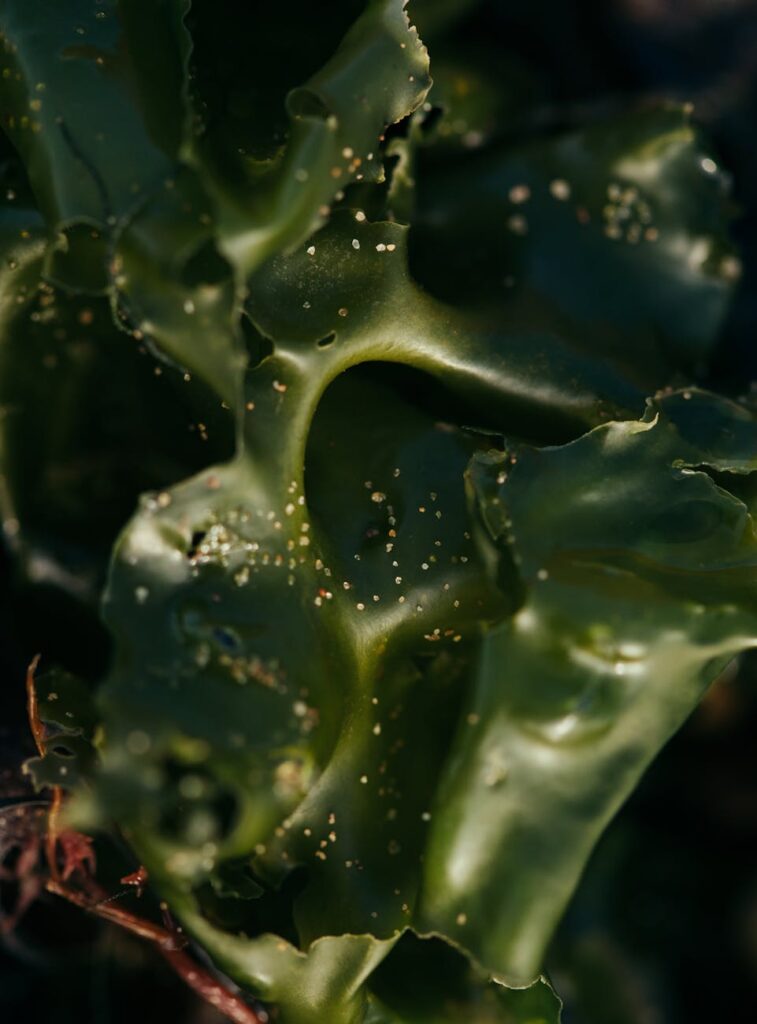
Health Benefits of Native Edible Seaweeds
Introduction
Native edible seaweeds have been utilized for centuries in various cultures, particularly along coastal regions. These marine plants are not only vital to the ecosystems they inhabit but also serve as a rich source of nutrients for human consumption. As interest in natural food sources and sustainable practices increases, the recognition of native edible seaweeds has grown, highlighting their potential health benefits. This article explores the characteristics, benefits, common uses, and safety considerations surrounding native edible seaweeds, providing a comprehensive look at this remarkable marine resource.
What Is Native Edible Seaweeds?
Native edible seaweeds are marine algae that thrive in coastal waters and are traditionally consumed by indigenous peoples. They come in various forms, including red, green, and brown algae, each with unique flavors, textures, and nutritional profiles. Common varieties include:
- Nori (Porphyra): Often used in sushi, nori has a delicate texture and a mild flavor.
- Kombu (Saccharina japonica): A key ingredient in Japanese cooking, kombu is often used to make dashi broth.
- Dulse (Palmaria palmata): Known for its chewy texture and savory flavor, dulse can be eaten raw or cooked.
- Wakame (Undaria pinnatifida): Frequently found in salads and soups, wakame has a slightly sweet, mild taste.
These seaweeds are typically harvested from wild sources or cultivated in controlled environments, ensuring sustainability and ecological balance.
Key Benefits and Properties
Native edible seaweeds are celebrated for their extensive nutritional content and potential health benefits:
Nutrient-Rich Composition
1. Vitamins and Minerals: Seaweeds are abundant in essential vitamins, such as A, C, E, and K, and are rich in minerals like iodine, calcium, iron, magnesium, and potassium. Iodine, in particular, is crucial for thyroid function.
2. Dietary Fiber: Seaweeds are an excellent source of dietary fiber, which can support digestive health and contribute to a feeling of fullness.
3. Antioxidants: Many varieties of seaweed contain antioxidants, which can help combat oxidative stress in the body.
Potential Health Benefits
1. Weight Management: The fiber content in seaweeds may help control appetite, making them a valuable addition to weight management strategies.
2. Heart Health: Some studies suggest that the consumption of seaweeds may positively influence cholesterol levels and blood pressure, thereby supporting cardiovascular health.
3. Gut Health: The prebiotic properties of certain seaweeds can promote gut health by fostering the growth of beneficial bacteria.
4. Anti-Inflammatory Effects: Certain compounds found in seaweeds have been studied for their potential anti-inflammatory properties, which may be beneficial for overall health.
5. Blood Sugar Control: Some research indicates that seaweeds may help regulate blood sugar levels, which is particularly relevant for those managing diabetes.
Common Uses
Native edible seaweeds can be incorporated into a variety of culinary applications:
Culinary Applications
1. Salads: Seaweeds like wakame can be rehydrated and mixed into salads, adding a nutrient boost and distinct umami flavor.
2. Soups and Broths: Kombu is often used to enhance the flavor of broths, while dulse can be added to various soups for added depth.
3. Snacks: Roasted seaweed snacks have gained popularity, providing a convenient and nutritious option for on-the-go consumption.
4. Seasoning: Ground seaweeds can be used as seasoning or a topping for dishes, imparting unique flavors and nutrients.
5. Smoothies: Finely powdered seaweed can be blended into smoothies for a nutritional enhancement.
Aromatherapy Applications
While native edible seaweeds are primarily recognized for their nutritional benefits, they also have applications in aromatherapy, particularly through the use of their extracts and essential oils. Seaweed extracts are often incorporated into skincare products due to their moisturizing and anti-aging properties.
Seaweed in Skincare
1. Moisturizing Properties: Seaweed extracts can help hydrate and nourish the skin, making them popular in creams and lotions.
2. Detoxification: The detoxifying properties of seaweed are utilized in body wraps and spa treatments, believed to draw out impurities.
3. Aromatherapy Blends: While seaweeds themselves may not be used directly in aromatherapy, their extracts can be blended with essential oils to create soothing and revitalizing products.
Relaxation and Wellness
The calming properties of certain seaweed-derived products can enhance relaxation during aromatherapy sessions, providing a holistic approach to wellness.
Safety Considerations
When incorporating native edible seaweeds into your diet or wellness routine, it is essential to consider the following safety aspects:
1. Iodine Content: High iodine levels in some seaweeds can be problematic for individuals with thyroid conditions. Moderation is key.
2. Contaminants: Seaweeds can absorb heavy metals and pollutants from their environment. It is crucial to source seaweeds from reputable suppliers who test for contaminants.
3. Allergies: Some individuals may be allergic to seaweeds. It is advisable to introduce seaweeds gradually and monitor for any adverse reactions.
4. Pregnancy and Nursing: Pregnant and nursing individuals should consult with healthcare providers regarding seaweed consumption, particularly concerning iodine levels.
Storage and Shelf Life
Proper storage of native edible seaweeds is essential to maintain their quality and nutritional value:
1. Dried Seaweeds: Store dried seaweeds in a cool, dark place in an airtight container to prevent moisture absorption. They typically have a shelf life of 1-2 years when stored correctly.
2. Fresh Seaweeds: Fresh seaweeds should be refrigerated and consumed within a few days for optimal freshness.
3. Cooked Seaweeds: Cooked seaweed dishes can be stored in the refrigerator for 3-5 days, but it’s advisable to consume them sooner for the best taste and texture.
Frequently Asked Questions
1. Can I eat raw seaweed?
Yes, many types of native edible seaweeds can be consumed raw. However, proper cleaning and preparation are essential to ensure they are safe for consumption.
2. How can I incorporate seaweeds into my diet?
You can add seaweeds to salads, soups, smoothies, or even snack on roasted seaweed. Experimenting with different varieties can help you find your favorites.
3. Are there any side effects of consuming seaweeds?
While seaweeds offer numerous health benefits, excessive consumption may lead to high iodine levels or digestive discomfort. Moderation is key.
4. Where can I buy native edible seaweeds?
Native edible seaweeds can be found in specialty health food stores, Asian grocery stores, or online retailers that focus on natural foods.
5. Are all seaweeds safe to eat?
Not all seaweeds are edible, and some may contain harmful substances. It is essential to ensure that the seaweed you consume is labeled as edible and sourced from reputable suppliers.
Conclusion
Native edible seaweeds are a versatile and nutrient-dense addition to the human diet. Their rich history and cultural significance, combined with their potential health benefits, make them an important food source in various cuisines. As interest in sustainable and natural food options grows, the appreciation for these marine plants continues to expand. By understanding their properties, uses, and safety considerations, individuals can make informed choices about incorporating native edible seaweeds into their diets and wellness practices.