
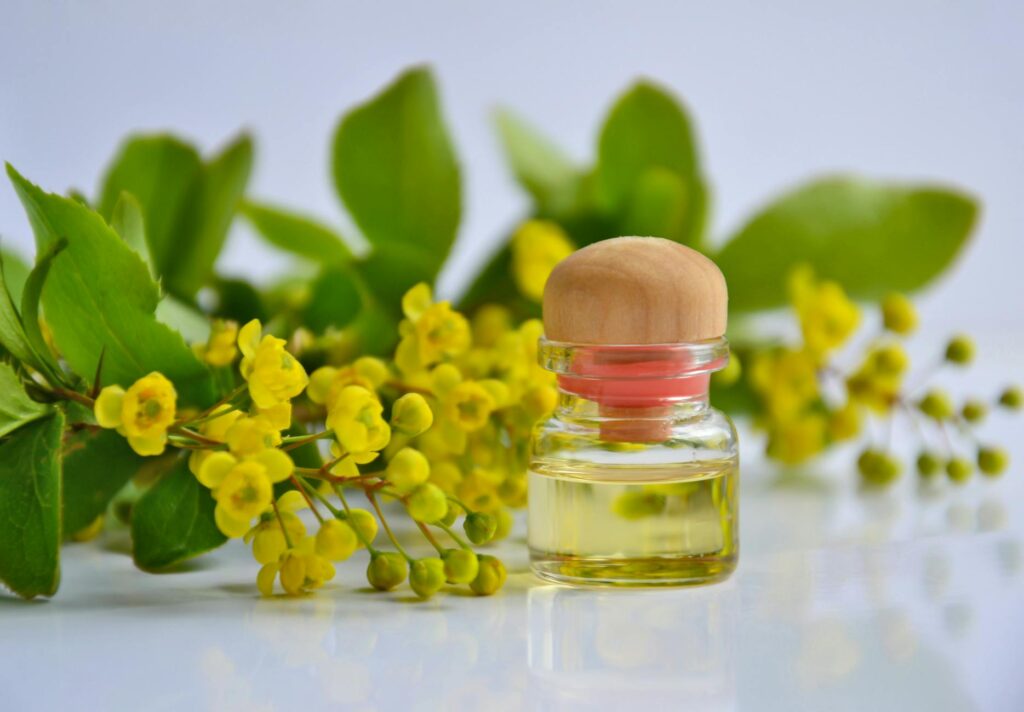
Health Benefits of Native Medicinal Plants
Introduction
Native medicinal plants have been integral to traditional healing practices across cultures for centuries. These plants, indigenous to specific regions, possess unique properties that have been utilized for their therapeutic benefits. This article explores the definition of native medicinal plants, their key benefits, common uses, and applications in aromatherapy, while also addressing safety considerations and storage practices.
What Are Native Medicinal Plants?
Native medicinal plants refer to flora that naturally occurs in a particular geographical area and has been historically used by local populations for their healing properties. These plants are often deeply rooted in the cultural and spiritual practices of indigenous peoples, who have extensive knowledge about their uses and benefits.
Native medicinal plants vary widely in type, including herbs, shrubs, and trees. They can be utilized in various forms such as teas, tinctures, essential oils, and salves. Each plant has its unique profile of bioactive compounds, contributing to its medicinal properties.
Key Benefits and Properties
The health benefits of native medicinal plants stem from their complex chemical compositions, which include essential oils, alkaloids, flavonoids, and other phytochemicals. Some key benefits include:
1. Antioxidant Properties: Many native plants contain powerful antioxidants that help neutralize free radicals in the body, potentially reducing oxidative stress and lowering the risk of chronic diseases.
2. Anti-inflammatory Effects: Certain plants have compounds that can reduce inflammation, making them valuable for alleviating conditions such as arthritis or muscle pain.
3. Antimicrobial Activity: Several native plants possess natural antimicrobial properties, making them effective against a range of pathogens, including bacteria, fungi, and viruses.
4. Digestive Support: Some herbs are known to aid digestion, alleviate bloating, and support gut health, which is essential for overall well-being.
5. Mood Enhancement: Aromatic plants can positively influence mood and emotional well-being due to their effect on the limbic system, the part of the brain associated with emotions.
Common Uses
Native medicinal plants can be utilized in various forms:
- Teas and Infusions: Many plants are brewed as teas to extract beneficial compounds. For example, chamomile and peppermint are popular for their calming and digestive properties.
- Tinctures: Alcohol or vinegar extracts of native plants can concentrate their medicinal properties for use in small doses.
- Essential Oils: Distillation of aromatic plants yields essential oils used in aromatherapy and topical applications.
- Salves and Ointments: Combining plant extracts with oils or waxes creates topical preparations for skin conditions, minor wounds, or muscle pain relief.
- Poultices: Crushing fresh herbs and applying them directly to the skin can provide localized relief for various ailments.
- Consultation: Always consult with a knowledgeable herbalist or healthcare provider before starting any new herbal regimen, especially if you are pregnant, nursing, or have pre-existing health conditions.
- Potential Allergies: Some individuals may have allergies to certain plants; conducting a patch test when using essential oils topically is advisable.
- Dosage: Understand the appropriate dosage for tinctures, teas, and essential oils. Excessive use can lead to adverse effects.
- Drug Interactions: Certain plants can interact with medications. Be aware of any potential interactions that could affect therapeutic outcomes.
- Quality of Products: Choose high-quality products sourced from reputable suppliers to avoid contaminants and ensure potency.
- Teas and Dried Herbs: Store in a cool, dark place in airtight containers to protect from moisture and light. Most dried herbs can retain their potency for 1-3 years.
- Tinctures: These should be kept in dark glass bottles and stored in a cool, dark place. Properly prepared tinctures can last for several years.
- Essential Oils: Store in dark glass containers away from light and heat. Most essential oils have a shelf life of 1-3 years but can vary depending on the oil.
- Salves and Ointments: Keep in a cool environment and use within a year for optimal effectiveness.
Aromatherapy Applications
Aromatherapy utilizes essential oils derived from native medicinal plants to improve physical and emotional health. Some common applications include:
1. Stress Relief: Oils such as lavender and chamomile are renowned for their calming effects, helping to reduce anxiety and promote relaxation.
2. Enhancing Sleep: Essential oils like valerian root and bergamot can improve sleep quality when diffused in the bedroom or added to a bedtime routine.
3. Respiratory Support: Oils like eucalyptus and peppermint can aid in breathing and clear nasal passages, making them useful during cold seasons.
4. Mood Enhancement: Citrus oils (e.g., lemon, orange) are uplifting and can help combat feelings of sadness or lethargy.
5. Pain Management: Oils such as ginger and black pepper can be diluted and applied topically to relieve muscle and joint pain.
Safety Considerations
While native medicinal plants offer numerous health benefits, it is essential to use them safely. Here are some safety considerations:
Storage and Shelf Life
Proper storage of native medicinal plants and their preparations is crucial for maintaining their efficacy. Here are some guidelines:
Frequently Asked Questions
1. Can anyone use native medicinal plants?
While many people can benefit from native medicinal plants, it’s essential to consider individual health conditions and potential allergies. Consulting a healthcare professional is advisable.
2. Are native medicinal plants effective for everyone?
The effectiveness of native medicinal plants can vary from person to person. Factors such as genetics, overall health, and the specific condition being treated play a role.
3. How do I know if a plant is native to my area?
Research local flora through botanical gardens, local herbalists, or reputable online resources focused on regional plants.
4. Can I grow my own native medicinal plants?
Yes, many native medicinal plants can be cultivated in home gardens. Check local regulations and guidelines for growing native species in your area.
5. Are there any resources for learning more about native medicinal plants?
Books, local herbalist workshops, community classes, and online courses can provide valuable information about native medicinal plants and their uses.
Conclusion
Native medicinal plants are a treasure trove of natural healing potential that have been utilized for generations. Understanding their benefits, uses, and safety considerations can empower individuals to incorporate these plants into their wellness routines. Whether through teas, tinctures, or aromatherapy, the wisdom of these plants continues to resonate in modern health practices, bridging the gap between tradition and contemporary wellness.