
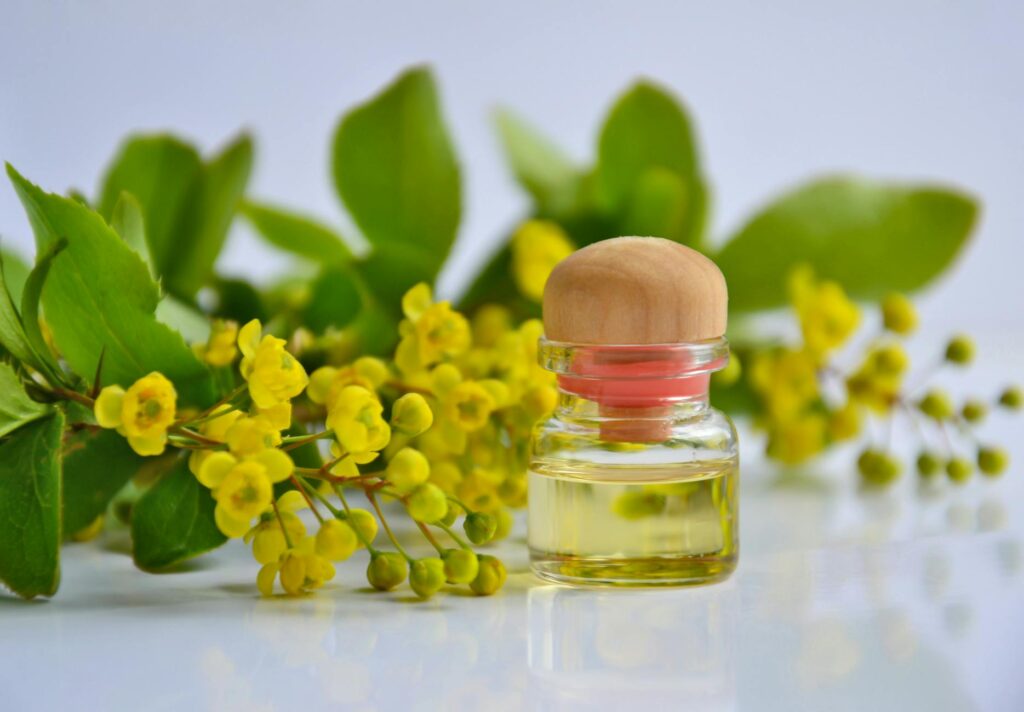
Health Benefits of Native Medicinal Trees
Introduction
Throughout history, various cultures have relied on the natural world for healing and wellness. Among these, native medicinal trees have stood out as vital sources of remedies and nourishment. These trees possess unique properties that have been utilized for centuries, providing both physical and psychological benefits. Understanding the health benefits of these trees can deepen our appreciation for biodiversity and the holistic approaches to health that have been passed down through generations.
What Is Native Medicinal Trees?
Native medicinal trees refer to tree species that are indigenous to a particular region and have been traditionally used by local populations for their therapeutic properties. These trees often thrive in their native habitats and have adapted to the local climate, soil, and ecological conditions. Their medicinal properties can include anti-inflammatory, antiseptic, analgesic, and antioxidant effects, among others.
Identifying native species is essential, as they often play a crucial role in local ecosystems, supporting wildlife and maintaining ecological balance. Some well-known examples of native medicinal trees include the Neem tree (Azadirachta indica), the Baobab (Adansonia digitata), and the White Willow (Salix alba).
Key Benefits and Properties
1. Anti-inflammatory Properties
Many native medicinal trees possess compounds that can reduce inflammation. For example, the bark of the White Willow contains salicin, a precursor to aspirin, known for its anti-inflammatory effects. Reducing inflammation can help alleviate symptoms associated with various conditions, such as arthritis and other inflammatory diseases.
2. Antimicrobial Effects
Certain trees, such as the Neem tree, are renowned for their potent antimicrobial properties. Neem has been traditionally used to combat infections due to its ability to inhibit the growth of bacteria, fungi, and viruses.
3. Antioxidant Activity
The leaves, bark, and fruits of many native trees, such as the Baobab, are rich in antioxidants. Antioxidants are vital for neutralizing free radicals in the body, which can contribute to aging and various diseases, including cancer.
4. Nutritional Benefits
Some native medicinal trees produce edible fruits and leaves that are rich in vitamins and minerals. For instance, the Baobab fruit is packed with vitamin C, calcium, and fiber, making it an excellent dietary supplement.
5. Mood Enhancement
The aromatic compounds found in the leaves and bark of certain trees can have a calming effect on the mind. For example, the essential oils from the leaves of the Eucalyptus tree are often used to promote relaxation and alleviate stress.
Common Uses
1. Traditional Medicine
Indigenous cultures have long utilized native medicinal trees in their traditional health practices. Herbal teas, poultices, and tinctures made from tree bark, leaves, and fruits are commonly used to treat various ailments.
2. Natural Remedies
With the growing interest in natural remedies, many people are turning to native medicinal trees for solutions to everyday health issues. Products like herbal infusions, essential oils, and dietary supplements derived from these trees are increasingly popular.
3. Culinary Applications
The fruits, nuts, and leaves of native medicinal trees can be incorporated into diets. For instance, Baobab fruit is often used in smoothies, snacks, and even baked goods due to its unique flavor and nutritional profile.
4. Cosmetic Use
Certain species are utilized in cosmetics and skincare products for their beneficial properties. Oils extracted from the seeds or nuts of these trees are often added to lotions, creams, and soaps for their moisturizing and healing effects.
Aromatherapy Applications
Aromatherapy is the practice of using essential oils extracted from plants to promote physical and emotional well-being. Native medicinal trees provide a rich source of essential oils that can be used in various ways:
1. Diffusion
Essential oils from native trees like Eucalyptus and Cedarwood can be diffused in the air to create a calming atmosphere. The inhalation of these oils may help reduce stress and promote relaxation.
2. Topical Application
Diluted essential oils extracted from the bark, leaves, or fruits of native trees can be applied to the skin. These oils can provide localized relief for conditions such as minor aches and pains or skin irritations.
3. Bathing
Adding a few drops of essential oil from native trees to a warm bath can enhance relaxation and provide therapeutic benefits. Eucalyptus and Tea Tree oils are popular choices for their soothing properties.
4. Massage
Incorporating essential oils into massage therapy can enhance the experience and provide additional health benefits. Oils from native trees can promote relaxation and alleviate muscle tension.
Safety Considerations
While native medicinal trees offer numerous benefits, it is essential to approach their use with caution:
1. Allergies
Some individuals may have allergic reactions to specific tree species or their extracts. It is advisable to perform a patch test before using any new product containing these substances.
2. Dosage
When utilizing herbal remedies, it is crucial to follow recommended dosages. Overconsumption can lead to adverse effects, and it is advisable to consult a knowledgeable practitioner for guidance.
3. Interactions
Certain tree extracts may interact with medications or other herbal supplements. Individuals taking medication should consult a healthcare professional before incorporating new remedies into their regimen.
4. Ethical Sourcing
Sustainable harvesting practices are vital to ensuring the continued availability of native medicinal trees. Overharvesting can lead to ecological imbalances and the depletion of valuable resources.
Storage and Shelf Life
Proper storage is essential to maintaining the potency and effectiveness of products derived from native medicinal trees:
1. Essential Oils
Essential oils should be stored in dark glass bottles in a cool, dry place away from direct sunlight. When stored correctly, most essential oils can last for several years, although their potency may gradually diminish over time.
2. Dried Herbs
Dried leaves and bark should be kept in airtight containers and stored in a cool, dark area. When stored properly, dried herbs can retain their potency for up to a year or more.
3. Tinctures and Extracts
Alcohol-based tinctures should be stored in a cool, dark place to prevent degradation. When properly sealed and stored, tinctures can have a shelf life of several years.
Frequently Asked Questions
1. Can anyone use products derived from native medicinal trees?
While many individuals can benefit from these products, it is crucial to consider personal allergies and sensitivities. Those with pre-existing health conditions or those who are pregnant should consult a healthcare professional.
2. How do I know which native medicinal tree to use for my needs?
Researching the specific properties and traditional uses of various native medicinal trees can help guide your choices. Consulting with a qualified herbalist or practitioner can provide personalized recommendations.
3. Are there any adverse effects associated with native medicinal trees?
While many native medicinal trees are safe when used appropriately, some may cause side effects or allergic reactions. It is essential to use these products mindfully and to be aware of any personal sensitivities.
4. How can I ethically source native medicinal trees?
Look for reputable suppliers who practice sustainable harvesting techniques. Supporting local businesses and ethical brands can help ensure that the use of native medicinal trees contributes positively to both communities and ecosystems.
Conclusion
The myriad health benefits of native medicinal trees highlight the interconnectedness of nature and human well-being. As we explore their properties and applications, we gain a deeper understanding of the importance of preserving these valuable resources. By utilizing native trees wisely and responsibly, we can tap into their potential for promoting health and harmony in our lives.