
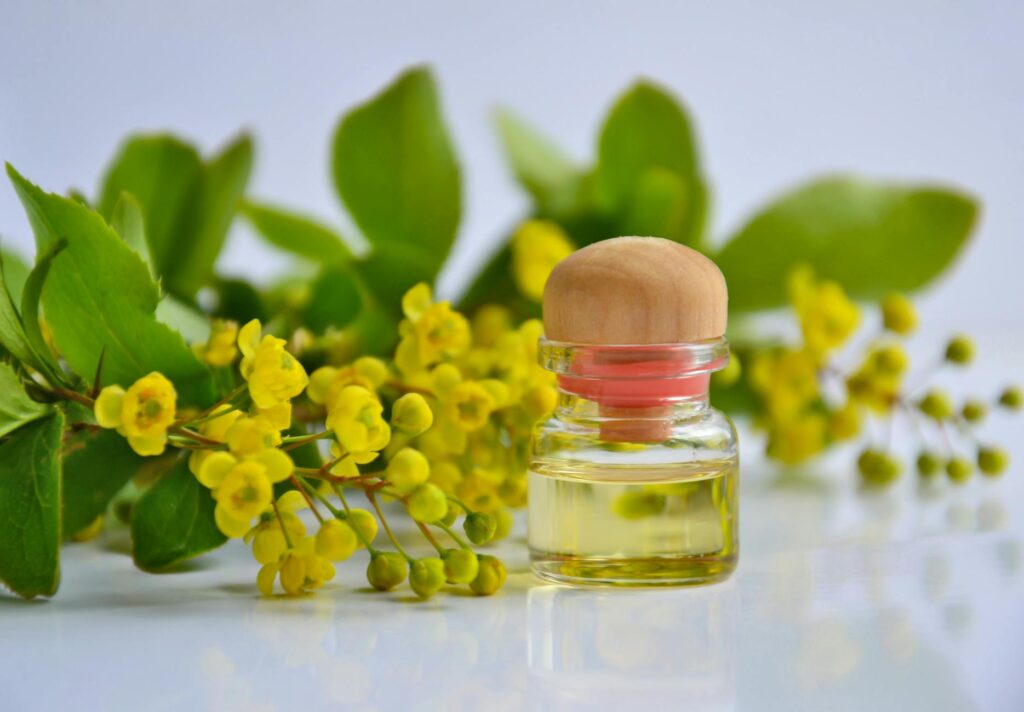
Health Benefits of Native Medicinal Vines
Introduction
The world of medicinal plants is vast and diverse, with a plethora of species offering various health benefits and therapeutic properties. Among these, native medicinal vines hold a unique place in traditional medicine practices across different cultures. These climbing plants are not only used for their aesthetic appeal in gardens and landscapes but also for their remarkable health benefits. This article delves into the essence of native medicinal vines, exploring their properties, common uses, and applications in aromatherapy.
What Is Native Medicinal Vines?
Native medicinal vines refer to climbing or trailing plants that are indigenous to a specific region and possess therapeutic properties. These vines have been utilized in traditional medicine for centuries, often passed down through generations. They are characterized by their ability to adapt to various environments and can be found in forests, open fields, and even urban settings. Common examples include plants like Passiflora (passionflower), Humulus lupulus (hops), and Cissus quadrangularis (Veldt grape), each known for its unique benefits and applications.
Key Benefits and Properties
Native medicinal vines are packed with a variety of phytochemicals, including flavonoids, alkaloids, and terpenes, which contribute to their health benefits. Below are some of the key properties associated with these vines:
1. Anti-Inflammatory Properties
Many native medicinal vines exhibit anti-inflammatory effects, making them useful in alleviating conditions associated with inflammation, such as arthritis or skin irritations.
2. Antioxidant Activity
The presence of antioxidants in these vines helps combat oxidative stress in the body. Antioxidants play a crucial role in neutralizing free radicals, potentially reducing the risk of chronic diseases.
3. Sedative Effects
Certain vines, such as passionflower, are known for their calming effects and are often used to promote relaxation and improve sleep quality.
4. Digestive Health
Some vines aid in digestion and may help alleviate gastrointestinal issues. For example, Cissus quadrangularis is reputed for its positive effects on digestive health.
5. Immune Support
Several native medicinal vines contain compounds that support immune function, enhancing the body’s ability to ward off infections and diseases.
Common Uses
The applications of native medicinal vines are diverse, spanning across various domains, from culinary to medicinal uses. Here are some common ways these vines are utilized:
1. Herbal Teas and Infusions
Many native vines can be brewed into teas, offering a flavorful and healthful beverage. These teas can be enjoyed for their calming effects or digestive benefits.
2. Tinctures and Extracts
Alcohol-based tinctures or glycerin extracts are often made from the leaves, flowers, or roots of these vines, concentrating their beneficial properties for easier consumption.
3. Topical Applications
Certain vines can be used in the form of poultices or salves to address skin issues or localized inflammation.
4. Culinary Use
Some native vines produce edible fruits or leaves that can be incorporated into various dishes, enhancing both flavor and nutritional value.
Aromatherapy Applications
Aromatherapy harnesses the power of essential oils and plant extracts to promote physical and emotional well-being. Native medicinal vines can play a significant role in this practice, particularly through their essential oils and aromatic properties.
1. Essential Oils
Certain vines, such as hops, yield essential oils that can be used in diffusers or blended into massage oils. These oils may help alleviate stress, promote relaxation, and enhance mood.
2. Inhalation Therapy
Inhaling the aroma of essential oils derived from native medicinal vines can provide a natural way to relieve anxiety and improve mental clarity.
3. Room Fresheners
Essential oils from these vines can also be utilized in home fragrances, creating a calming and inviting atmosphere.
Safety Considerations
While native medicinal vines offer numerous benefits, it is essential to approach their use with caution. Here are some safety considerations to keep in mind:
1. Consultation with a Professional
Before incorporating any new herbal remedy into your routine, it is advisable to consult with a qualified healthcare professional, especially if you are pregnant, nursing, or taking medications.
2. Allergic Reactions
As with any plant-based product, some individuals may have allergic reactions to certain vines. Conduct a patch test before topical application to check for sensitivity.
3. Proper Dosage
Adhering to recommended dosages is crucial. Overconsumption of herbal products can lead to adverse effects, so it is important to follow guidelines provided by reputable sources.
4. Drug Interactions
Some native medicinal vines may interact with prescription medications, altering their effectiveness. Always check with a healthcare provider if you are on medication.
Storage and Shelf Life
To maintain the potency and effectiveness of native medicinal vines, proper storage is essential. Here are some guidelines:
1. Dried Herbs
Store dried leaves and stems in airtight containers, away from direct sunlight, heat, and moisture. When stored correctly, dried herbs can last for up to a year.
2. Tinctures and Extracts
Keep tinctures in dark glass bottles to protect them from light. Properly stored, they can last for several years.
3. Essential Oils
Essential oils should be stored in a cool, dark place, tightly sealed to prevent oxidation. Most essential oils have a shelf life of about one to three years, depending on the type.
Frequently Asked Questions
1. Are all native medicinal vines safe to use?
Not all native medicinal vines are safe; it’s crucial to research each vine and consult with a healthcare professional before use.
2. Can I grow native medicinal vines at home?
Yes, many native medicinal vines can be cultivated in home gardens, provided you have the right growing conditions.
3. How do I prepare herbal teas from native vines?
To prepare herbal tea, steep the leaves or flowers of the vine in hot water for several minutes, then strain and enjoy.
4. Are there side effects associated with native medicinal vines?
While many native vines are safe, side effects can occur. It’s important to use them in moderation and consult a healthcare professional if you experience adverse reactions.
5. What are the best ways to use essential oils from native vines?
Essential oils can be used in diffusers, added to bathwater, or combined with carrier oils for topical applications. Always ensure they are diluted properly.
Conclusion
Native medicinal vines are a treasure trove of health benefits and aromatic properties, offering a natural approach to wellness. Their versatility in culinary, medicinal, and aromatherapy applications makes them a valuable addition to both traditional and modern practices. As with all herbal remedies, it is essential to approach their use with knowledge and caution, ensuring that their integration into your health regimen is both safe and effective. By appreciating and understanding these remarkable plants, we can harness their potential to enhance our overall well-being.