
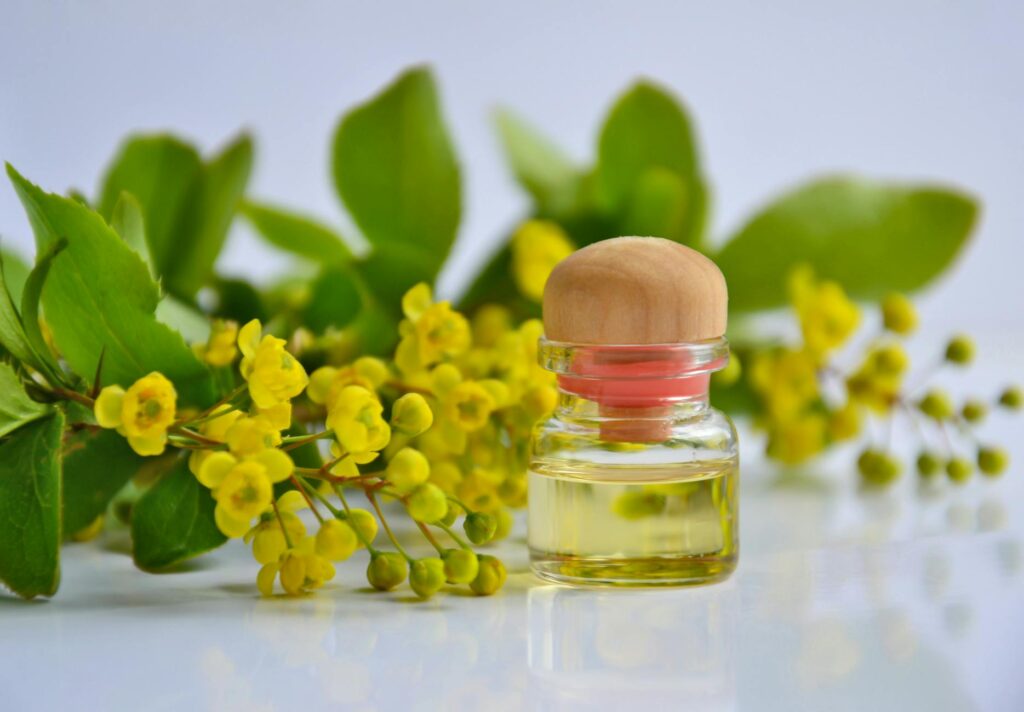
Health Benefits of Native Wild Edible Plants
Introduction
Native wild edible plants are an integral part of many ecosystems and cultures around the world. These plants have evolved over millennia, adapting to local climates and soil conditions, and they often possess unique nutritional profiles and health benefits. As people increasingly seek natural and sustainable food sources, the interest in foraging and utilizing these native species is growing. Understanding the benefits, uses, and safety considerations of these plants can empower individuals to incorporate them into their diets and wellness practices.
What Are Native Wild Edible Plants?
Native wild edible plants refer to species that grow naturally in a specific region without human intervention. They are adapted to local environmental conditions and have thrived alongside indigenous populations, often serving as important food sources. Some examples include dandelions, nettles, wild garlic, and various berries. These plants are not only nutritious but also contribute to the biodiversity of their ecosystems.
Characteristics
1. Adaptability: These plants have developed traits that allow them to survive and thrive in their native habitats.
2. Nutritional Value: Many wild edibles are rich in vitamins, minerals, and antioxidants, often surpassing cultivated varieties.
3. Ecological Importance: They play vital roles in their ecosystems, supporting wildlife and maintaining soil health.
Key Benefits and Properties
Native wild edible plants offer a multitude of health benefits due to their rich nutritional profiles. Here are some key properties:
Nutritional Profile
- Vitamins and Minerals: Many wild edibles are high in vitamins A, C, and K, as well as essential minerals like iron and calcium.
- Antioxidants: These plants often contain antioxidants, which help combat oxidative stress and may support overall health.
- Fiber: Many wild edibles are high in dietary fiber, which is essential for digestive health.
- Salads: Many wild greens, such as chickweed and lamb’s quarters, can be used fresh in salads.
- Teas: Leaves from plants like peppermint or lemon balm can be steeped to make herbal teas.
- Soups and Stews: Wild mushrooms and greens can be added to soups and stews for added flavor and nutrition.
- Infused Oils and Vinegars: Certain herbs can be infused into oils or vinegars for culinary use.
- Herbal Remedies: Plants like echinacea and elderberry have been used in traditional practices.
- Natural Dyes and Tinctures: Some plants are utilized for their coloring properties, while others can be made into tinctures for flavoring or preservation.
- Wild Lavender: Known for its calming effects, wild lavender oil can be used to promote relaxation.
- Wild Mint: The invigorating scent of wild mint can help to stimulate the senses and enhance focus.
- Sage: Often used in cooking, sage can also be burned as a smudge to purify spaces.
- Thyme: Known for its earthy aroma, thyme can be incorporated into meals and used for its calming properties in aromatherapy.
- Proper Identification: It is vital to accurately identify wild plants, as some may have toxic look-alikes. Consulting field guides or knowledgeable foragers can help prevent mistakes.
- Local Regulations: Be aware of local regulations regarding foraging, as some areas may have restrictions to protect native species.
- Start Slow: If you are new to consuming wild edibles, start with small amounts to gauge your body’s reaction.
- Cooking: Some plants may be more palatable or safe when cooked, so consider preparation methods.
- Allergic Reactions: As with any food, some individuals may have allergies or sensitivities to specific wild edible plants. Monitor for any adverse reactions when trying new plants.
- Refrigeration: Many fresh wild greens can be stored in the refrigerator in a damp paper towel or in a breathable container for several days.
- Freezing: Some plants, like berries, can be washed and frozen for longer preservation.
- Drying: Wild herbs can be air-dried and stored in airtight containers in a cool, dark place. Properly dried herbs can last for several months to a year.
- Labeling: Always label containers with the name and date of drying to keep track of freshness.
Health Benefits
1. Support Immune Function: The high vitamin C content in many wild edible plants can bolster the immune system.
2. Anti-inflammatory Properties: Certain plants, like nettles, are known for their anti-inflammatory effects, which may benefit those with chronic inflammatory conditions.
3. Blood Sugar Regulation: Some wild plants can help regulate blood sugar levels, making them beneficial for those monitoring their glucose.
Common Uses
Native wild edible plants can be utilized in various culinary applications, enhancing both flavor and nutritional value. Here are some common uses:
Culinary Applications
Medicinal Uses
Although this article does not provide medical advice, many indigenous cultures have historically used wild edible plants for their potential health benefits. For example:
Aromatherapy Applications
While primarily used for culinary and medicinal purposes, native wild edible plants can also have applications in aromatherapy. The aromatic compounds found in these plants are often extracted for their fragrance and potential therapeutic effects.
Essential Oils
Some wild plants can be distilled to produce essential oils with aromatic properties. These oils may be used in diffusers, bath products, or topical applications (when diluted appropriately).
Aromatic Herbs
Many native wild edible plants are also aromatic herbs that can be used in cooking and as natural fragrances. Their scents can uplift mood and create a soothing environment.
Safety Considerations
While native wild edible plants can offer numerous benefits, it is essential to approach foraging and consumption with caution.
Identification
Consumption
Allergies and Sensitivities
Storage and Shelf Life
Proper storage of native wild edible plants is essential to maintain their freshness and nutritional value. Here are some tips:
Fresh Plants
Dried Plants
Frequently Asked Questions
1. Can all wild edible plants be consumed?
Not all wild plants are safe to eat. It is crucial to correctly identify plants and consult reliable resources or experts before consumption.
2. How can I learn more about foraging?
Books, workshops, and local foraging groups can provide valuable knowledge and experience in identifying and using wild edible plants.
3. Are wild edible plants more nutritious than cultivated ones?
Many native wild edible plants are indeed more nutrient-dense than their cultivated counterparts, offering higher levels of vitamins, minerals, and antioxidants.
4. What are some common wild edible plants I can find?
Commonly foraged wild edibles include dandelions, chickweed, nettles, ramps, and various berries like blackberries and blueberries.
5. How can I incorporate wild edibles into my diet?
Start by adding small amounts of wild greens to salads, soups, or smoothies. Experiment with different plants to discover which ones you enjoy.
Conclusion
Native wild edible plants are not only a sustainable food source but also offer a rich tapestry of flavors, aromas, and health benefits. As interest in foraging and natural living grows, understanding the properties, uses, and safety considerations of these plants can enhance both culinary experiences and well-being. By embracing the natural bounty around us, we can foster a deeper connection with our environment and promote biodiversity.