
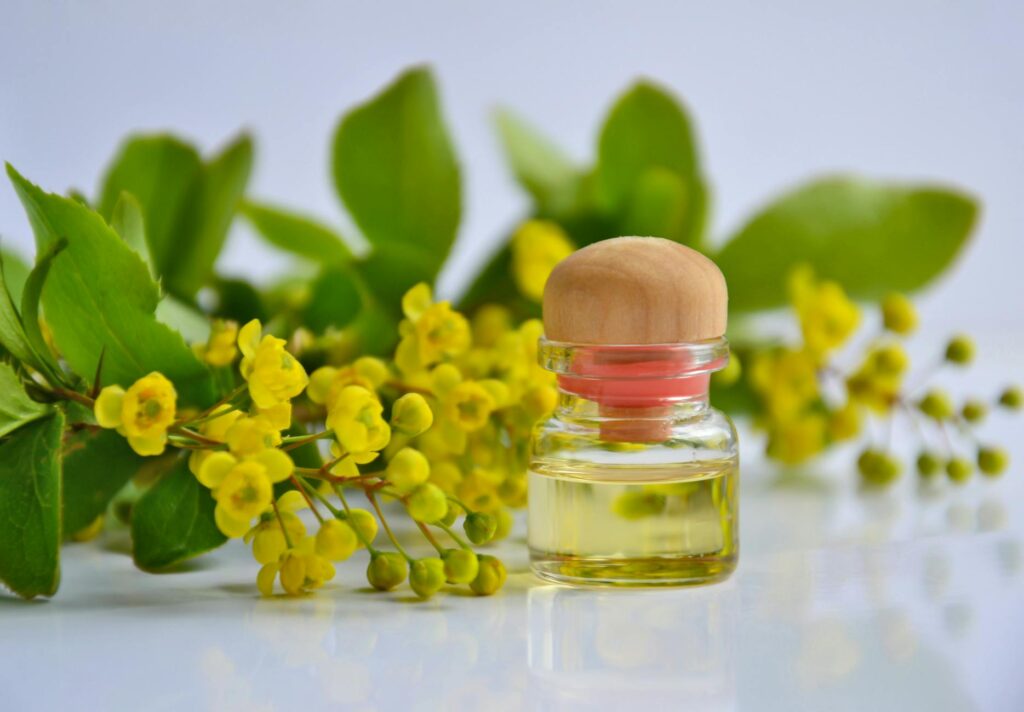
Health Benefits of Native Wild Medicinal Plants
Introduction
Native wild medicinal plants have been integral to human health and well-being for centuries. Across different cultures, these plants have been utilized for their therapeutic properties, often forming the backbone of traditional medicine systems. With the growing interest in natural remedies and holistic health, understanding the benefits and applications of these plants has gained importance. This article delves into the essence of native wild medicinal plants, their properties, common uses, applications in aromatherapy, safety considerations, and more.
What Are Native Wild Medicinal Plants?
Native wild medicinal plants are flora that naturally occurs in a specific region and have been traditionally used by indigenous peoples for their healing properties. These plants are often adapted to their local environment, making them resilient and valuable resources for sustainable health practices. Examples include echinacea, willow bark, and St. John’s Wort, among others.
These plants are typically harvested from their natural habitats and can be used in various forms, such as tinctures, teas, essential oils, and poultices. Their importance is not only rooted in herbal medicine but also in biodiversity, conservation, and cultural heritage.
Key Benefits and Properties
Native wild medicinal plants exhibit a wide range of beneficial properties. Some of the key benefits include:
1. Anti-Inflammatory Properties: Many native plants, such as turmeric and ginger, have compounds that can help reduce inflammation, making them useful for joint pain and inflammatory conditions.
2. Antioxidant Activity: Plants like elderberry and hawthorn are rich in antioxidants, which can combat oxidative stress and promote overall health.
3. Antimicrobial Properties: Certain wild plants, such as garlic and tea tree, possess antimicrobial properties, helping to protect against infections.
4. Digestive Support: Native herbs like peppermint and chamomile are known for their soothing effects on the digestive system, aiding in issues such as bloating and indigestion.
5. Mood Enhancement: Some plants, notably St. John’s Wort, are recognized for their potential mood-lifting effects, often used in traditional practices to alleviate mild depressive symptoms.
6. Immune System Support: Echinacea and elderberry are frequently utilized for their immune-boosting properties, especially during cold and flu season.
Common Uses
The uses of native wild medicinal plants are diverse and often overlap with traditional practices. Common applications include:
- Teas and Infusions: Many plants can be steeped in hot water to create soothing beverages, ideal for various ailments.
- Tinctures: Alcohol or vinegar extracts of plants can concentrate their medicinal properties for easier consumption.
- Salves and Ointments: Topical applications made from infused oils can be used to treat skin irritations or muscular pain.
- Essential Oils: Distilled from the leaves, flowers, or roots, essential oils capture the volatile compounds of plants and are often utilized in aromatherapy.
- Poultices: Fresh or dried plants can be mashed and applied to the skin for localized treatment.
- Dried Herbs: Store in a cool, dark place in airtight containers to prevent degradation from light and moisture. Properly dried herbs can last for about one year.
- Tinctures: These should be kept in dark glass bottles away from direct sunlight. When stored correctly, tinctures can last for several years.
- Essential Oils: Proper storage is critical for maintaining their properties. Essential oils should be kept in dark glass containers and stored in a cool place. Most essential oils have a shelf life of 1 to 3 years, but some can last longer.
- Teas and Infusions: Herbal teas should be consumed within six months to a year for optimal flavor and effectiveness.
Aromatherapy Applications
Aromatherapy, the practice of using essential oils for therapeutic benefits, has gained popularity in recent years. Many native wild medicinal plants are excellent sources of essential oils that can be used in this practice.
1. Lavender: Known for its calming properties, lavender essential oil is often used to promote relaxation and enhance sleep quality.
2. Peppermint: The invigorating scent of peppermint can help improve focus and alleviate headaches when used in aromatherapy diffusers.
3. Eucalyptus: With its refreshing aroma, eucalyptus is commonly used to support respiratory health and clear nasal passages.
4. Tea Tree: Recognized for its antimicrobial properties, tea tree oil can be beneficial in treating skin issues, and its scent can help purify the air.
5. Sage: Often associated with cleansing rituals, sage essential oil is used in aromatherapy to promote mental clarity and emotional balance.
When using essential oils, it is essential to dilute them in a carrier oil before topical application, as concentrated oils can cause skin irritation.
Safety Considerations
While native wild medicinal plants offer numerous benefits, it is crucial to approach their use with caution. Some safety considerations include:
1. Consultation: Always consult with a qualified herbalist or healthcare professional before using medicinal plants, especially if you are pregnant, nursing, or taking prescription medications.
2. Identification: Proper identification of plants is vital, as some species can be toxic or have undesirable side effects. Engaging with local experts or using reputable guides can mitigate risks.
3. Dosage: Like any herbal remedy, dosage plays a critical role in efficacy and safety. Excessive consumption can lead to adverse reactions.
4. Allergies: Be aware of any personal allergies to specific plants or their family members, as this can lead to allergic reactions.
5. Quality Control: Ensure that any products sourced from wild plants are harvested sustainably and processed in a manner that maintains their integrity.
Storage and Shelf Life
Proper storage of native wild medicinal plants is essential to preserve their potency and effectiveness. Here are some key points:
Frequently Asked Questions
1. How can I identify native wild medicinal plants?
Identifying native wild medicinal plants requires knowledge of local flora. Consulting field guides, attending workshops, and working with local herbalists can enhance your identification skills.
2. Can I cultivate native wild medicinal plants in my garden?
Yes, many native wild medicinal plants can be cultivated in home gardens. Research the specific needs of each plant regarding soil, light, and water to ensure successful growth.
3. Are there any risks associated with using native wild medicinal plants?
Yes, some plants can have toxic effects or interact negatively with medications. Always conduct thorough research and seek professional guidance before using any plant medicinally.
4. How do I know if a plant is safe to use?
First, ensure proper identification of the plant. Second, consult trusted resources or professionals knowledgeable about herbal medicine.
5. Can I use native wild medicinal plants in children’s remedies?
Some native plants may be safe for children, but it is essential to consult with a healthcare provider or a qualified herbalist regarding dosages and appropriateness.
Conclusion
Native wild medicinal plants hold a wealth of knowledge and therapeutic potential that has been valued for generations. By understanding their properties, uses, and safety considerations, individuals can explore these natural resources responsibly. As interest in holistic health grows, so does the importance of preserving and respecting these plants and the traditional wisdom associated with them.