
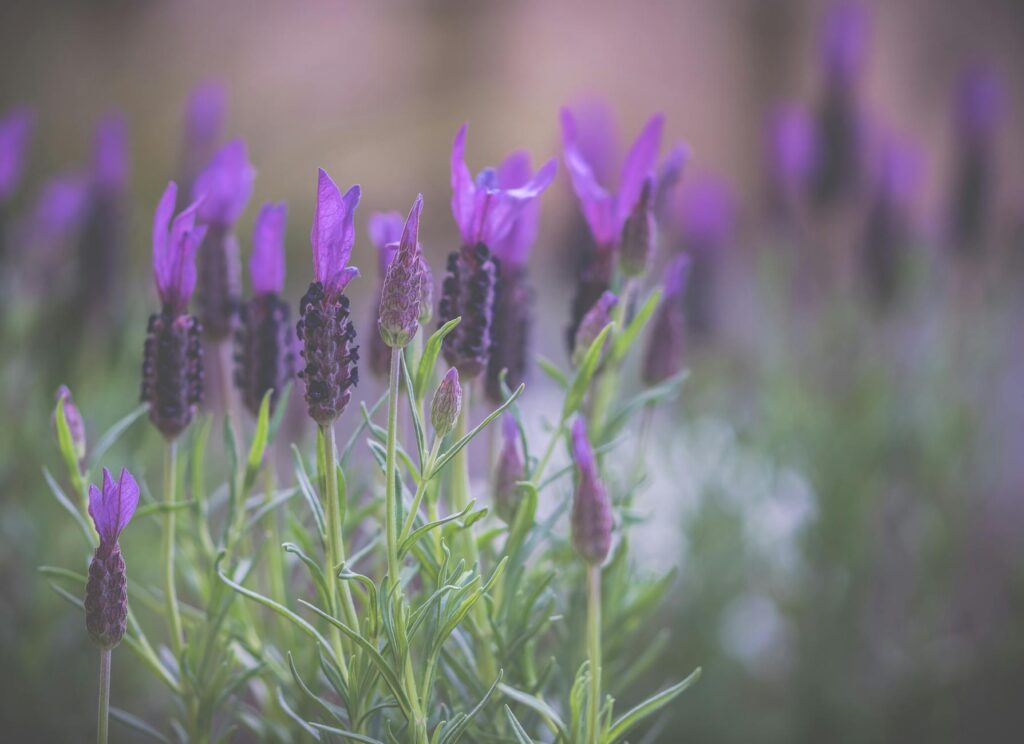
Health Benefits of Native Wildflowers
Introduction
Native wildflowers are not only aesthetically pleasing but also serve as an essential component of their ecosystems. These plants, which have evolved in a specific region, possess unique characteristics that make them valuable for both the environment and human well-being. This article explores the health benefits of native wildflowers, their properties, common uses, and applications in aromatherapy, along with important safety considerations and storage tips.
What Are Native Wildflowers?
Native wildflowers are flowering plants that have naturally grown in a specific geographic area for thousands of years. They are adapted to their local environment, including soil type, climate, and other ecological factors. Unlike ornamental species that are cultivated for gardens, native wildflowers play a pivotal role in supporting local wildlife, including pollinators like bees and butterflies.
These plants can vary significantly in appearance, size, and habitat, from the delicate blooms of the prairie to the robust varieties found in woodlands. Some examples include the California poppy, black-eyed Susan, and wild indigo. Their resilience and adaptability make them an integral part of biodiversity, contributing to healthy ecosystems.
Key Benefits and Properties
Nutritional Value
Many native wildflowers are edible and can provide essential nutrients. For instance, flowers like dandelions are rich in vitamins A, C, and K, as well as antioxidants and minerals. These nutrients can support overall health and wellness when incorporated into the diet.
Medicinal Properties
Historically, various indigenous cultures have utilized native wildflowers for their medicinal properties. Some species are known for their anti-inflammatory, antiseptic, and calming effects. For example, echinacea is commonly associated with immune support, while chamomile, known for its soothing properties, is often used to promote relaxation.
Biodiversity Support
Native wildflowers support local ecosystems by providing food and habitat for a variety of wildlife. This biodiversity is essential for maintaining ecological balance, promoting pollination, and supporting other plant species. By conserving and planting native wildflowers, we contribute to the health of our environment.
Soil Health
The deep-root systems of many native wildflowers help prevent soil erosion, improve soil structure, and increase nutrient availability. This is particularly important in areas prone to degradation, where native plants can help restore ecological health.
Aesthetic and Psychological Benefits
The vibrant colors and diverse forms of native wildflowers can enhance landscapes and contribute to mental well-being. Studies have shown that spending time in nature and surrounding oneself with plants can reduce stress, improve mood, and increase overall happiness.
Common Uses
Native wildflowers can be used in various ways, including:
Culinary Uses
Many native wildflowers are edible and can be used in salads, teas, and as garnishes. They add unique flavors and visual appeal to dishes. Always ensure proper identification and consult local guides when foraging for wildflowers.
Ornamental Gardening
Planting native wildflowers in gardens can enhance biodiversity and provide habitats for pollinators. They require less maintenance compared to non-native species and are well-adapted to local climates, leading to lower water usage and chemical inputs.
Natural Dyes
Certain native wildflowers can produce natural dyes for textiles and crafts. For instance, goldenrod can yield a vibrant yellow dye, while indigo provides a rich blue hue. These natural dyes are a sustainable alternative to synthetic options.
Aromatherapy Applications
Aromatherapy is the practice of using essential oils extracted from plants to promote physical and emotional well-being. Native wildflowers can be a source of essential oils with various therapeutic properties. Here are some common applications:
Stress Relief
Essential oils derived from native wildflowers, such as lavender and chamomile, are known for their calming effects. These oils can be used in diffusers, bath salts, or massage oils to help alleviate stress and promote relaxation.
Respiratory Support
Some wildflowers, like eucalyptus, are used in aromatherapy to support respiratory health. Inhalation of their essential oils can help clear congestion and ease breathing, making them useful during seasonal changes.
Skin Care
Many native wildflower oils possess antibacterial and anti-inflammatory properties, making them suitable for skincare applications. Oils like calendula and rosehip can be incorporated into creams and salves to promote healthy skin.
Mood Enhancement
Aromatherapy with native wildflower oils can uplift mood and enhance emotional well-being. Oils like geranium and ylang-ylang are often used to create a positive and invigorating atmosphere.
Safety Considerations
While native wildflowers offer numerous benefits, it is essential to consider safety precautions:
Proper Identification
When foraging for wildflowers or using them for medicinal purposes, accurate identification is crucial. Some plants can be toxic or cause allergic reactions. Utilize reliable field guides or consult with an expert before use.
Essential Oil Quality
If using essential oils derived from native wildflowers, ensure you are sourcing from reputable suppliers. The quality and purity of essential oils can vary significantly, impacting their efficacy and safety.
Allergies and Sensitivities
Individuals should be aware of any allergies or sensitivities to specific plants. Conduct a patch test when using a new essential oil topically and consult with a healthcare provider if uncertain.
Pregnant or Nursing Women
Pregnant and nursing women should exercise caution when using essential oils, as some may not be safe during these periods. Always consult a healthcare professional for guidance.
Storage and Shelf Life
To maintain the effectiveness of native wildflower products, proper storage is essential:
Essential Oils
Store essential oils in dark glass bottles, away from direct sunlight and heat sources. A cool, dark place is ideal to prolong their shelf life, which typically ranges from 1 to 3 years, depending on the oil.
Dried Flowers
If using dried native wildflowers for teas or culinary applications, store them in airtight containers in a cool, dark place. Properly dried and stored flowers can last up to a year, although potency may diminish over time.
Fresh Flowers
Fresh native wildflowers should be kept in a cool, dry environment. If using them for culinary purposes, consume them shortly after harvesting to ensure optimal flavor and nutritional value.
Frequently Asked Questions
Can I use any wildflower in my cooking?
Not all wildflowers are edible. It is crucial to properly identify wildflowers before consuming them and to consult reliable resources or experts.
How can I ensure I’m using high-quality essential oils?
Look for essential oils that are labeled as pure, organic, and sourced from reputable suppliers. Third-party testing and certifications can also indicate quality.
Are there any wildflowers that are particularly beneficial for skin care?
Yes, wildflowers like calendula, chamomile, and lavender are often used for their soothing and healing properties in skincare formulations.
How do I incorporate wildflowers into my garden?
Consider planting a variety of native wildflowers suited to your local climate and soil conditions. Group plants by their growth requirements and choose species that bloom at different times to support a continuous display of color and attract pollinators.
Can I make my own essential oils from native wildflowers?
While it is possible to extract essential oils at home through methods like steam distillation, this process can be complex and requires specific equipment. It may be more practical to purchase high-quality oils from reputable suppliers.
Conclusion
Native wildflowers offer a plethora of health benefits and serve as a vital component of our ecosystems. Their nutritional value, medicinal properties, and applications in aromatherapy and skincare make them valuable for both personal wellness and environmental sustainability. By understanding and appreciating these remarkable plants, we can contribute to biodiversity and enhance our quality of life.