
Health Benefits of Neroli Essential Oil
Introduction
Neroli essential oil, derived from the delicate blossoms of the bitter orange tree (Citrus aurantium), has gained a prominent place in the realms of aromatherapy and natural wellness. With its sweet, floral aroma, neroli oil not only captivates the senses but also offers a myriad of potential health benefits. This article explores the properties, uses, and applications of neroli essential oil, providing a comprehensive overview for enthusiasts and practitioners alike.
What Is Neroli Essential Oil?
Neroli essential oil is extracted from the flowers of the bitter orange tree, which is native to Southeast Asia but now cultivated extensively in Mediterranean regions. The extraction process typically involves steam distillation, preserving the delicate aroma and therapeutic properties of the flowers. Characterized by a warm, floral scent with citrus undertones, neroli oil has been valued for centuries, dating back to the 17th century when it was first introduced to Europe by Princess Nerola of Italy.
The oil is rich in various chemical compounds, including linalool, geraniol, and nerolidol, which contribute to its unique fragrance and therapeutic properties. Its gentle nature makes it suitable for a wide range of applications, often used in perfumes, cosmetics, and wellness practices.
Key Benefits and Properties
Neroli essential oil is celebrated for its numerous health benefits. While it is essential to note that individual experiences may vary, some of the most commonly recognized properties include:
1. Mood Enhancement
Neroli oil is widely regarded for its uplifting and calming effects on the mind and emotions. Research suggests that its fragrant components can help reduce stress and anxiety while promoting feelings of relaxation and emotional stability.
2. Antimicrobial Properties
Studies have indicated that neroli essential oil possesses antimicrobial properties, making it a potential candidate for use in skincare formulations. It may help combat certain bacteria and fungi, supporting overall skin health.
3. Skin Health
Neroli oil is often used in skincare due to its ability to promote cell regeneration and improve the appearance of scars and stretch marks. Its soothing properties make it suitable for sensitive or irritated skin, helping to reduce redness and inflammation.
4. Sleep Aid
The calming effects of neroli oil can also aid in improving sleep quality. Its soothing aroma may help create a peaceful environment conducive to relaxation and restful sleep.
5. Hormonal Balance
Some anecdotal evidence suggests that neroli essential oil may assist in regulating hormonal imbalances, particularly in women. Its calming effects may alleviate symptoms associated with menstruation and menopause.
Common Uses
Neroli essential oil is versatile and can be incorporated into various practices. Some common uses include:
1. Aromatherapy
Neroli oil can be used in diffusers, inhalation practices, or as part of a personal inhaler. Its calming aroma promotes relaxation and can enhance meditation or yoga practices.
2. Skincare
Incorporated into skincare formulations, neroli oil may be added to creams, lotions, or oils, providing nourishment and support for healthy skin.
3. Massage
Diluted in a carrier oil, neroli oil can be used for therapeutic massage, helping to alleviate tension and promote relaxation.
4. Bath Products
Adding a few drops of neroli essential oil to bathwater can create a soothing and aromatic experience, enhancing relaxation and tranquility.
Aromatherapy Applications
In the field of aromatherapy, neroli essential oil is often utilized for its calming effects. Here are some popular methods of application:
1. Diffusion
Using a diffuser, neroli oil can fill a space with its soothing aroma. This method is ideal for creating a calming atmosphere, whether at home, in a spa, or during a yoga session.
2. Inhalation
Inhaling neroli oil directly from the bottle or from a personal inhaler can provide immediate mood-enhancing benefits. This method offers a quick way to relieve stress or anxiety.
3. Topical Application
When blended with a carrier oil, neroli oil can be applied to pulse points (such as wrists and neck) for prolonged aromatic benefits throughout the day.
4. Bathing
Aromatherapy baths with neroli essential oil can promote relaxation and rejuvenation. The warm water combined with the oil’s fragrance can help soothe both the body and mind.
Safety Considerations
While neroli essential oil is generally considered safe for use, certain precautions should be taken:
1. Skin Sensitivity
As with any essential oil, it is advisable to perform a patch test before using neroli oil topically. Dilute it with a carrier oil and apply a small amount to the skin to check for any adverse reactions.
2. Pregnancy and Nursing
Those who are pregnant or nursing should consult a healthcare professional before using neroli essential oil. Although it is often considered safe, it is always best to err on the side of caution.
3. Avoiding Ingestion
Neroli essential oil is not intended for internal use. Consuming essential oils can lead to toxicity and should be avoided unless under professional guidance.
4. Storage
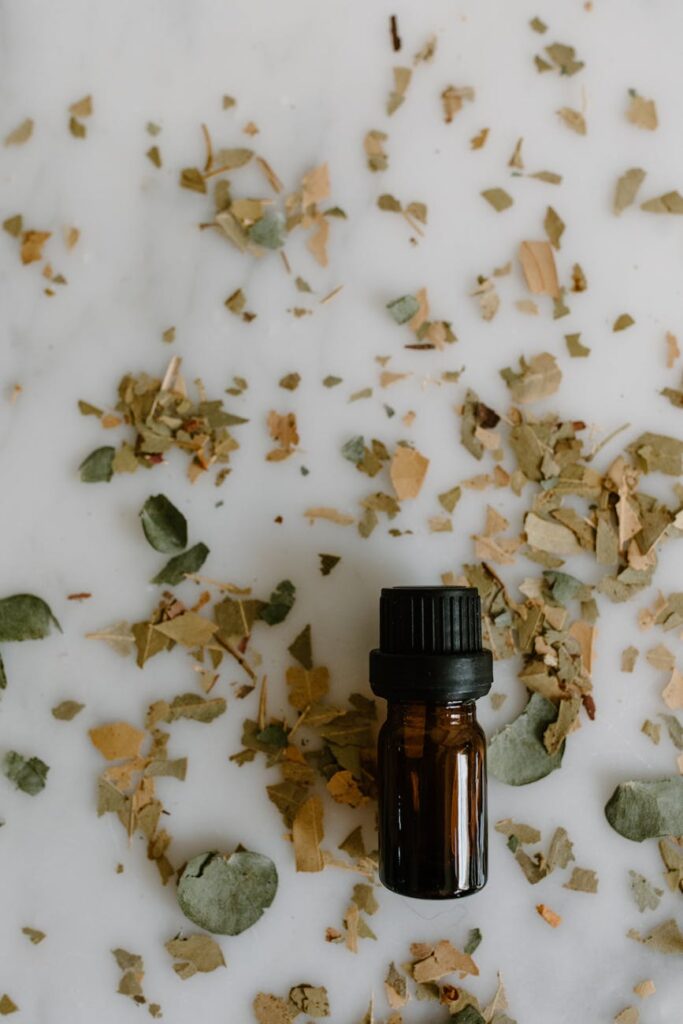
To ensure the longevity of neroli essential oil, store it in a cool, dark place away from direct sunlight and heat sources. Proper storage helps maintain its quality and potency.
Storage and Shelf Life
Neroli essential oil has a relatively long shelf life when stored correctly. Typically, it can last for 2 to 3 years if kept in a dark glass bottle away from light and heat. Proper sealing and storage conditions are essential to preserve its aromatic and therapeutic properties.
Tips for Storage:
- Use dark glass containers to protect the oil from light.
- Keep the oil in a cool, dry place.
- Ensure the bottle is tightly sealed after each use to prevent oxidation.
Frequently Asked Questions
1. Can neroli essential oil be used for aromatherapy?
Yes, neroli essential oil is widely used in aromatherapy for its calming and uplifting properties.
2. Is neroli oil safe for sensitive skin?
When diluted with a carrier oil, neroli oil is generally safe for sensitive skin. However, conducting a patch test is recommended.
3. How can I incorporate neroli oil into my skincare routine?
Neroli oil can be added to creams, lotions, or carrier oils for topical application. It is often used to improve skin tone and texture.
4. Does neroli essential oil help with anxiety?
Many users report that the calming effects of neroli oil may help reduce feelings of anxiety and promote relaxation.
5. Can I use neroli oil during pregnancy?
Pregnant individuals should consult a healthcare professional before using neroli essential oil, as safety can vary.
Conclusion
Neroli essential oil is a remarkable natural product with a rich history and an array of potential health benefits. From enhancing mood to supporting skin health, its versatility makes it a valuable addition to various wellness practices. As with any essential oil, it is crucial to use neroli oil thoughtfully and responsibly, considering safety precautions and individual sensitivities. Whether through aromatherapy, skincare, or relaxation techniques, neroli essential oil continues to be a cherished choice for those seeking natural support in their well-being journey.