
Health Benefits of Niaouli Oil Safety
Introduction
Niaouli oil, derived from the leaves of the Melaleuca quinquenervia tree native to Australia and the surrounding regions, is gaining recognition in the world of essential oils and aromatherapy. Known for its refreshing and medicinal scent, niaouli oil is often utilized for its diverse health benefits and properties. However, like any essential oil, it is crucial to understand its safety profile for effective and responsible use. This article will explore the safety aspects, benefits, common applications, and storage guidelines of niaouli oil.
What Is Niaouli Oil Safety?
Niaouli oil is extracted through steam distillation from the leaves of the Melaleuca quinquenervia tree, also known as the broad-leaved tea tree. The oil is characterized by its pale yellow to colorless hue and a camphoraceous aroma.
When discussing niaouli oil safety, it is essential to consider several factors, including the oil’s composition, potential allergens, and recommended usage guidelines. Essential oils, while potent and beneficial, can also pose risks if used improperly. Understanding niaouli oil’s safety profile ensures that users can harness its benefits while minimizing adverse effects.
Key Benefits and Properties
Niaouli oil boasts a multitude of properties that contribute to its popularity in aromatherapy and natural wellness practices.
Antimicrobial Properties
One of the most notable features of niaouli oil is its antimicrobial properties. Research suggests that the oil exhibits activity against various bacteria, fungi, and viruses, making it a valuable addition to natural health regimens.
Respiratory Support
Niaouli oil is often used for its respiratory benefits. It is thought to help clear the airways and promote easier breathing. The oil’s camphoraceous aroma may assist in alleviating congestion, making it a common ingredient in chest rubs and inhalants.
Skin Care Benefits
Due to its antiseptic and anti-inflammatory properties, niaouli oil is frequently included in skincare products. It is believed to help with minor cuts, scrapes, and acne, promoting healing while reducing inflammation.
Mood Enhancement
The invigorating scent of niaouli oil may have uplifting effects on mood. It is often used in aromatherapy blends to enhance mental clarity, reduce stress, and promote emotional balance.
Common Uses
Niaouli oil can be incorporated into various wellness practices, including:
- Topical Application: Diluted with a carrier oil, niaouli oil can be applied directly to the skin for its antiseptic and soothing properties.
- Inhalation: Niaouli oil can be used in steam inhalation or diffusers to promote respiratory health and mental clarity.
- Bath Additive: A few drops of niaouli oil can be added to bathwater for a relaxing and aromatic experience.
- Lavender: This combination is popular for promoting relaxation and reducing stress.
- Peppermint: Blending niaouli with peppermint can create a refreshing and invigorating aroma, perfect for mental alertness.
- Tea Tree: Pairing with tea tree oil can amplify the antimicrobial properties, making it effective for skincare applications.
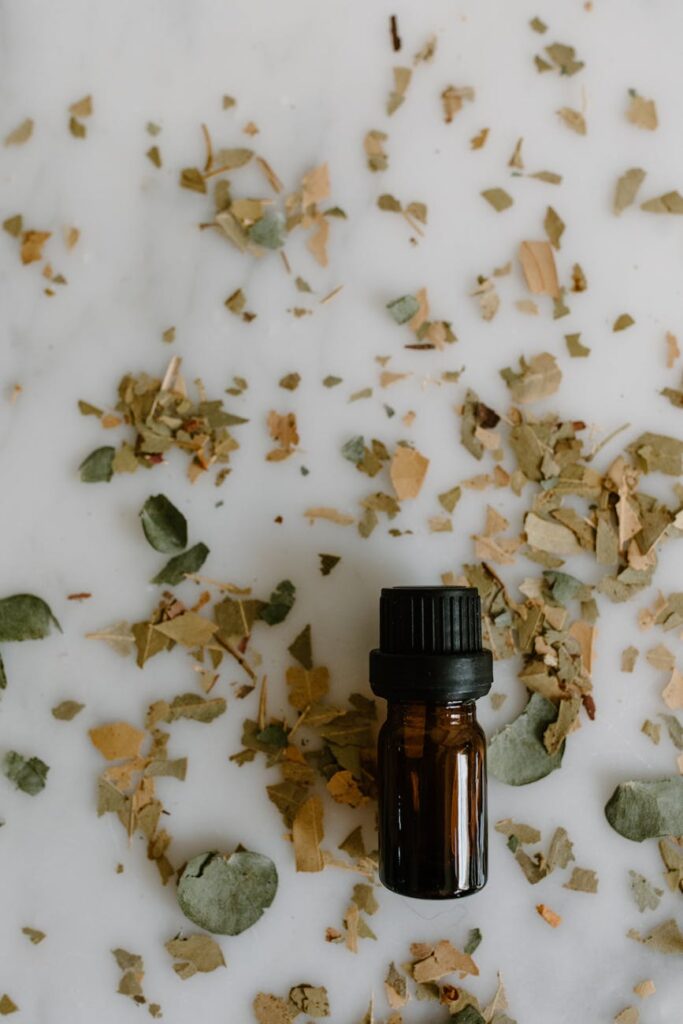
- Container: Store niaouli oil in a dark glass bottle to protect it from light degradation.
- Temperature: Keep the oil in a cool, dry place away from direct sunlight and heat sources, which can alter its chemical composition.
- Shelf Life: Generally, niaouli oil has a shelf life of about two to three years when stored correctly. However, users should check for any changes in smell, consistency, or color before use, as these can indicate spoilage.
Aromatherapy Applications
In aromatherapy, niaouli oil is often blended with other essential oils to enhance its benefits and create a harmonious scent profile. Common combinations include:
Using a diffuser, inhaler, or simply adding niaouli oil to a warm bath can allow individuals to experience its benefits fully.
Safety Considerations
While niaouli oil is generally regarded as safe when used appropriately, certain precautions should be observed:
Skin Sensitivity
Before using niaouli oil topically, it is advisable to conduct a patch test to check for allergic reactions or skin sensitivities. Diluting niaouli oil with a carrier oil, such as jojoba or coconut oil, is essential when applying it to the skin.
Pregnancy and Nursing
Pregnant or nursing individuals should consult a qualified healthcare professional before using niaouli oil, as the effects on pregnancy and breastfeeding are not well-documented.
Children
Niaouli oil is not recommended for children under the age of two. For older children, it should be used with caution and only in diluted forms.
Inhalation Safety
When using niaouli oil in a diffuser or for inhalation, ensure that the space is well-ventilated. Overexposure to essential oils in closed environments can lead to headaches or respiratory irritation.
Interactions with Medications
As with any essential oil, individuals on medication or with pre-existing health conditions should consult with a healthcare provider before using niaouli oil.
Storage and Shelf Life
Proper storage of niaouli oil is vital to maintain its potency and effectiveness. Here are some tips:
Frequently Asked Questions
1. Can niaouli oil be ingested?
Ingestion of essential oils should be approached with caution and is generally not recommended without the guidance of a qualified healthcare professional.
2. Is niaouli oil safe for pets?
While some essential oils can be harmful to pets, niaouli oil is less commonly mentioned. However, it is best to consult a veterinarian before using essential oils around animals.
3. How do I dilute niaouli oil for topical use?
A common dilution ratio is to mix 1-2 drops of niaouli oil with 1 teaspoon of carrier oil for safe topical application. Always adjust based on skin sensitivity.
4. Can niaouli oil help with cold symptoms?
While niaouli oil may support respiratory health, it should not be considered a substitute for medical treatment for cold symptoms. It can be used as a complementary measure.
5. Where can I purchase high-quality niaouli oil?
Look for reputable suppliers that provide essential oils with clear labeling and quality assurance. Certified organic and therapeutic-grade oils are often preferred.
Conclusion
Niaouli oil is a versatile essential oil that offers several potential benefits, particularly for respiratory support, skin care, and mood enhancement. While it is generally considered safe, understanding its safety profile and adhering to recommended practices is crucial for effective and responsible use. By incorporating niaouli oil into your wellness routine thoughtfully, you can enjoy its many advantages while minimizing risks. Always consult with a knowledgeable source when in doubt about essential oil usage.