
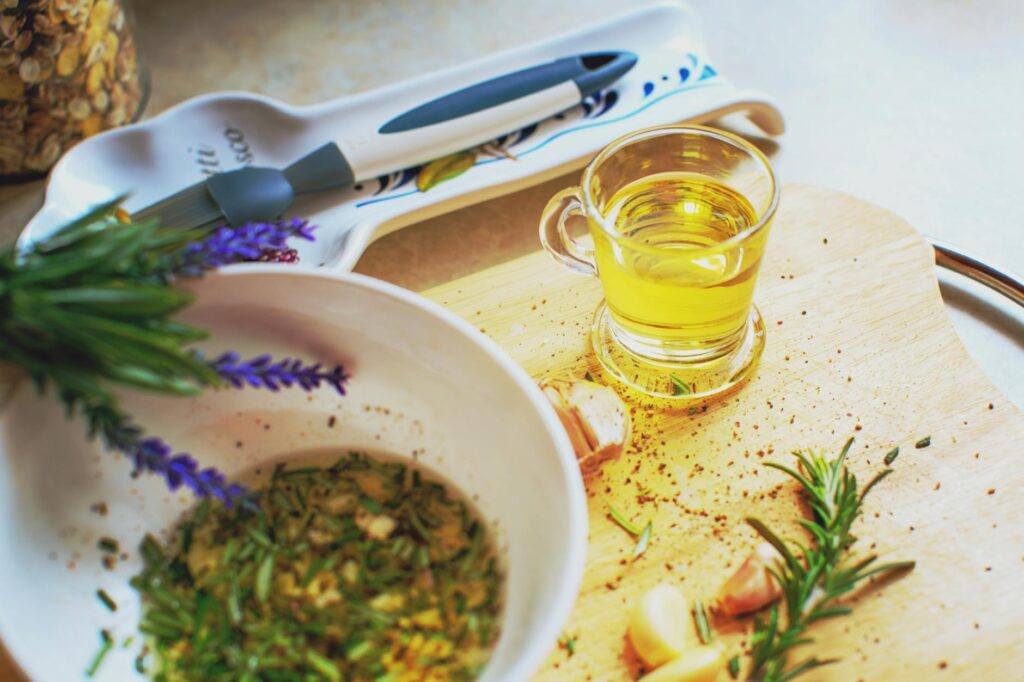
Health Benefits of Olive Oil
Introduction
Olive oil, a staple of Mediterranean cuisine, has been celebrated for centuries not only for its flavor but also for its numerous health benefits. Extracted from the fruit of the olive tree (Olea europaea), this oil is rich in monounsaturated fats, antioxidants, and anti-inflammatory compounds. With a growing body of research highlighting its potential health benefits, olive oil has gained recognition beyond culinary uses, positioning itself as an essential component of a healthy lifestyle. This article will explore the properties, uses, and potential benefits of olive oil, as well as considerations for its safe storage and use.
What Is Olive Oil?
Olive oil is produced by pressing whole olives to extract their oil. The quality and flavor can vary significantly based on the type of olives used, the cultivation methods, and the extraction processes. There are several grades of olive oil, including:
- Extra Virgin Olive Oil (EVOO): The highest quality, made from cold-pressed olives without the use of solvents or heat. It retains the most nutrients and flavor.
- Virgin Olive Oil: Also cold-pressed but has slightly lower quality and acidity than EVOO.
- Refined Olive Oil: Made from virgin olive oil that has been refined to remove strong flavors and acidity, resulting in a lighter taste but fewer antioxidants.
- Olive Pomace Oil: Extracted from the remains of olives after the first press; it is often blended with virgin olive oil to improve flavor.
- Cooking: Olive oil can be used for sautéing, roasting, and frying. However, it’s best to use it for low to medium-heat cooking to preserve its health properties.
- Dressings and Marinades: It serves as an excellent base for salad dressings and marinades, providing flavor and health benefits.
- Finishing Oil: Drizzling extra virgin olive oil over cooked dishes adds flavor and enhances nutritional value.
- Dilution: Mix a few drops of essential oil with a carrier oil like olive oil before applying it to the skin.
- Massage Oil: Olive oil can be blended with essential oils to create a soothing massage oil, promoting relaxation and skin nourishment.
- Diffusion: Although olive oil is not used in diffusers, it can be part of a topical application that complements aromatherapy practices.
- Dark and Cool Place: Olive oil should be stored in a dark, cool place away from heat and light to prevent oxidation and rancidity.
- Sealed Containers: Keep the oil in its original container or a dark glass bottle with a tight seal to preserve its properties.
- Unopened: A bottle of high-quality olive oil can last for up to two years when stored properly.
- Opened: Once opened, it is best to use the olive oil within six months to a year for optimal taste and health benefits.
The distinct flavor profile and health benefits of olive oil make it a versatile ingredient in cooking, dressings, marinades, and more.
Key Benefits and Properties
Olive oil boasts an array of beneficial properties that contribute to its reputation as a healthful fat:
1. Rich in Healthy Fats
Olive oil is predominantly composed of monounsaturated fatty acids (about 73%), particularly oleic acid. This type of fat is known for its heart-healthy properties, potentially reducing the risk of cardiovascular disease.
2. Antioxidant Properties
Extra virgin olive oil contains a unique blend of antioxidants, including vitamin E and polyphenols. These compounds help combat oxidative stress in the body, which is linked to various chronic diseases.
3. Anti-Inflammatory Effects
The polyphenols present in olive oil, such as oleocanthal, have been shown to have anti-inflammatory effects similar to those of ibuprofen. Regular consumption of olive oil may help reduce inflammation in the body.
4. Heart Health
Studies suggest that olive oil can improve heart health by lowering LDL (bad cholesterol) levels while increasing HDL (good cholesterol). This balance is essential for reducing the risk of atherosclerosis and other cardiovascular issues.
5. Potential Cancer-Fighting Properties
Some research indicates that olive oil may have protective effects against certain types of cancer, particularly breast and colorectal cancer. The antioxidants in olive oil may help mitigate oxidative damage that can lead to cancer cell formation.
6. Brain Health
The consumption of olive oil has been linked to improved cognitive function and may reduce the risk of neurodegenerative diseases like Alzheimer’s. The healthy fats in olive oil are thought to support brain health.
Common Uses
The uses of olive oil extend far beyond the kitchen:
1. Culinary Uses
2. Skincare
Olive oil is often used in skincare products due to its moisturizing properties. It can be applied directly to the skin or used as an ingredient in lotions and creams.
3. Hair Care
Olive oil can nourish and hydrate the hair, making it a popular choice for hair masks and conditioners.
4. Soap Making
Due to its emollient properties, olive oil is a popular ingredient in handmade soaps, providing a gentle cleansing effect.
Aromatherapy Applications
While olive oil is not typically used as an essential oil in aromatherapy, it can serve as a carrier oil for diluting essential oils. This is valuable for topical applications, allowing for safe and effective use. Here are some tips for using olive oil in aromatherapy:
Safety Considerations
While olive oil is generally safe for consumption and topical use, there are a few considerations to keep in mind:
1. Allergies
Though rare, some individuals may have an allergy to olive oil. If you experience any adverse reactions, discontinue use and consult a healthcare professional.
2. Quality
The quality of olive oil can vary significantly. Look for high-quality extra virgin olive oil that is certified and has a harvest date on the label to ensure you are getting a product with beneficial properties.
3. Caloric Content
Although olive oil is a healthy fat, it is still calorie-dense. Moderation is essential, especially for those managing their weight.
Storage and Shelf Life
Proper storage is crucial to maintaining the quality and health benefits of olive oil:
1. Storage Conditions
2. Shelf Life
Frequently Asked Questions
1. Is all olive oil the same?
No, olive oil varies in quality, flavor, and health benefits. Extra virgin olive oil is the highest quality, while other types may have undergone refining processes that reduce their nutritional value.
2. Can olive oil be used for frying?
While olive oil can be used for frying, it’s best suited for low to medium heat. Extra virgin olive oil has a lower smoke point than some other oils, which means it can lose its beneficial properties if overheated.
3. How can I tell if olive oil has gone bad?
Rancid olive oil may have a musty or off odor and a stale taste. If the oil smells or tastes unusual, it is best to discard it.
4. Is olive oil suitable for people with dietary restrictions?
Olive oil is generally suitable for various dietary lifestyles, including vegetarian, vegan, and gluten-free diets. However, individuals with specific allergies should exercise caution.
5. Can I use olive oil on my skin?
Yes, olive oil can be used topically to moisturize the skin. However, those with oily or acne-prone skin should be cautious, as it may exacerbate their condition.
Conclusion
Olive oil is more than just a culinary delight; it is a source of numerous health benefits that can contribute to overall well-being. Its rich composition of healthy fats, antioxidants, and anti-inflammatory compounds makes it a valuable addition to a balanced diet. Whether used in cooking, skincare, or as a carrier oil in aromatherapy, olive oil’s versatility and healthful properties are worth recognizing and incorporating into daily life. As always, it is essential to choose high-quality olive oil and practice moderation to fully enjoy its benefits.