
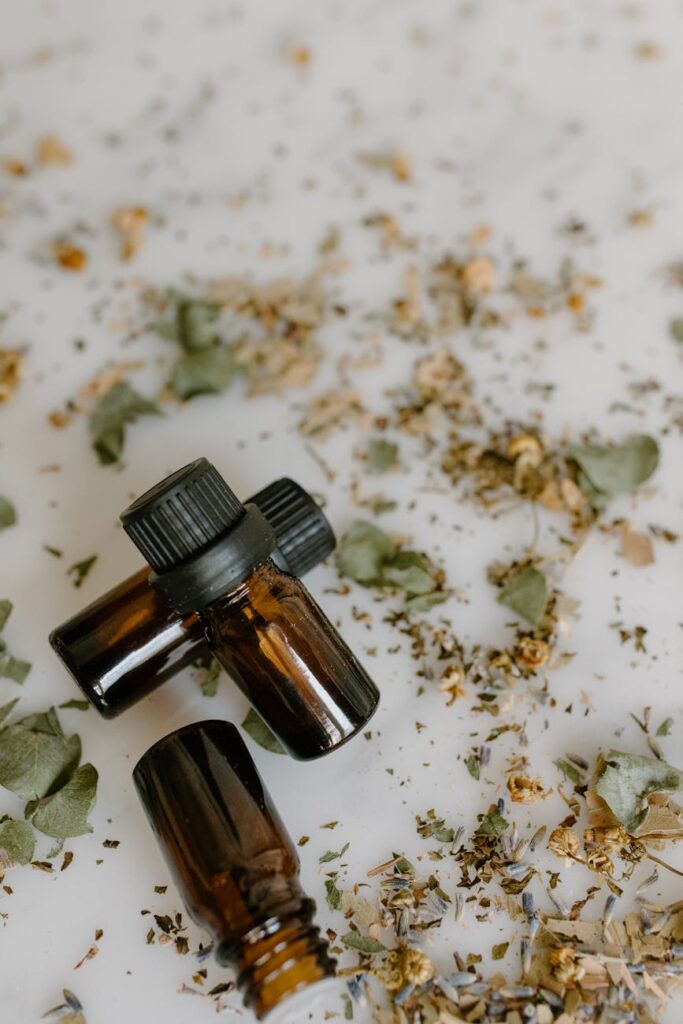
Health Benefits of Peppermint Essential Oil
Introduction
Peppermint essential oil, a versatile and widely used oil in aromatherapy, has garnered significant attention for its refreshing aroma and potential health benefits. Extracted from the leaves of the Mentha × piperita plant, this essential oil has a long history of use in various cultures for both culinary and therapeutic purposes. This article aims to delve into the properties, benefits, and applications of peppermint essential oil, providing a comprehensive overview for those interested in its potential uses.
What Is Peppermint Essential Oil?
Peppermint essential oil is derived from the steam distillation of the leaves of the peppermint plant, a hybrid species created from the cross between watermint and spearmint. The oil is characterized by its strong, fresh, and minty fragrance, which is both invigorating and soothing. Peppermint oil contains a variety of chemical constituents, with menthol and menthone being the most prominent, contributing to its distinctive scent and therapeutic properties.
Key Benefits and Properties
Peppermint essential oil is known for its numerous benefits, which can be attributed to its unique chemical composition. Some of the key properties include:
1. Analgesic Effects
Menthol, a primary component of peppermint oil, has been studied for its analgesic properties, which may help alleviate minor aches and pains when applied topically.
2. Digestive Support
The soothing properties of peppermint oil are often associated with digestive health. It is believed to help ease symptoms of indigestion and bloating, promoting an overall sense of comfort.
3. Antimicrobial Activity
Research suggests that peppermint essential oil possesses antimicrobial properties, which may help inhibit the growth of certain bacteria and fungi, making it a popular choice for natural cleaning products.
4. Respiratory Relief
The invigorating scent of peppermint oil is often used to clear the airways, making it beneficial for those experiencing respiratory discomfort. Its cooling effect can provide relief from congestion and sinus pressure.
5. Mood Enhancement
The aroma of peppermint essential oil is believed to have mood-lifting properties. Inhalation of the oil may help enhance mental clarity and focus, making it a popular choice for those needing an energy boost.
Common Uses
Peppermint essential oil can be utilized in various forms, including:
1. Topical Applications
When diluted with a carrier oil, peppermint oil can be applied to the skin to help relieve muscle tension and headaches. It is essential to perform a patch test prior to widespread use to check for any adverse reactions.
2. Aromatherapy
Inhalation of peppermint oil through diffusers or steam inhalation is commonly practiced to promote relaxation and mental clarity. The refreshing scent can also be a great addition to meditation and yoga practices.
3. Culinary Uses
In cooking, peppermint oil can add a burst of flavor to a variety of dishes, beverages, and desserts. However, it should be used sparingly due to its potent concentration.
4. Natural Cleaning Products
Thanks to its antimicrobial properties, peppermint essential oil is often included in homemade cleaning solutions, where it can help disinfect surfaces while leaving a refreshing scent.
Aromatherapy Applications
Peppermint essential oil is a staple in aromatherapy. Its invigorating aroma is often used in various settings to create a refreshing atmosphere. Here are some common applications:
1. Diffusion
Using an essential oil diffuser, peppermint oil can be spread throughout a room, providing an uplifting and energizing environment. This is particularly beneficial in workspaces or study areas.
2. Inhalation
Direct inhalation of peppermint essential oil can provide immediate relief from feelings of fatigue or sluggishness. Inhaling the scent directly from the bottle or via cotton balls can stimulate the senses.
3. Massage
Incorporating peppermint oil into massage blends can enhance the soothing experience. Its cooling sensation can help ease muscle tension and promote relaxation.
4. Baths
Adding peppermint oil to bathwater can create a refreshing and revitalizing soak. Dilution in a carrier oil or bath additive is recommended to avoid skin irritation.
Safety Considerations
While peppermint essential oil is generally considered safe for use, there are important safety considerations to keep in mind:
1. Dilution
Peppermint oil is highly concentrated and should be diluted with a carrier oil before topical application. A typical dilution ratio is 2-3 drops of essential oil per teaspoon of carrier oil.
2. Skin Sensitivity
Perform a patch test on a small area of skin before applying peppermint oil more broadly, as some individuals may be sensitive to its strong compounds.
3. Pregnancy and Nursing
Pregnant or nursing individuals should consult a healthcare provider before using peppermint essential oil, as its safety during these periods has not been conclusively established.
4. Children
Peppermint oil is not recommended for use in children under 2 years of age. For older children, it should be used with caution and always diluted.
5. Medical Conditions
Individuals with certain medical conditions, especially those involving the respiratory system, should consult a healthcare professional before using peppermint essential oil.
Storage and Shelf Life
To maintain the quality and efficacy of peppermint essential oil, proper storage is essential:
1. Storage Conditions
Keep peppermint essential oil in a cool, dark place, away from direct sunlight and heat sources. A cabinet or drawer is often ideal.
2. Container Type
Store the oil in a dark glass bottle to protect it from light degradation. Clear or plastic containers can lead to a faster loss of potency.
3. Shelf Life
When stored correctly, peppermint essential oil can last for several years, typically around 3-5 years. However, its potency may gradually diminish over time.
Frequently Asked Questions
1. Can peppermint essential oil be ingested?
While some individuals use peppermint oil in culinary applications, ingestion should be approached with caution. Always consult a healthcare professional before consuming essential oils.
2. Is peppermint essential oil safe for pets?
Certain essential oils can be harmful to pets. It is advisable to consult a veterinarian before using peppermint oil around animals.
3. What is the difference between peppermint oil and spearmint oil?
While both oils come from mint plants, peppermint oil has a higher concentration of menthol, giving it a stronger aroma and cooling effect compared to spearmint oil.
4. Can peppermint essential oil help with headaches?
Many people believe that the cooling effect of peppermint oil may help alleviate headache symptoms when applied to the temples or inhaled.
5. Where can I purchase high-quality peppermint essential oil?
High-quality peppermint essential oil can be found at health food stores, specialty shops, and online retailers. Always look for oils that are labeled as 100% pure and therapeutic grade.
In conclusion, peppermint essential oil is a multifaceted oil with a variety of potential benefits and applications. Its invigorating scent and therapeutic properties make it a valuable addition to any essential oil collection. However, as with all essential oils, it is crucial to use peppermint oil safely and responsibly to fully appreciate its benefits.